Personal Use
This isn’t kitchen turmeric. This is Turmeric as Temple—whole, golden, and fierce with purpose. Stillpoint’s Curcuma longa CO₂-total extract opens with an unmistakable hit of sacred root: earthy, dry, and bitter-warm with a resinous depth that feels almost ancient. The scent moves like medicine—it doesn’t just rise to the nose; it drops into the gut. You can smell the blood-cleansing fire, the digestive wisdom, the quiet discipline of a root that’s been used for thousands of years to clear, protect, and restore.
This total CO₂ extract is pressed from dried organic rhizomes using supercritical carbon dioxide to capture a wide-spectrum matrix of the plant’s chemistry—especially the rich blend of ar-turmerone, α- and β-turmerone, α-zingiberene, and sesquiphellandrene. Unlike steam distillation, which isolates the lighter volatiles, this extract holds the soul of the root—resins, lipids, and a trace of curcumin for added complexity and depth.
What sets this one apart:
-
It’s a total CO₂, not a select—so it carries more of the heavier, bioactive fractions and aromatic nuance
-
It’s thicker, more resinous, and far more grounding than distilled turmeric
-
The smell alone feels like a ceremony of release and renewal
Turmeric CO₂ is a bitter medicine—not in a harsh way, but in a way that teaches truth. It smells like the kind of fire that burns off illusion, leaving only what’s real.
Therapeutic Applications
Therapeutic Applications
1. Anti-inflammatory
This CO₂ extract is rich in ar-turmerone, α- and β-turmerone, which have been studied for their ability to modulate inflammation. Traditionally used for joint pain, soft tissue swelling, and inflammatory skin conditions, this extract may help reduce heat and stagnation in the physical body.
This CO₂ extract is rich in ar-turmerone, α- and β-turmerone, which have been studied for their ability to modulate inflammation. Traditionally used for joint pain, soft tissue swelling, and inflammatory skin conditions, this extract may help reduce heat and stagnation in the physical body.
2. Analgesic + Anti-rheumatic
Turmeric root has long been valued for soothing chronic aches and supporting conditions like arthritis, rheumatism, and musculoskeletal discomfort. The warming, grounding quality of this extract may help ease pain, especially when applied in targeted topical formulas.
Turmeric root has long been valued for soothing chronic aches and supporting conditions like arthritis, rheumatism, and musculoskeletal discomfort. The warming, grounding quality of this extract may help ease pain, especially when applied in targeted topical formulas.
3. Digestive stimulant + Carminative
Used for centuries to support digestion, this extract may help with bloating, gas, sluggish digestion, and general gut dysfunction. Its bitterness and pungency work synergistically to awaken digestive fire and support nutrient absorption.
Used for centuries to support digestion, this extract may help with bloating, gas, sluggish digestion, and general gut dysfunction. Its bitterness and pungency work synergistically to awaken digestive fire and support nutrient absorption.
4. Hepatoprotective + Depurative
Traditionally seen as a liver ally, turmeric is known to assist with detoxification, bile production, and systemic cleansing. The turmerones in this extract may support healthy liver function and promote the elimination of metabolic waste.
Traditionally seen as a liver ally, turmeric is known to assist with detoxification, bile production, and systemic cleansing. The turmerones in this extract may support healthy liver function and promote the elimination of metabolic waste.
5. Antioxidant + Skin support
This extract contains lipophilic fractions that offer protection against oxidative stress. When used topically, it may support skin healing, reduce inflammatory skin issues, and help protect the skin barrier—especially when combined with wound-healing or regenerative oils.
This extract contains lipophilic fractions that offer protection against oxidative stress. When used topically, it may support skin healing, reduce inflammatory skin issues, and help protect the skin barrier—especially when combined with wound-healing or regenerative oils.
6. Antifungal (especially dermatophytes)
Ar-turmerone has demonstrated antifungal activity in vitro, particularly against dermatophytes (fungi that cause athlete’s foot and similar conditions). It may be included in supportive blends for foot, nail, or skin care.
Ar-turmerone has demonstrated antifungal activity in vitro, particularly against dermatophytes (fungi that cause athlete’s foot and similar conditions). It may be included in supportive blends for foot, nail, or skin care.
7. Bioavailability enhancer
Turmerones have been shown to increase the absorption of curcumin, making this extract a valuable synergist in formulas designed to support whole-body wellness and inflammation regulation.
Turmerones have been shown to increase the absorption of curcumin, making this extract a valuable synergist in formulas designed to support whole-body wellness and inflammation regulation.
Traditional Use
Curcuma longa has been used as a whole root medicine for over 4,000 years. In Ayurvedic medicine, it was taken internally as a powdered rhizome to support digestion, liver function, menstrual health, blood purification, and wound healing. Applied topically, turmeric paste was used to cleanse wounds, soothe skin conditions, and reduce inflammation in joints and muscles.
In Indian and Southeast Asian cultures, turmeric was (and still is) an essential part of postpartum care—taken in warm milk, herbal decoctions, or Jamu to cleanse the womb, reduce internal swelling, and rebuild strength. It was used to support recovery after birth, surgery, or long illness.
The root was also a key ingredient in ritual bathing preparations—applied as a paste to the skin to clear impurities and mark thresholds of transformation. Brides and grooms were anointed in turmeric as a blessing for fertility, vitality, and protection.
In Traditional Chinese Medicine (TCM), the dried root (called jiang huang) was decocted to invigorate the blood, reduce pain, and break up stagnation from trauma or injury.
Turmeric root was also used:
-
As a natural dye for cloth, food, and ritual items
-
In culinary preparations to support digestion, especially in rich or heavy meals
-
As a folk remedy for colds, coughs, ulcers, and parasites across various global cultures
-
Burned in cleansing rituals or carried for energetic protection
Wherever turmeric grew, it was considered both medicine and magic—an everyday healer and a sacred tool.
Botany
Curcuma longa is a perennial herbaceous plant in the Zingiberaceae family, closely related to ginger and galangal. Native to South and Southeast Asia, especially India and Indonesia, turmeric has been cultivated for over 4,000 years as food, medicine, dye, and sacred offering. It thrives in warm, humid tropical climates where its thick rhizomes grow underground—accumulating bitter, golden fire in every node.
Above ground, the plant produces lush, broad green leaves and pale yellow flowers enclosed in pinkish bracts, but the real power lives below—in the root, where heat and bitterness converge.
Botanical Name: Curcuma longa
Family: Zingiberaceae
Common Names: Turmeric, Haldi, Haridra, Indian Saffron
Plant Type: Perennial rhizomatous herb
Part Used for Extraction: Dried rhizomes
Growth Habit: Upright leafy shoots arising from horizontal underground rhizomes
Flowering Season: Late spring to early summer in tropical climates
Harvest Time for CO₂ Extraction: After full rhizome maturity, typically 7–10 months post-planting
Physical Characteristics:
Family: Zingiberaceae
Common Names: Turmeric, Haldi, Haridra, Indian Saffron
Plant Type: Perennial rhizomatous herb
Part Used for Extraction: Dried rhizomes
Growth Habit: Upright leafy shoots arising from horizontal underground rhizomes
Flowering Season: Late spring to early summer in tropical climates
Harvest Time for CO₂ Extraction: After full rhizome maturity, typically 7–10 months post-planting
Physical Characteristics:
-
Leaves: Broad, lanceolate, bright to dark green, sometimes with reddish stems
-
Flowers: Pale yellow to white, appearing on a central spike with pinkish-green bracts
-
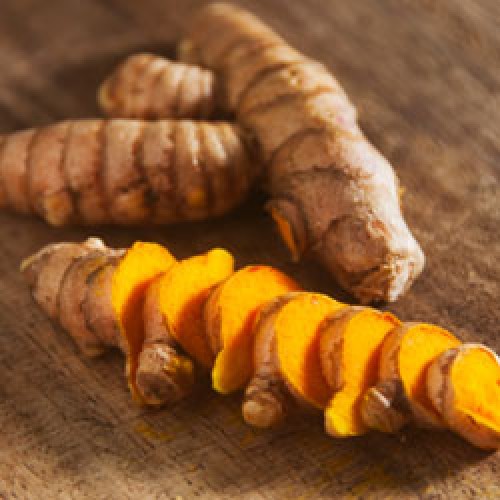
Rhizomes: Thick, branched, golden-orange inside with a waxy brown skin, strongly aromatic and bitter
Native Habitat + Growth Conditions:
Native To: India, Sri Lanka, Indonesia
Preferred Soil: Fertile, loamy, well-drained soil rich in organic matter
Sunlight: Partial shade to full sun
Climate: Warm, humid tropical to subtropical climates with regular monsoon or irrigation
Ecological Notes: Grown in rotation with legumes or grains to enrich soil. Traditionally propagated through rhizome division.
Native To: India, Sri Lanka, Indonesia
Preferred Soil: Fertile, loamy, well-drained soil rich in organic matter
Sunlight: Partial shade to full sun
Climate: Warm, humid tropical to subtropical climates with regular monsoon or irrigation
Ecological Notes: Grown in rotation with legumes or grains to enrich soil. Traditionally propagated through rhizome division.
Energetic Botanical Signature
Turmeric doesn’t grow for show. It grows for function, fire, and follow-through. Hidden underground, it stores heat—not for destruction, but for purification. Her leaves are soft, her flowers modest, but her medicine lives in the root: a bold, bitter resilience that refuses to rot.
She grows in moist, hot earth, thriving where decay is abundant and transformation is constant. She teaches that what is buried is not lost—it is alchemizing.
Turmeric reminds us:
-
Healing is not always gentle. Sometimes it’s gritty.
-
You can be bitter and still be medicine.
-
Real purification starts in the dark, in the gut, in the root.
She is not here to soothe you—she’s here to fortify you.