
Every order ships USPS Priority — $10.95 flat-rate USPS Priority shipping on all US orders, no minimum. Free shipping on domestic orders over $299.
Welcome to Stillpoint. Subscribe to our newsletter for sale details and new-product news · One discount code per order · Every order is hand-poured, packed with care in ceremony, and shipped as we receive it.

Scotch (Scots) Pine Essential Oil | Breath, Strength, Energetic Clarity

Pinus sylvestris

  • Scotch (Scots)  Pine Essential Oil | Breath, Strength, Energetic Clarity

Average Rating: (see reviews)

$10.00 Ex Tax: $10.00

Essential Facts

  • Latin Name: Pinus sylvestris
  • Country of Origin: Andorra
  • Botanical Family: Pinaceae
  • Plant Parts: Needles, Twigs/Branches
  • Note Classification: Top
  • Cultivation Method: Distiller is Certified Organic
  • Method of Extraction: Steam or Hydro Distillation
  • Extraction Date: July 2025
  • Approx. Shelf Life: 5 years
  • Chemical Family: Monoterpenes
  • Batch: scotchpn
  • Aroma: Balsamic, Earthy, Fresh, Piney, Warm, Woody
  • Energetic Applications: 2nd Chakra - relationships, creation energy, 4th Chakra - unconditional love, 5th Chakra - speaking truth, Balancing, Clarity, Expansive, Protective, Transformative
  • Therapeutic Properties: Analgesic, Anti-bacterial, Anti-fungal, Anti-infectious, Anti-inflammatory, Anti-rheumatic, Anti-spasmodic, Decongestant, Expectorant, Immuno-stimulant, Rubefacient, Warming
Notes & Use

Personal Use

(Pinus sylvestris, needle and twig)

Clean, sharp, and unmistakably coniferous—Scotch Pine essential oil opens the breath with immediate clarity. It carries the fresh, resinous bite of crushed needles with a woody, slightly peppery undertone from the twigs. The scent is crisp without being cold, grounding without being heavy.

Stillpoint’s Scotch Pine essential oil is steam distilled from the freshly harvested needles and twigs of Pinus sylvestris trees. This wild-growing conifer thrives in colder, high-altitude regions, and its oil reflects that hardy environment—clear, fortifying, and lung-supportive.
Scotch Pine offers both structural and energetic scaffolding. Its chemistry supports the respiratory tract, the lymphatic system, and adrenal tone—while its aroma provides a sense of uprightness and alert calm.

Respiratory Support + Lung Tonic
With its high monoterpene content—particularly alpha- and beta-pinene—Scotch Pine helps open the lungs, ease coughs, and support mucous membrane tone. It may be used in diffuser blends or chest rubs for colds, bronchitis, or general congestion.

Adrenal and Circulatory Support
Scotch Pine is considered a tonic for the adrenal glands and may assist in fatigue recovery, particularly in cases of burnout or chronic stress. It also supports peripheral circulation and may help ease cold extremities.

Lymphatic Movement + Detox Support
Topical application in massage oils may assist with stagnant lymph, fluid retention, or general detox support, especially when used with dry brushing or contrast hydrotherapy.

Musculoskeletal Comfort
Used in warming or anti-inflammatory massage blends, Scotch Pine may help ease minor joint and muscle aches—especially where inflammation or cold dampness is involved.

Traditional Use

Scotch Pine (Pinus sylvestris) has a long history in traditional herbal and folk medicine across Northern and Eastern Europe, where it was widely used for its warming, stimulating, and clearing properties. Practitioners used various parts of the tree—needles, twigs, resin, and bark—in external applications, steams, infusions, and baths.

Topical Use for Aches, Stiffness, and Skin Infections
Warm compresses and liniments made from pine needle infusions or decoctions were traditionally applied to sore muscles, rheumatic joints, and stiff limbs—particularly in cold, damp conditions. Pine resin was also used in salves to draw out splinters and support healing of minor wounds, boils, and skin infections.

Steam Inhalations and Baths for Respiratory Congestion
Scotch Pine was commonly added to steam pots or inhaled through freshly crushed needles to relieve cough, sinus pressure, and thick phlegm. In traditional households, pine-scented steam baths and sauna infusions were used to open the lungs and promote sweating during fevers or respiratory illness.

Infusions and Decoctions for Urinary Tract and Rheumatic Conditions
In some traditions, infusions of the young shoots or needles were taken internally to support kidney and urinary function, though this use has largely fallen out of practice. Decoctions were also used to help “move dampness” and support the body’s detoxification pathways, especially in cases of chronic stiffness or sluggish elimination.

Strengthening Tonic in Convalescence
Scotch Pine preparations—especially invigorating baths—were used during recovery from illness to help reawaken vitality. In post-fever care or long convalescence, pine was considered a stimulating remedy to “strengthen the blood” and rebuild stamina in weakened individuals.

Botany

Pinus sylvestris, commonly known as Scotch Pine or Scots Pine, is a hardy, evergreen conifer belonging to the Pinaceae family. It is one of the most widely distributed pine species in the world, native to Europe and parts of Asia. Known for its tall, upright growth and striking reddish bark, this species thrives in cold, dry climates and nutrient-poor soils.

Scotch Pine is a fast-growing, long-lived tree valued for both its timber and its essential oil. Its aromatic profile comes primarily from its needles and twigs, which are rich in monoterpenes and resinous compounds that protect the tree from pests and harsh environmental conditions.

Botanical Name: Pinus sylvestris
Family: Pinaceae
Common Names: Scotch Pine, Scots Pine
Plant Type: Evergreen coniferous tree
Part Used for Distillation: Needles and twigs
Growth Habit: Tall, straight-trunked tree, reaching up to 25–40 meters in height
Flowering Season: Late spring to early summer (May–June)
Harvest Time for Distillation: Late spring to summer, when resin content in needles is high

Physical Characteristics:
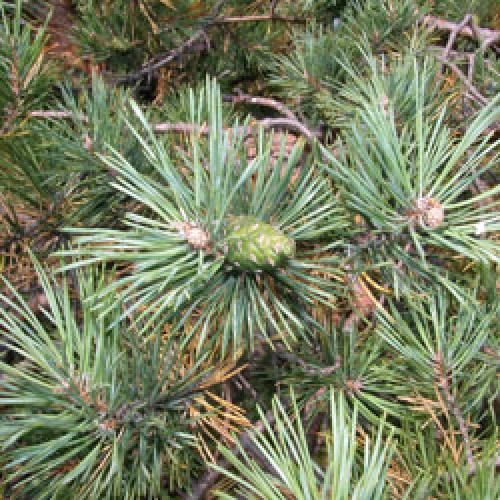
  • Leaves: Long, slender, blue-green needles in pairs; slightly twisted
  • Stems/Bark: Young bark is orange-red and flaky; older bark becomes thick and deeply fissured
  • Cones: Small, oval cones that mature over two years; turn brown when mature
  • Roots: Deep taproot with wide lateral spread, enabling strong anchorage and drought tolerance
Native Habitat + Growth Conditions:
  • Native To: Europe, from Scotland to Siberia
  • Preferred Soil: Poor, sandy, acidic, and well-drained soils
  • Sunlight: Full sun
  • Climate: Cold-temperate and subarctic; drought-tolerant and frost-hardy
  • Ecological Notes: Provides habitat and food for birds, insects, and forest mammals; stabilizes soil and prevents erosion in mountainous regions

Energetic Botanical Signature
Scotch Pine grows tall, straight, and resilient—even in poor soil and harsh climates. Its deep taproot anchors it firmly, while its upright form and evergreen needles reach steadily toward the sky. The reddish bark, protective and insulating, reflects its inner fire and endurance.
 
This vertical growth and year-round vitality mirror its energetic offering: structure, clarity, and continuity. It teaches how to stand tall in the face of depletion, how to stay rooted while reaching upward, and how to hold one’s shape when everything else is falling away. Its presence is stabilizing, especially for those who feel scattered, collapsed, or energetically drained.
Scotch Pine reminds us: there is strength in stillness, and life after long winters.



Energetics

Energetic Properties

Scotch Pine is structure and breath. It doesn’t overwhelm or over-process—it holds. This oil supports uprightness when you feel collapsed, helps restore energetic scaffolding after depletion, and invites breath back into the body when emotions have gone flat or stagnant. It’s especially helpful when exhaustion feels more emotional than physical.

This is a good oil for those who have given too much for too long. It brings clarity without aggression, and strength without pressure. Its clean, upward-moving energy can help reorient after grief, burnout, or emotional dullness.

Energetic Themes:
  • Rebuilding energetic integrity after depletion or collapse
  • Gently restoring emotional clarity and presence after long periods of fatigue
  • Supporting breath-based grounding when anxiety or grief constricts the chest
  • Encouraging uprightness and inner strength without forcing action
  • Releasing energetic stagnation—especially where exhaustion masks unprocessed grief

Spiritual Use:
Scotch Pine may be diffused or used in topical blends for energetic restoration after caregiving, illness, or grief. It’s a valuable ally in breathwork, trauma recovery rituals, and meditative practices focused on reinhabiting the body. It’s also a steadying presence in energetic hygiene routines—especially for empaths, space holders, or those returning from burnout.

Traditional & Folklore

Scotch Pine has been woven into the folklore and spiritual life of Northern and Central Europe for centuries. As one of the most resilient evergreen trees, it was revered as a symbol of vitality, endurance, and continuity—especially in cold regions where it remained green through the harshest winters.

Protective Tree of the North
In many European traditions, Scotch Pine was considered a guardian species. Branches were hung above doorways or burned to cleanse the home and protect against illness or negative influences—particularly during the dark winter months. In the Baltic and Slavic regions, pine twigs were sometimes included in protective amulets or threshold bundles to ward off harmful spirits.

Sacred Wood for Strength and Blessing
The wood of Pinus sylvestris was used in construction not only for its durability but for its energetic stability. In some Scandinavian practices, pine logs were chosen for homes, hearths, and ceremonial structures to promote strength and long life. Burning pine was also seen as a way to honor the forest and invoke the blessings of nature spirits.

Ritual Cleansing and Rebirth
In traditional Russian and Finnish bathhouse rituals (banya), pine branches were bundled and used to gently strike the body—believed to stimulate circulation, release stagnant energy, and renew the life force. This practice combined physical detoxification with spiritual purification.

Symbol of Light in Darkness
Because it stays green all year, pine was often associated with renewal and inner light. In winter solstice ceremonies and Yule traditions, pine boughs were brought indoors to honor the return of the sun and to remind the community that life continues, even in the stillness.
Chemistry

Chemical Components

Scotch Pine essential oil (Pinus sylvestris) is rich in monoterpenes, particularly α-pinene and β-pinene, which give the oil its fresh, piney, and resinous aroma. These compounds are responsible for its stimulating, respiratory-supportive, and immune-enhancing properties. The presence of other supporting monoterpenes and trace esters enhances the oil’s versatility and synergy.

Key Chemical Families Typically Present in Scotch Pine:
  • Monoterpenes (α-pinene, β-pinene, limonene, myrcene) – Offer strong antimicrobial, anti-inflammatory, and expectorant actions; promote respiratory clarity and diffusion through the air
  • Esters (e.g., bornyl acetate in trace amounts) – Contribute mild calming and antispasmodic effects
  • Sesquiterpenes (minor) – Support grounding, anti-inflammatory activity, and subtle energetic balance

Therapeutic Implications of the Chemistry:
  • Supports respiratory health and sinus decongestion, especially in steam inhalations or diffuser blends
  • Antimicrobial and air-purifying—useful during cold and flu season to reduce airborne pathogens
  • May assist with mild muscle or joint discomfort when used in massage blends, particularly when paired with warming or anti-inflammatory oils
  • Invigorating without overstimulation—can gently uplift energy and restore clarity, especially during fatigue or convalescence
Recipes & Blends

Recipes & Blends

1. Lung Support Steam Blend
Helps open the breath, clear congestion, and support sinus health.
Ingredients (for one steam session):
  • 2 drops Scotch Pine (Pinus sylvestris)
  • 1 drop Ravintsara (Cinnamomum camphora ct. 1,8-cineole)
  • 1 drop Frankincense (Boswellia carterii)
Add oils to a bowl of hot water. Inhale deeply with a towel over the head for 5–7 minutes. Avoid with asthma or very sensitive respiratory systems.

2. Post-Illness Recovery Massage Oil
Supports circulation, detox, and adrenal tone after depletion or long illness.
Ingredients:
  • 1 oz carrier oil (e.g., Jojoba or Sweet Almond)
  • 4 drops Scotch Pine
  • 3 drops Black Spruce (Picea mariana)
  • 2 drops Rosemary (Salvia rosmarinus ct. camphor or cineole)
Apply to the back, legs, and soles of the feet 1–2x daily, especially in the morning. Not for use during pregnancy or on sensitive skin.

3. Energetic Rebuilding Diffuser Blend
For energetic collapse, fatigue, or when you feel scattered and disoriented.
Ingredients (for diffuser):
  • 3 drops Scotch Pine
  • 2 drops Atlas Cedarwood (Cedrus atlantica)
  • 2 drops Sweet Orange (Citrus sinensis)
Diffuse in a well-ventilated space for 30–45 minutes. Encourages uprightness, focus, and breath-based grounding.

4. Boundary Restoration Inhaler
For healers, caregivers, or anyone who’s been energetically overextended.
Ingredients (for one blank inhaler):
  • 4 drops Scotch Pine
  • 2 drops Laurel Leaf (Laurus nobilis)
  • 2 drops Myrrh (Commiphora myrrha)
Use as needed when feeling drained, invaded, or emotionally raw. Aids energetic containment and clarity.


Safety Etc.

Safety Information

Scotch Pine essential oil (Pinus sylvestris) is generally well-tolerated when used appropriately and in low to moderate dilution (1–3%). It is rich in monoterpenes, which may oxidize over time and increase the risk of skin irritation or sensitization if not stored properly.
  • Avoid use on broken or damaged skin.
  • Always perform a patch test before topical use.
  • Do not use oxidized oil.
  • Not recommended during pregnancy or for use with infants and young children unless guided by a qualified practitioner.
  • Do not ingest.
  • Use caution with individuals who have asthma or severe respiratory sensitivities, especially in steam inhalation or diffuser applications.

Reviews (0)

Write a review

Note: HTML is not translated!
    Bad           Good
Powered By OpenCart
Stillpoint Aromatics © 2026