
Every order ships USPS Priority — $10.95 flat-rate USPS Priority shipping on all US orders, no minimum. Free shipping on domestic orders over $299.
Welcome to Stillpoint. Subscribe to our newsletter for sale details and new-product news · One discount code per order · Every order is hand-poured, packed with care in ceremony, and shipped as we receive it.

Patchouli Essential Oil (10-Year) | India | Limited Reserve

Pogostemom cablin

  • Patchouli Essential Oil (10-Year) | India | Limited Reserve

Average Rating: (see reviews)

$12.00 Ex Tax: $12.00
GC/MS Report
Current: May 2012

GC/MS Report

Batch: patch2012 (May 2012)
Distilled: February 2012

Gas Chromatography Analysis (%)

Monoterpenes

β-pinene 0.28
α-pinene 0.11

Sesquiterpenols

patchoulol 32.86
pogostol 1.97
other sesquiterpenols 1.42
bulnesol isomer 0.66
farnesol 0.34
isospathulenol 0.13

Sesquiterpenes

α--bulnesene 15.72
α-guaiene 14.58
α-patchoulene 4.42
seychellene 3.86
other sesquiterpenes 3.84
β-caryophyllene 3.45
guai-4,11-diene 2.52
γ-gurjunene 2.50
β-patchoulene 2.43
γ-patchoulene 1.06
patchoulene isomer 0.68
bisabolene 0.67
α-humulene 0.65
farnesene isomer 0.44
guaiadiene isomer 0.30
aristoladiene isomer 0.21
calarene 0.18
γ-selinene 0.16
γ-selinene 0.14
δ-elemene 0.12
α-selinene 0.12
sativene 0.07
β-bourbonene 0.02
α-copaene 0.01

Ketones

pogostone 0.76

Oxides

other oxides 1.22
Caryophyllen Epoxyde 0.34
sesquiterpenic epoxide 0.31

Essential Facts

  • Latin Name: Pogostemom cablin
  • Country of Origin: Bahamas
  • Botanical Family: Lamiaceae
  • Plant Parts: Leaves
  • Note Classification: Base
  • Cultivation Method: Unsprayed
  • Method of Extraction: Steam or Hydro Distillation
  • Extraction Date: January 2015
  • Approx. Shelf Life: gets better with age
  • Chemical Family: Sesquiterpenes, Sesquiterpenols
  • Batch: patch2015
  • GC/MS Report Date: April 2015
  • Aroma: Earthy, Exotic, Musky, Resinous, Rich, Sensual, Slightly floral, Warm, Woody
  • Energetic Applications: 1st Chakra - survival and support, 2nd Chakra - relationships, creation energy, 3rd Chakra - personal power, 7th Chakra - higher information, Clarity, Grounding, Introspective, Meditative, Protective, Source Energy
  • Therapeutic Properties: Anti-anxiety, Anti-bacterial, Anti-depressant, Anti-fungal, Anti-inflammatory, Anti-septic, Calming, Cicatrisant, Cooling, Deodorant, Insect repellent, Sedative, Tonic, Wound healing
Notes & Use

Personal Use

Patchouli Essential Oil (Pogostemon cablin) – India | Aged 10 Years
Earthy. Dark. Devotional. This rare, 10-year aged Indian Patchouli (Pogostemon cablin) is a masterclass in grounded elegance. Its aroma is deep and velvet-rich—think ancient forest floor, sacred incense smoke, damp earth after monsoon rains. Smooth, complex, and softened by time, it carries the soul of a thousand meditations.

Stillpoint’s Patchouli was steam distilled from sun-cured leaves in India, then aged naturally for a full decade—intensifying its fixative strength and emotional resonance. Aging has mellowed its sharper edges, allowing its sensual, root-rich notes to bloom into something quietly transcendent.

This is not your headshop Patchouli. This is sacred ground.
An oil for embodiment, emotional integration, nervous system re-regulation, and slow, steady healing.

Therapeutic Applications
Nervous System Regulation & Grounding
Patchouli is one of aromatherapy’s most effective oils for calming the nervous system. Its rich sesquiterpene profile makes it a powerful support for anxiety, overwhelm, emotional flooding, and energetic burnout. Especially in its aged form, it acts almost like an energetic sedative—helping the system shift from sympathetic arousal into parasympathetic ease.

Skin Support & Cellular Regeneration
Traditionally used in skin care for eczema, dermatitis, inflammation, and scarring, Patchouli helps tone and restore the skin, particularly where there’s chronic irritation or signs of aging. Its cell regenerative and anti-inflammatory actions make it an excellent addition to facial oils, salves, and body butters—especially for dry or mature skin.

Immune & Fungal Support
Patchouli may offer immune-enhancing, antimicrobial, and antifungal actions, making it helpful for athlete’s foot, candida, and fungal-related skin concerns. It may also support immunity by calming stress-driven depletion and strengthening the body’s deeper reserves.

Musculoskeletal Comfort
With anti-inflammatory and mild analgesic properties, Patchouli may help relieve deep-seated muscular tension, especially when stress and emotion are locked into the tissue. It's warming, supportive, and excellent in massage blends where grounding and emotional release are needed.

Emotional Integration & Sleep
This oil is a beautiful ally for anyone navigating grief, emotional dissociation, or spiritual fatigue. It helps bring the body back online after shock, trauma, or fragmentation. When diffused before bed or blended with a carrier oil for foot massage, it can gently encourage sleep, rest, and reconnection to the self.

Traditional Use

Patchouli is a tropical plant native to Asia, renowned for its numerous medicinal applications. It has antibacterial, antidepressant, and antifungal properties. It's also been used as an aphrodisiac, a substance that can help with gas problems (carminative), a substance promoting urine production (diuretic), a substance to stimulate menstruation (emmenagogue), a fever reducer (febrifuge), a general stimulant, and a tonic. Notably, patchouli has also been employed as an antidote for venomous snakebites and insect stings.

In Ayurvedic medicine, an ancient holistic healing system from India, patchouli is used to balance two of the body's energy types, or doshas: vata and pitta. Vata, associated with air and water, is involved in functions like blood circulation and waste elimination. Pitta, combining fire and water, controls metabolic systems, including digestion and temperature regulation. Thus, patchouli is utilized for conditions like inflammation, arthritis, cough, loss of appetite, and digestive disorders, which can be tied to imbalances in these doshas.

In Traditional Chinese Medicine (TCM), where patchouli is known as "guanghuoxiang", its medicinal uses date back to the Han Dynasty. The leaves, flowering spikes, and roots of the plant, all rich in essential oils and flavonoids, are used to treat a range of health issues. These include mood disorders, bacterial infections, fevers, malaria, headaches, colds, and coughs, as well as digestive and liver conditions. Recent Chinese studies have shown patchouli can have a cytotoxic effect, damaging certain cancer cells, and can prevent blood platelets from sticking together.

In various Asian medical traditions, patchouli is also used for conditions such as nervousness, bile problems, insufficient urination, menstrual pain, joint pain, and rheumatism.
Modern research corroborates these traditional uses and expands upon them. Scientists have found that patchouli extracts have potent antioxidant activity, which could be beneficial in diseases caused by oxidative stress.

It has also shown promise in treating pain, flu, sore throat, and inflammation of the middle ear. As such, the scientific interest in patchouli's potential medicinal uses continues to grow.

Botany

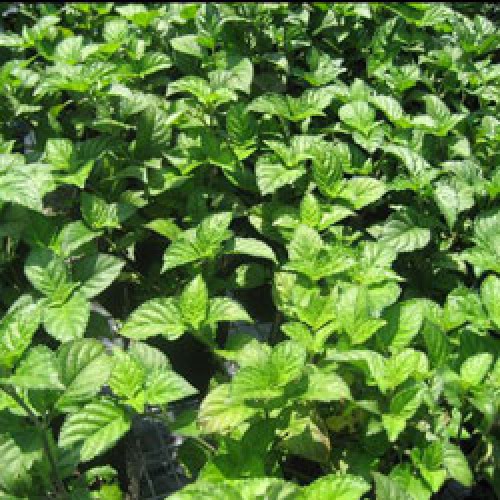
Pogostemon cablin, known commonly as Patchouli, is a bushy, aromatic perennial herb in the Lamiaceae (mint) family. Unlike many of its mint relatives, Patchouli does not have a particularly minty scent—it is earthy, resinous, and musky, thanks to the rich sesquiterpene content in its leaves.

This tropical plant is native to Southeast Asia, thriving in warm, humid environments with fertile soil. It’s not a showy plant, but its scent has fueled centuries of trade, devotion, and perfumery.

Botanical Name: Pogostemon cablin
Family: Lamiaceae
Common Names: Patchouli, Patchouly, Puchaput
Plant Type: Perennial aromatic herb
Part Used for Distillation: Sun-dried leaves (occasionally twigs)
Growth Habit: Low, bushy shrub—approximately 2–3 feet tall

Physical Characteristics:
  • Leaves: Large, soft, and hairy with jagged edges; rich in oil glands that release aroma when bruised or dried
  • Stems: Square and branching—typical of the mint family
  • Flowers: Small, pale purple to white, and rarely produced in cultivation
  • Roots: Fibrous and shallow; spreads laterally

Native Habitat + Growth Conditions:
  • Native To: Southeast Asia—particularly Indonesia, Philippines, and India
  • Preferred Soil: Moist, fertile, well-drained soil high in organic matter
  • Sunlight: Partial shade to full sun
  • Climate: Tropical to subtropical; sensitive to frost
  • Cultivation Notes: Patchouli is often harvested 2–3 times per year and typically distilled from dried leaves, which increases oil yield and intensifies aromatic depth

Energetic Botanical Signature
Patchouli stays low to the ground, wide and steady, thriving in heat and humidity. It requires care but not coddling—and offers medicine through stillness, not speed. With its resinous, earthen body and its ability to deepen with time, Patchouli reflects the energy of long integration, embodied presence, and deep nervous system repair. It doesn’t push or provoke. It grounds, holds, and listens.


Energetics

Energetic Properties

  • Chakra Balancing and Psychospiritual Harmony: In the context of chakra work, patchouli is not only associated with the base or root chakra, but it's also said to harmonize the interaction among the 1st (root), 3rd (solar plexus), 4th (heart), and 7th (crown chakras). It's used to balance and stimulate these chakras, promoting a sense of stability, personal power, love, and spiritual connection. Patchouli is also thought to exert a clarifying effect on the mind, especially helpful for individuals who have experienced prolonged stress, which can be beneficial following a nervous breakdown or a history of seizures.
  • Grounding and Emotional Connection: Patchouli is believed to provide grounding for those who may have been emotionally neglected or who have become detached from their physical body's needs. By maintaining contact with one's feelings, patchouli may also aid in understanding and recalling dreams, enhancing one's introspective abilities.
  • Aura Cleansing: As part of its aura cleansing properties, patchouli is thought to help remove blockages and restore a smooth flow of energetic vitality, essential for overall well-being.
  • Prosperity and Abundance: In various folkloric traditions, patchouli is believed to encourage financial prosperity and material abundance when used in prayer ceremonies. Its effect in this regard might be an indirect result of its ability to increase positive thinking and openness to the possibility of success.
  • Protection: The protective energies of patchouli are also significant, shielding against negative influences or entities, and safeguarding an individual's energy or personal space.

Traditional & Folklore

Patchouli (Pogostemon cablin) has been woven into spiritual, medicinal, and cultural practices across continents—its deep, grounding aroma holding symbolic power far beyond the physical.

Southeast & South Asia
Patchouli originates from tropical Asia and has long been revered in India, where it is associated with Lord Shiva and used in sacred rituals, temple incense, and spiritual bathing practices. It’s seen as both protective and purifying, often used to sanctify space and enhance meditation. In some traditions, Patchouli was also placed in bridal bedding to symbolize passion, fertility, and enduring love.

Middle Eastern Traditions
In the Middle East, Patchouli was treasured for its intoxicating aroma and aphrodisiac properties. It became a staple in high-end perfumes and body anointing oils—reserved for the wealthy and powerful. Caravans would trade in Patchouli as a symbol of prestige, and it was often gifted as a sign of abundance and sensual connection.

Africa
In various African healing traditions, Patchouli was used as a wound antiseptic and incorporated into healing incenses and protective charms. Its powerful scent was believed to ward off malevolent forces while aiding in physical recovery and spiritual resilience.

Europe
Patchouli arrived in Victorian England via imported cashmere and silk from India. It became a marker of authenticity—if a fabric smelled of Patchouli, it was the real thing. Its aroma was so potent and distinctive that it became a signature of exotic luxury. Eventually, it found its way into perfumery as a grounding base note, symbolizing mystery, opulence, and worldly sophistication.

North & South America
In North America, Patchouli rose to iconic status during the 1960s–70s, woven into the counterculture movement as a scent of freedom, rebellion, and earth-based living. It became a symbol of peace, body sovereignty, and radical love. In South American folk medicine, Patchouli has been used as a cleansing herb and energetic protector, incorporated into spiritual baths and healing rituals to dispel negativity and anchor the soul.
Chemistry

Chemical Components

  • Patchoulol (patchouli alcohol): This sesquiterpene alcohol is the major component of patchouli oil. It has been extensively studied for its various therapeutic properties. Some of these include:
    • Antibacterial: It has been shown to be effective against a variety of bacteria, making it useful in preventing and treating bacterial infections.
    • Antiviral: Some studies have suggested that patchoulol has activity against certain viruses.
    • Anti-inflammatory: It may help to reduce inflammation, which can be beneficial in managing conditions that involve chronic inflammation.
    • Wound healing: Some research has shown that patchoulol can promote wound healing, likely due to its antimicrobial and anti-inflammatory properties.
  • α-Guaiene: This sesquiterpene hydrocarbon found in patchouli oil has been studied for:
    • Antimicrobial: α-Guaiene has been shown to have antimicrobial properties against several types of pathogens, which can help prevent and treat infections.
    • Anti-inflammatory: Similar to patchoulol, α-guaiene also has anti-inflammatory properties.
  • Seychellene: This is another sesquiterpene hydrocarbon that contributes to the complex aroma of patchouli oil. Therapeutically, it has:
    • Antioxidant properties: Seychellene is known for its antioxidant activity, which means it can neutralize harmful free radicals in the body. This might help in reducing the risk of chronic diseases like heart disease and cancer.
  • α-Patchoulene and β-Patchoulene: These are sesquiterpene hydrocarbons with therapeutic benefits such as:
    • Antimicrobial: α-Patchoulene, in particular, has been shown to inhibit the growth of certain types of bacteria.
  • Norpatchoulenol: Another sesquiterpene alcohol in patchouli oil, norpatchoulenol has:
    • Anti-inflammatory and antimicrobial effects: Similar to patchoulol and α-guaiene, norpatchoulenol is reported to have both anti-inflammatory and antimicrobial properties.
Recipes & Blends

Recipes & Blends

Nervous System Reset Massage Blend
For anxiety, emotional burnout, or physical tension due to stress
  • 5 drops Patchouli (Pogostemon cablin)
  • 3 drops Sweet Marjoram (Origanum majorana)
  • 2 drops Roman Chamomile (Chamaemelum nobile)
  • 1 oz Jojoba or Sesame Oil (warmed slightly)
Massage into the shoulders, neck, lower back, or feet before bed. A deeply calming, restorative blend for the vagus nerve and adrenals.

Safety Etc.

Safety Information

Patchouli (Pogostemon cablin) essential oil is considered non-toxic, non-irritating, and non-sensitizing when used appropriately. It is suitable for topical use in low to moderate dilution (1–3%) and can be safely used in long-term, body-centered formulations.

Because of its high sesquiterpene content and potential for skin absorption, a little goes a long way—especially with this 10-year aged oil, which is more potent, resinous, and energetically grounded.
  • Avoid internal use unless working under the guidance of a qualified clinical practitioner.
  • Safe for most skin types, including sensitive, but always perform a patch test when working with new clients or blends.
  • Not recommended for very low blood pressure or depressive states if lethargy is a concern, as Patchouli can be deeply sedating.
  • Store in a cool, dark place to preserve the oil’s depth and richness; aging continues to enhance it.

Reviews (4)

Write a review

Note: HTML is not translated!
    Bad           Good
Powered By OpenCart
Stillpoint Aromatics © 2026