Personal Use
I have used snakeweed essential oil to help relieve minor muscle and joint aches and pains. The oil contains anti-inflammatory compounds that can reduce swelling, relax muscles, and ease discomfort when applied topically.
To use snakeweed oil for joint issues, I’ll combine it in a blend with oils like wintergreen (Gaultheria procumbens), Plai (Zingiber cassumunar), and Ravensara (Ravensara aromatica) and rub it on the problem joints. This provides a cooling, analgesic effect that brings relief.
If I end up with scrapes, cuts or bruises from activities like hiking, I apply diluted snakeweed oil topically once disinfected. The oil has antiseptic properties that support healing, and it also reduces pain and swelling at the site of injuries like bruises.
Snakeweed essential oil has become a staple in my apothecary for these types of uses. When diluted appropriately and applied topically, it can aid recovery from muscle and joint discomfort and injuries. I find it provides soothing, localized relief when used responsibly as part of an informed essential oil routine.
Traditional Use
- The Navajo used this plant, known as "snakeweed", for multiple medicinal purposes. A decoction of the leaves and stems was used to treat stomach aches, coughs, colds, and fever. The plant was also used as a snakebite remedy.
- The Hopi rubbed the chewed plant on areas affected by rheumatism to relieve pain and inflammation.
- The Zuni used snakeweed as an eye medicine, making an eye wash from the decocted leaves to treat infections and irritations.
- Several tribes including the Navajo, Hopi, and Ramah Navajo would burn the plant and inhale the smoke to relieve headaches, asthma, and hay fever symptoms.
- The roasted roots were chewed by Navajo singers before ceremonies to clear the throat.
- The Tewa and Keres peoples powdered the leaves and applied it to cuts, bruises and sores as an antiseptic.
- The Pima boiled the plant and applied the water to warts to get rid of them.
Botany
-
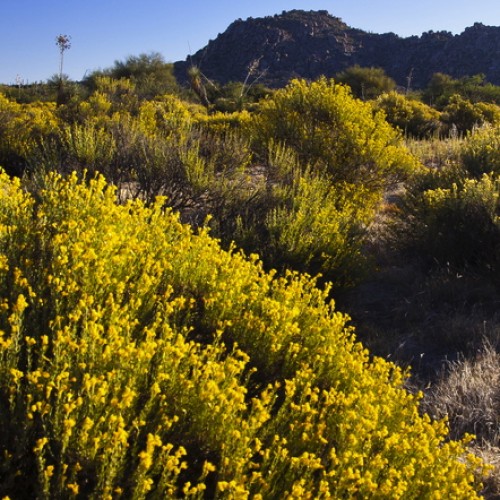
Appearance: Gutierrezia arizonica is a small shrub that typically grows between 30 to 60 cm tall. It has narrow, linear leaves and produces yellow, discoid flowers. The plants have a bushy appearance and can sometimes form dense stands.
-
Habitat: This plant prefers dry, sandy, or gravelly soils. It's typically found in desert scrublands, open woodlands, and grasslands.
-
Traditional Use: The name "snakeweed" is derived from the traditional use of certain species of Gutierrezia for treating snakebites, although the efficacy of such treatments isn't well-documented scientifically.
-
Livestock Concerns: Some species of snakeweed, including G. arizonica, can be toxic to livestock. Ingestion by cattle or sheep can lead to poisoning, particularly when the plants are abundant and other forage is scarce. The plants contain saponins, which are believed to be responsible for their toxic effects.
-
Ecological Role: Like other desert shrubs, Gutierrezia arizonica plays a vital role in its ecosystem by preventing soil erosion and providing habitat for various animals. Its flowers are also a nectar source for pollinators.
-
Conservation Status: As of the last update in 2022, Gutierrezia arizonica is not considered to be at significant risk. However, any local conservation concerns or statuses can vary based on habitat loss or other ecological pressures.