Personal Use
Plai Essential Oil (Northeastern Thailand) – Zingiber cassumunar
Limited Reserve | Respiratory & Energetic Opener
Limited Reserve | Respiratory & Energetic Opener
This Northeastern variety of Plai (Zingiber cassumunar) is sharp, vibrant, and incredibly opening. Its aroma is unmistakable—freshly spicy with a camphoraceous, rooty warmth that rises immediately into the chest and mind. Unlike the more grounding Central Thai Plai, this one is about clearing space, moving energy, and waking up what’s been stuck.
Distilled in the Isaan region of Thailand, this Plai comes from rhizomes known for their high sabinene content and pungent aromatic potency. It is a potent ally for the respiratory system, helping to ease tightness in the chest, clear sinus blockages, and support breath when it feels shallow, stuck, or constricted by grief or stagnation.
Energetically, this is a boundary-clearing, fog-lifting oil. It's especially helpful for practitioners, empaths, and energetically sensitive folks who need to cut through density and reconnect to clarity. Not fiery like ginger—this is cool fire. Penetrating. Dispersing. Awakening.
This is one of our limited reserve oils—distilled in small batches and only available seasonally. Once it’s gone, it’s gone.
Therapeutic Applications
Respiratory Support + Chest Opener
This Northeastern variety of Plai shines when it comes to clearing the lungs and sinuses. Its higher sabinene content and camphoraceous top note make it especially effective in opening the breath, breaking up congestion, and easing tightness in the chest. Think: shallow breath from grief, emotional overwhelm, or energetic heaviness in the lungs. It’s a less-aggressive alternative to eucalyptus or ravintsara, but just as effective—and energetically deeper.
Immune Support + Antimicrobial Properties
Traditionally used in Thai medicine for colds, coughs, and general malaise, this Plai chemotype may offer gentle antimicrobial, antiviral, and immune-supportive effects—especially useful in diffusion, chest balms, or respiratory blends. It supports the body’s natural defenses while offering comfort to the system.
Traditionally used in Thai medicine for colds, coughs, and general malaise, this Plai chemotype may offer gentle antimicrobial, antiviral, and immune-supportive effects—especially useful in diffusion, chest balms, or respiratory blends. It supports the body’s natural defenses while offering comfort to the system.
Circulatory & Lymphatic Movement
Though not as strongly anti-inflammatory as Central Thai Plai, this oil encourages movement—physical, emotional, and energetic. It may help with sluggish lymph, tension from stagnation, or the kind of muscle fatigue that comes from being stuck in one position (physically or emotionally) too long.
Though not as strongly anti-inflammatory as Central Thai Plai, this oil encourages movement—physical, emotional, and energetic. It may help with sluggish lymph, tension from stagnation, or the kind of muscle fatigue that comes from being stuck in one position (physically or emotionally) too long.
Energetic Clearing + Nervous System Unwinding
This is an oil that clears the headspace. Especially helpful when mental fog, looping thoughts, or fatigue are layered on top of physical tension. Diffusing or inhaling this oil can shift the state of a room—and the psyche—without the sharp jolt of menthol-based oils.
This is an oil that clears the headspace. Especially helpful when mental fog, looping thoughts, or fatigue are layered on top of physical tension. Diffusing or inhaling this oil can shift the state of a room—and the psyche—without the sharp jolt of menthol-based oils.
Traditional Use
Plai has long held a sacred and medicinal role in Thai culture, particularly in the Northeastern Isaan region, where it is revered for its ability to move stagnation—physical, emotional, and energetic.
-
Thai Traditional Medicine: Plai is considered a cornerstone herb in Thai healing, where it’s often used in herbal compresses, balms, and steam therapies. In the northeast, its pungent, penetrating properties are called upon for treating coughs, colds, fever, and congestion, as well as relieving chest tightness and promoting expansion of breath and spirit.
-
Steam Therapy & Saunas: In Thai saunas, crushed Plai rhizomes are often tossed into the hot stones or boiling water to purify the respiratory tract, support immunity, and open energetic pathways. The vapors are used to clear not only the lungs but also mental fog and spiritual heaviness.
-
Energetic Detoxification: Plai is traditionally considered a “wind-clearing” herb, used to expel what Thai healers refer to as "lom"—stuck or pathogenic wind believed to cause pain, stagnation, or energetic disharmony. This aligns with how it’s used today: for energetic smudging, emotional clarity, and nervous system regulation.
-
Postpartum Care: In traditional Thai postpartum treatments, Plai is applied as part of warm compresses to stimulate circulation, reduce inflammation, and support emotional recovery. This practice reflects its deep restorative energy and its ability to support transitions, healing, and return to self.
Botany
Plai (Zingiber cassumunar) is a rhizomatous perennial plant in the Zingiberaceae (ginger) family, closely related to other healing roots like ginger and turmeric. While it's widely grown across Southeast Asia, the Northeastern Thai chemotype carries a distinct aromatic and therapeutic fingerprint—cooler, sharper, and more respiratory-focused.
This hardy plant thrives in tropical and subtropical climates, particularly in the Isaan region of Thailand, where it’s woven into both folk medicine and spiritual tradition. Unlike culinary ginger, Plai is not commonly used for flavor—it’s known for its medicinal root and deep, grounding energetics.
Botanical Name: Zingiber cassumunar
Family: Zingiberaceae
Common Names: Thai Plai, Cassumunar Ginger, Thai Ginger, Pu-lai
Plant Type: Perennial rhizome-bearing herb
Part Used for Distillation: Fresh rhizomes
Growth Cycle: Perennial with seasonal flowering; dies back in dry season
Family: Zingiberaceae
Common Names: Thai Plai, Cassumunar Ginger, Thai Ginger, Pu-lai
Plant Type: Perennial rhizome-bearing herb
Part Used for Distillation: Fresh rhizomes
Growth Cycle: Perennial with seasonal flowering; dies back in dry season
Physical Characteristics
-
Height: Typically grows 1–1.5 meters (3–5 feet) tall
-
Rhizomes: Pale yellow to creamy-white inside, thicker and more knobby than culinary ginger
-
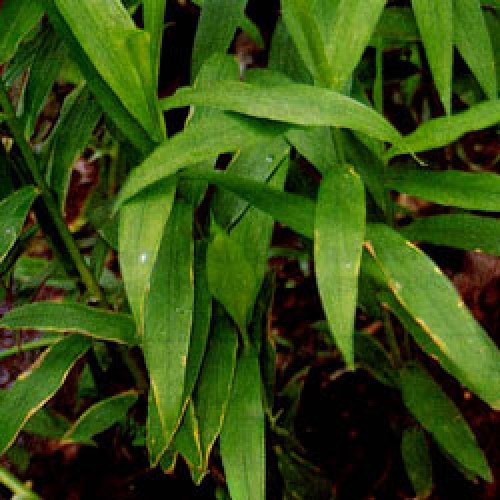
Leaves: Long, narrow, and lance-shaped with a soft, tropical green hue
-
Flowers: Pale lavender or purple with delicate fringed petals; emerge on cone-like inflorescences directly from the rhizome base
-
Aroma of Root: Cool, spicy, medicinal—sharper than ginger with camphoraceous and peppery top notes
Native Habitat & Growth Conditions
-
Native To: Thailand, Indonesia, Myanmar, and surrounding Southeast Asian regions
-
Preferred Soil: Well-drained, loamy or sandy soil with good organic matter
-
Climate: Hot, humid environments with a distinct rainy season
-
Harvest Time for Distillation: Typically harvested at the end of the rainy season, when rhizomes are at their most aromatic—often late autumn
-
Ecological Notes: Propagated by rhizome division; not invasive, but spreads steadily under proper tropical conditions
Energetic Botanical Signature
Plai is not a plant of soft edges—it grows strong, close to the ground, and stores its medicine in its root, hidden from view. Its flowers emerge from the base rather than the top, reminding us that healing doesn't always rise up—it often starts deep down.
It grows in moist, heat-drenched soil, thriving in the shadow and emerging fully only when ready. This mirrors its energetic action: meeting us in our internal overwhelm and coaxing clarity from the root upward. It is a plant of resilience, release, and restoration, grounded in both physical and spiritual medicine.