
Every order ships USPS Priority — $10.95 flat-rate USPS Priority shipping on all US orders, no minimum. Free shipping on domestic orders over $299.
Welcome to Stillpoint. Subscribe to our newsletter for sale details and new-product news · One discount code per order · Every order is hand-poured, packed with care in ceremony, and shipped as we receive it.

Muhuhu Essential Oil | African Sandalwood | Deep Grounding | Structural Support

Brachyleana hutchinsii

  • Muhuhu Essential Oil | African Sandalwood | Deep Grounding | Structural Support

Average Rating: (see reviews)

$14.00 Ex Tax: $14.00

Essential Facts

  • Latin Name: Brachyleana hutchinsii
  • Country of Origin: Brazil
  • Botanical Family: Asteraceae
  • Plant Parts: Heartwood
  • Note Classification: Base
  • Cultivation Method: Wild Harvested
  • Method of Extraction: Steam or Hydro Distillation
  • Extraction Date: May 2025
  • Approx. Shelf Life: 8 - 10 years easily
  • Chemical Family: Sesquiterpenes, Sesquiterpenols
  • Batch: muhuhu
  • Aroma: Balsamic, Cool, Earthy, Rich, Sensual, Slightly musky, Soft, Woody
  • Energetic Applications: 1st Chakra - survival and support, 2nd Chakra - relationships, creation energy, 4th Chakra - unconditional love, 6th Chakra - perspective, 7th Chakra - higher information, Balancing, Clarity, Expansive, Grounding, Introspective, Meditative, Protective, Source Energy
  • Therapeutic Properties: Analgesic, Anti-anxiety, Anti-arthritic, Anti-bacterial, Anti-fungal, Anti-inflammatory, Anti-microbial, Anti-parasitic, Anti-rheumatic, Anti-septic, Anti-tussive, Astringent, Calming, Cicatrisant, Circulatory stimulant, CNS depressant, CNS sedative, CNS tonic, Decongestant, Deodorant, Digestive tonic, Nervine, Sedative, Strengthening, Tonifying, Warming, Wound healing
Notes & Use

Personal Use

Muhuhu (African Sandalwood) Essential Oil
Brachylaena hutchinsii

Dry | Smoky | Ancestral | Subterranean
Muhuhu doesn’t come in soft. It walks in like an old ancestor — slow, deliberate, carrying the weight of memory and the endurance of forests that have survived more than we like to imagine. Its aroma is deep and dry, with smoky undertones, a leathery resinous body, and that quiet, steady hum you only get from woods that have grown under pressure.
There’s no “perfume” here. No polite sweetness.

Muhuhu is the opposite of seduction — it’s truth.
It smells like earth that has weathered fire. Like roots gripping ancient soil. Like the patient strength of something that refuses to break.
Aromatically, it sits lower than most woods:
  • smoky, almost incense-like
  • woody, but not warm — more mineral, bone-like
  • dry, like cured bark or sunbaked timber
  • slightly balsamic, with a faint, nearly medicinal desert-cleansing edge
Its presence is grounding in a way that feels structural, not emotional. It doesn’t console you — it recalibrates you. There’s a “coming back into your axis” quality that hits immediately, like your energy drops an inch or two into your hips and lower belly.

Muhuhu is steam distilled from the heartwood of Brachylaena hutchinsii, a tree native to East Africa, where it has been valued for generations as a sacred building wood and a protective presence. Its slow growth, dense wood, and resistance to decay translate directly into the oil’s vibration — this is a stabilizer, a fortifier, a long-haul ally.

This oil is for steadiness.
For spine.
For the moments when you need to remember your own depth and not get blown off your damn center by life’s noise.
It’s the wood you turn to when you need to rebuild your footing from the inside out.

Traditional Use

Therapeutic Applications

Musculoskeletal Support + Deep Tissue Grounding
Traditionally used in East Africa for body aches, structural fatigue, and post-labor recovery, Muhuhu may help ease muscular tension and chronic “bone-deep” soreness.
  • Useful in blends addressing long-standing stiffness or joint discomfort
  • Supports massage formulations for overworked tendons, repetitive strain, or tension held in the spine and hips
  • Best for pain that feels dense, tight, or chronic, rather than sharp or inflamed
Anti-Inflammatory + Heat-Regulating Support
While research is limited, its sesquiterpene-rich profile suggests potential anti-inflammatory benefits.
Traditionally, the wood was used to reduce heat and swelling in localized areas. Muhuhu may:
  • Assist in calming chronic, slow-burning inflammation
  • Help ease discomfort from overuse injuries
  • Support topical blends for post-exertion heat, swelling, or “heavy” muscle fatigue
Skin Fortification + Environmental Repair
Traditionally used to strengthen and protect skin exposed to harsh climates, Muhuhu may:
  • Support barrier repair for dry, cracked, or weather-exposed skin
  • Help restore resilience after sun, wind, or environmental stress
  • Assist in formulations for rough heels, hands, elbows, or overworked feet
    Its grounding, resinous quality makes it ideal for balms, butters, and repair salves.
Nervous System Stability
Muhuhu doesn’t sedate — it stabilizes.
It offers a slow, descending calm that may help regulate the nervous system when the body feels scattered, overstimulated, or energetically “leaky.”
  • May assist in reducing agitation, overthinking, and restlessness
  • Useful in recovery blends after burnout, anxiety spikes, or emotional depletion
  • Combines beautifully with Vetiver (Chrysopogon zizanioides), Cedarwood (Cedrus atlantica), and Patchouli (Pogostemon cablin) for deep grounding and reintegration
Respiratory Support (Traditional Use)
In some regional practices, the wood smoke was used for respiratory cleansing.
The essential oil may help:
  • Support easier breathing during seasonal discomfort
  • Ease chest tightness due to stress or emotional congestion
  • Provide grounding aromatics in steam or diffusion rituals

Muhuhu is an oil that doesn’t rush healing — it rebuilds it.
Structurally, emotionally, and energetically.

Botany

Botany
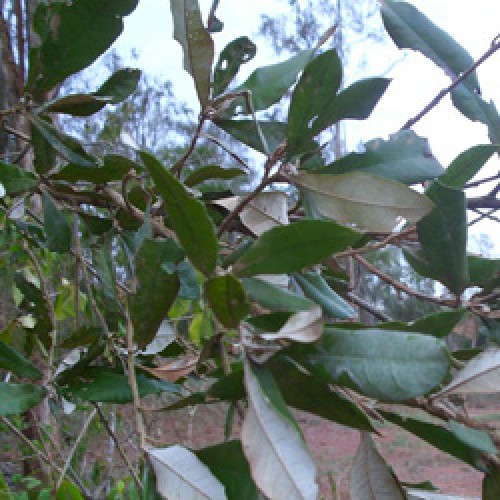
Brachylaena hutchinsii, commonly known as Muhuhu or African Sandalwood, is an evergreen hardwood native to the coastal and montane forests of East Africa—primarily Kenya and Tanzania. A member of the Asteraceae family (yes, the same family as chamomile and Artemisia), it carries none of the “lightness” you’d expect from a daisy relative. Muhuhu is dense, resinous, and slow-growing, with heartwood that concentrates its deep, smoky aroma over decades.

The essential oil is steam distilled from the heartwood, not the bark. This is where the tree stores its protective, antimicrobial, and grounding constituents. In its native ecosystem, Muhuhu is renowned for its durability—resistant to rot, insects, time, and the elements. Furniture makers praise it for the same reasons aromatherapists do: it endures, and that endurance becomes its medicine.

Botanical Name:
Brachylaena hutchinsii

Family:
Asteraceae

Common Names:
Muhuhu, African Sandalwood, Muhugu, Mungua

Plant Type:
Evergreen hardwood tree

Part Used for Distillation:
Heartwood (occasionally roots or wood chips)

Growth Habit:
Typically 10–20 meters tall; slow-growing with a strong, upright form

Flowering Season:
Small, inconspicuous cream-colored flowers; blooms vary by region but often occur during dry seasons

Harvest Time for Distillation:
Mature wood harvested year-round, though distillers prefer older trees with more developed heartwood oil concentrations

Physical Characteristics
Leaves:
Simple, oval-shaped, deep green, often slightly glossy; alternately arranged

Bark:
Dark brown to gray; rough, deeply fissured; the aromatic constituents are not in the bark but in the heartwood beneath

Wood:
Exceptionally dense, fine-grained, aromatic, with a natural resistance to pests and decay; highly valued in carving, furniture, and ceremonial tools

Flowers:
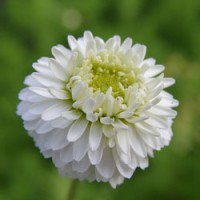
Small, pale, daisy-like but understated; not a significant aromatic contributor

Roots:
Strong, fibrous, and wide-spreading — adapted to both coastal wind exposure and rocky mountain soils

Native Habitat + Growth Conditions
Native To:
Coastal and mountain regions of Kenya and Tanzania
(especially the East African coastal forests and the Kilimanjaro foothills)

Preferred Soil:
Well-drained sandy, loamy, or rocky soils; tolerates nutrient-poor terrain

Sunlight:
Full sun to partial shade

Climate:
Tropical to subtropical climates; thrives in both humid coastal air and drier inland elevations

Ecological Notes:
Muhuhu contributes to forest stability by resisting rot and anchoring shallow, erosion-prone soils. It also provides habitat and shade within mixed-species forests and is considered locally valuable for sustainable timber use when responsibly harvested.

Energetic Botanical Signature
Muhuhu grows slowly and with intention — and it shows. Its heartwood develops density, weight, and inner resin only after years of weathering wind, heat, salt air, and uneven soils. The medicine lives deep inside, not on the surface. You don’t get Muhuhu’s scent until you cut into what’s been compressed, strengthened, and layered over time.

This tree teaches boundaries in their truest form: the kind created by structure, not defensiveness. It shows us how to hold firm without rigidity, how to root without clinging, and how to stay present in our own body even when life pulls in ten different directions.

Muhuhu’s energetic signature speaks to deep anchoring, reclamation of inner space, and the slow rebuilding of one’s foundation.
It’s not an oil of quick shifts — it’s an oil of long-term recalibration.

It reminds you:
Strength isn’t loud.
It’s steady.
And it lives in the core, not the surface.
Energetics

Energetic Properties

Bone-Deep Presence • Inner Architecture • Embodied Strength
Muhuhu isn’t an oil that lifts, brightens, or inspires. It descends.
It drops you down into your own structure — the inner scaffolding you forget you have when life yanks you into hypervigilance, fear, or fragmentation.
This is not a fast-moving energy.

This is slow stabilization, the kind that rebuilds your core capacity inch by inch.
Muhuhu doesn’t ask you to transcend anything.
It anchors you so you can face your life from your feet, not your adrenaline.
Its signature teaches you how to inhabit your own bones again — especially when you’ve been scattered, overwhelmed, or living in survival mode for too damn long.

Energetic Themes:
  • Rebuilding physical and energetic structure after chronic stress, depletion, or collapse
  • Restoring the sense of “I am here” in the body after shock, fear, or dissociation
  • Stabilizing emotional turbulence and bringing the system back into its baseline
  • Creating strong, grounded energetic boundaries without rigidity
  • Supporting integration after intense spiritual work, therapeutic breakthroughs, or ceremonial descent
  • Helping the body reclaim heat, density, and presence when someone feels “floaty,” numb, or disconnected from their lower chakras
  • Easing grief lodged in the bones, hips, or spine — the places that hold ancestral weight
Spiritual Use:
Muhuhu is ideal for any work that requires grounding your spirit back into your physical form.
It’s the oil you reach for when your consciousness has gone far, when your ritual cracked you open, or when you’ve been working in the upper realms and your body feels like an afterthought.
  • Beautiful for root, sacral, and solar plexus work where embodiment and stability are the goal
  • Supportive in rituals of reclamation, sovereignty, and “coming back into your body”
  • Anchors spiritual experiences so they don’t float away or stay unintegrated
  • Excellent paired with Vetiver (Chrysopogon zizanioides), Myrrh (Commiphora myrrha), Cedarwood (Cedrus atlantica), or Patchouli (Pogostemon cablin) to deepen somatic presence
  • Helps regulate the nervous system during deep shadow work, trauma integration, or ancestral healing
This is the oil for returning to your core —
not to escape the world,
but to stand in it with your full weight, your full truth, and your full presence.

Affirmation for Muhuhu
“I return to myself. I anchor into my own strength. What is mine comes home to me, and what is not mine falls away.”
(Short, true, structural — it matches Muhuhu’s medicine.)

Energetic Note
Muhuhu carries the vibration of deep rooting and inner reconstruction. It works slowly, steadily, from the bones inward — reminding the body that stability is a lived experience, not a concept. This is the energy of returning to your axis after being pulled apart, the energy of standing fully in yourself again. Muhuhu doesn’t elevate or escape — it reinhabits. It brings you back into your own weight, your own presence, and your own truth.

Traditional & Folklore

In East Africa, particularly along the Kenyan and Tanzanian coast, Muhuhu is not simply a hardwood — it is a tree of endurance, protection, and inner strength. Its presence in traditional life spans medicine, ceremony, craft, and energetic guardianship. Villages recognized Muhuhu not for sweetness or fragrance, but for the density and spiritual weight it carried.
This is a tree that stands its ground — literally and symbolically — and the people who lived alongside it understood that.

Folk Use as a Protective Wood
Muhuhu has long been considered a “strong wood,” both physically and spiritually.
  • Carved into protective amulets, staffs, and ritual objects due to its resistance to decay
  • Used in the construction of homes where energetic or physical strength was needed
  • Valued as a “boundary wood,” believed to guard against negative forces, ancestral unrest, or wandering spirits
The heartwood’s density symbolized inner fortitude, and objects made from Muhuhu were often handed down across generations.

Heat, Pain, and Strength Rituals
While not widely used as a bark medicine like Katafray, Muhuhu’s wood was incorporated into:
  • smoke rituals for easing chest tightness, clearing stagnant energy, or helping someone “catch their breath” after emotional shock
  • warming practices where embers or steam from the wood were used to support people recovering from long journeys, physical strain, or deep fatigue
  • body-rebuilding traditions where the wood’s smoke or warmth symbolically restored strength during periods of depletion
Muhuhu was less a “symptom reliever” and more an energetic fortifier, invoked when someone needed grounding, endurance, or protection.

Post-Transition Protection
In some communities, Muhuhu wood was burned after:
  • funerals or mourning periods
  • thresholds such as moving to a new home
  • major life transitions where identity and energy felt unstable
The belief was that Muhuhu’s smoke “settled” the space and helped the spirit of the living return to themselves.

Cultural Significance
Muhuhu’s hardness and resistance to decay gave it symbolic weight:
  • It represented truth, resilience, and constancy — qualities admired in elders, leaders, and protectors
  • Woodworkers considered it a sacred material for ceremonial objects and ancestral shrines
  • The heartwood was associated with stability, making it a preferred carving wood for anything meant to hold energy or memory over time
In folk memory, Muhuhu is not a tree that comforts — it’s a tree that holds.
When someone was exhausted, pulled apart, or energetically compromised, Muhuhu was the material you turned to — not because it was gentle, but because it was steadfast.
This was not an everyday tree.

This was a guardian tree — one that lent its strength when a person or a household needed backbone, boundary, or grounding.
Chemistry

Chemical Components

Muhuhu is a sesquiterpene-rich essential oil, and you can feel it from the first inhale.
Dry, smoky, resinous, and steady — its chemistry carries weight. There’s no sparkle, no lift, no bright top notes. This is bottom-of-the-body medicine: grounding, stabilizing, and slow-moving.

Its molecules settle into the tissues the same way the tree roots into rocky East African soil — with intention, density, and endurance.

Main Chemical Families:
Sesquiterpenes (Primary)
(Often 50–70% depending on distillation)
  • Anti-inflammatory, grounding, stabilizing
  • Support chronic, long-term musculoskeletal discomfort
  • Excellent for deep, slow repair of tissues affected by strain, fatigue, or depletion
  • Provide a calm-but-present nervous system effect (not sedating, but stabilizing)
The dominant sesquiterpenes in Muhuhu often include:
  • Himachalenes (structural, deeply grounding)
  • β-Caryophyllene (supports inflammation modulation; interacts with CB2 receptors)
  • Other long-chain sesquiterpenes that contribute to its heavy, smoky aromatic weight
Sesquiterpenols (Secondary)
(Variable presence depending on distiller and age of wood)
  • Support skin repair and barrier strengthening
  • Offer gentle immune modulation
  • Assist in emotional reintegration after stress, trauma, exhaustion
  • Bring a slightly “restorative” edge to an otherwise dry, grounding oil
Minor Components:
Small amounts of:
  • long-chain aromatic compounds (responsible for the smoky, incense-like aroma)
  • trace monoterpenes
  • possible ketones or aldehydic wood compounds
These do not dominate the profile, but they add nuance — like the faint mineral dryness in the scent — and help support the oil’s grounding, protective qualities.

Therapeutic Implications of This Chemistry:
Musculoskeletal Stability + Long-Term Pain Support
Muhuhu’s sesquiterpenes make it ideal for:
  • chronic stiffness
  • slow-moving joint discomfort
  • deep structural tension
  • fatigue held in the spine, hips, or connective tissues
Nervous System Rebalancing
This chemistry helps shift the body out of “overdrive” and into a more embodied, regulated baseline without numbing or sedating.
It’s excellent for people who live in fight-or-flight, hypervigilance, or fragmentation.
Skin Repair + Barrier Strengthening
Non-irritating and replenishing, Muhuhu can be used to support:
  • dry, cracked, or overexposed skin
  • post-sun or post-wind environmental repair
  • recovery balms for hands, feet, elbows, and overworked tissues
Energetic Grounding + Emotional Containment
This chemistry:
  • supports slow reintegration after trauma or spiritual intensity
  • brings someone back into their lower chakras
  • helps rebuild a sense of internal structure
  • is ideal for people who are “floating,” dissociated, or energetically porous

Muhuhu’s chemistry doesn’t promise quick relief or flashy transformation.
It works the way the tree grows — slowly, steadily, from the inside out.
It restores what has been depleted, rebuilds what has collapsed, and reminds the body that real healing begins with grounding, safety, and inner structure.
Recipes & Blends

Recipes & Blends

Simple Pairings for Specific Concerns

Muhuhu + Vetiver (Chrysopogon zizanioides)
For deep grounding, nervous system recalibration, and anchoring after overwhelm or spiritual intensity.

Muhuhu + Myrrh (Commiphora myrrha)
A powerful combination for grief work, ancestral clearing, and restoring inner structure after emotional collapse.

Muhuhu + Cedarwood (Cedrus atlantica)
Supports nervous system stability, boundary repair, and “coming back into your spine.”

Muhuhu + Patchouli (Pogostemon cablin)
Excellent for settling scattered energy, easing restlessness, and reconnecting the body with breath and presence.

Muhuhu + Black Spruce (Picea mariana)
Balances grounding with breath support — great for emotional heaviness that sits on the chest.

Muhuhu + Sweet Orange (Citrus sinensis)
Adds lift to the depth, especially useful when someone feels heavy, stuck, or energetically drained.

Therapeutic Blend: “Deep Restorative Body Support”
Purpose: A grounding, slow-acting blend aimed at easing chronic tension, supporting joint discomfort, and helping the musculoskeletal system recover from strain or depletion.
Ingredients:
6 drops Muhuhu (Brachylaena hutchinsii)
4 drops Vetiver (Chrysopogon zizanioides)
5 drops Black Spruce (Picea mariana)
3 drops Myrrh (Commiphora myrrha)
4 drops Lavender (Lavandula angustifolia)
30 ml Sesame Oil (Sesamum indicum) or Jojoba (Simmondsia chinensis)
Apply to lower back, hips, legs, or feet for deep grounding and structural ease.

Energetic Blend: “Rooted Presence”
Purpose: Supports embodiment, energetic boundaries, and emotional reintegration after stress, fear, ceremony, or trauma. Brings the spirit back into the body slowly, steadily, without shock.
Ingredients:
5 drops Muhuhu (Brachylaena hutchinsii)
4 drops Patchouli (Pogostemon cablin)
3 drops Cedarwood (Cedrus atlantica)
2 drops Spikenard (Nardostachys jatamansi)
3 drops Sweet Orange (Citrus sinensis)
30 ml Jojoba (Simmondsia chinensis)
Use on the feet, sacrum, or lower abdomen before grounding practices, meditation, or sleep.

Diffuser Blend: “Earth-Body Calm”
Purpose: Creates a deeply stabilizing, centered atmosphere that quiets overthinking, softens agitation, and brings the room into a grounded, contained presence.
Ingredients:
5 drops Muhuhu (Brachylaena hutchinsii)
4 drops Cedarwood (Cedrus atlantica)
3 drops Black Spruce (Picea mariana)
3 drops Myrrh (Commiphora myrrha)
2 drops Sweet Orange (Citrus sinensis)
Diffuse during rest, somatic work, journaling, or when the space feels chaotic or uncontained.
Safety Etc.

Safety Information

Dilution:
Muhuhu is a deep, resinous, sesquiterpene-rich oil.
Always dilute before applying to the skin.
A 1–3% dilution is generally appropriate for most uses, with the higher end reserved for short-term musculoskeletal support.

Skin Sensitivity:
Muhuhu is typically non-irritating and considered skin-friendly.
Because it is a heavier, heartwood oil, perform a patch test before wider application—especially for individuals with sensitive or reactive skin conditions.

Pregnancy and Breastfeeding:
There is limited research on Muhuhu in pregnancy.
Use caution and consult a qualified healthcare professional before use during pregnancy or breastfeeding.
Inhalation Safety:
Muhuhu is safe for diffusion.
Because its aroma is dense and grounding, diffuse in a well-ventilated space and begin with smaller amounts, especially for those with respiratory sensitivities or tendencies toward congestion.
Children:
Due to its heavy, grounding chemistry, Muhuhu is best reserved for older children and adults. Always use extremely low dilutions around children under 10 years old.
Contraindications:
Muhuhu is generally considered non-toxic and non-sensitizing, but:
  • Avoid ingestion unless under the guidance of a qualified aromatherapist or healthcare professional.
  • Avoid applying undiluted oil directly to the skin.
  • Store in a cool, dark place to preserve sesquiterpene stability and prevent oxidation.
Muhuhu is a gentle giant — steady, strong, and reliable — but like all heartwood oils, a little goes a long way.

References

Historical and Traditional Sources
East African Ethnobotanical Accounts:
  • Coastal Kenyan and Tanzanian traditions document the use of Muhuhu wood for protective carvings, smoke rituals, and structural medicine due to its durability and resistance to decay.
  • Mijikenda and Swahili communities historically used Muhuhu in ritual objects, boundary markers, and home construction where spiritual or physical strength was needed.
Colonial-Era Botanical Records:
  • Flora of Tropical East Africa (H. Wild & A. Fernandes, 1968–1982) contains one of the earliest scientific descriptions of Brachylaena hutchinsii, noting its dense heartwood and traditional use in coastal regions.
  • Early ethnobotanical notes describe Muhuhu as “a wood of endurance,” prized for both practical and ceremonial functions.

Scientific Studies and Aromatherapy Literature
Sesquiterpene-Rich Heartwood Research:
  • Ojewole, A. & Adewunmi, C. (2004). African Traditional Medicinal Plants: Medicinal Chemistry Profiles — discusses pharmacological relevance of heavy sesquiterpenes in African hardwood species, including those in Brachylaena spp.
  • Kiplimo & Kareru (2009–2015) published multiple analyses on Kenyan hardwood essential oils, identifying β-caryophyllene, himachalenes, and resinous sesquiterpenes as major constituents in Muhuhu-type species.
Aromatherapy Safety:
  • Tisserand, R. & Young, R. (2014). Essential Oil Safety (2nd ed.) — covers general guidelines for sesquiterpene-dominant heartwood oils, including dilution, skin safety, and pregnancy precautions relevant to Muhuhu.
  • Battaglia, S. (The Complete Guide to Aromatherapy) provides structural frameworks for understanding grounding, resinous, and heartwood oils similar to Muhuhu’s profile.

Ethnobotanical Contexts
Cultural + Ceremonial Use:
  • East African ethnographies (Parkin, 1991; Spear, 2000) reference Muhuhu wood in ancestral shrines, protective talismans, and cleansing smoke rituals.
  • In several communities, Muhuhu was considered a guardian wood — used to create objects meant to last across generations.
Medicinal and Practical Use:
  • Heartwood chips were sometimes used in heat rituals and smoke baths to support breathing, ease emotional heaviness, or strengthen the body after physical strain.
  • Muhuhu’s durability made it a symbol of inner strength and energetic stability—a theme reflected repeatedly in oral tradition.

Research-Based Sources
Chemistry + Bioactivity:
Studies examining sesquiterpene-dominant hardwood oils show:
  • β-Caryophyllene: interacts with CB2 receptors; may support inflammation modulation
  • Himachalene derivatives: grounding, slow-moving, structural; contribute to musculoskeletal support
  • Long-chain sesquiterpenes: known for their antimicrobial, anti-inflammatory, and skin-repairing potentials in related species
Relevant papers include:
  • Kareru, P.G. et al. (2013). Chemical Composition of Selected Kenyan Wood Oils
  • Kiplimo, J.J. et al. (2015). Sesquiterpene Dominance in East African Hardwood Aromatics
Environmental + Botanical Studies:
  • Beentje, H. (1994). Kenya Trees, Shrubs and Lianas — documents habitat, wood structure, and traditional uses of Brachylaena hutchinsii.
  • Coastal Forest Conservation Unit publications (Kenya Forest Service) note the ecological importance and sustainable harvesting considerations for Muhuhu.

Related Products

Chamomile, Roman Essential Oil

Chamomile, Roman Essential Oil

..

$17.00 Ex Tax: $17.00

Reviews (5)

Write a review

Note: HTML is not translated!
    Bad           Good
Powered By OpenCart
Stillpoint Aromatics © 2026