Personal Use
Neroli Essential Oil
Neroli (Citrus aurantium), a highly prized and aromatic oil, is distilled from the blossoms of the bitter orange tree. Its delicate floral-citrus aroma with green undertones makes it a versatile addition to aromatherapy and perfumery. Known for its balancing and supportive properties, Neroli has been cherished for centuries for its ability to promote emotional and physical well-being.
Neroli (Citrus aurantium), a highly prized and aromatic oil, is distilled from the blossoms of the bitter orange tree. Its delicate floral-citrus aroma with green undertones makes it a versatile addition to aromatherapy and perfumery. Known for its balancing and supportive properties, Neroli has been cherished for centuries for its ability to promote emotional and physical well-being.
Origin and Extraction:
The name "Neroli" originates from the 17th-century Italian Princess of Nerola, who famously used the oil as her signature scent. The blossoms are carefully handpicked to ensure their purity and vibrancy, and the oil is extracted through steam distillation to preserve its integrity and therapeutic properties.
The name "Neroli" originates from the 17th-century Italian Princess of Nerola, who famously used the oil as her signature scent. The blossoms are carefully handpicked to ensure their purity and vibrancy, and the oil is extracted through steam distillation to preserve its integrity and therapeutic properties.
Therapeutic Applications:
- Emotional Support: Neroli’s uplifting aroma may help ease occasional feelings of stress and tension, promoting a sense of calm and emotional balance. It is often used to encourage feelings of renewal during emotionally challenging times.
- Skin Health: Neroli oil is valued for its ability to support healthy-looking skin. When diluted, it may help improve the appearance of scars, fine lines, and uneven texture.
- Relaxation and Sleep: The calming properties of Neroli are widely used to promote relaxation and may support a restful night’s sleep when diffused or applied in dilution.
- Respiratory and Muscle Comfort: Known for its soothing properties, Neroli may assist with occasional respiratory discomfort or muscle tension when included in topical applications.
- Energetic Support: Neroli is associated with self-compassion, emotional release, and creativity. It may help inspire mindfulness and connection with the present moment.
For Me:
Neroli embodies the perfect balance of emotional softness and inner strength. Its aroma is a steady companion for navigating the psyche with grace, offering solace, renewal, and a profound sense of connection. It reminds me to pause, breathe, and find beauty even in life’s most challenging moments.
Neroli embodies the perfect balance of emotional softness and inner strength. Its aroma is a steady companion for navigating the psyche with grace, offering solace, renewal, and a profound sense of connection. It reminds me to pause, breathe, and find beauty even in life’s most challenging moments.
Traditional Use
Neroli essential oil has a rich history rooted in both luxury and healing. Its use dates back centuries, where it was cherished not only for its intoxicating fragrance but also for its therapeutic effects.
-
Historical Luxury and Perfume:
Named after Anne-Marie Orsini, the 17th-century Princess of Nerola, this oil gained popularity as her signature perfume. She infused her gloves, clothing, and bathwater with the scent, making it a symbol of refinement and sophistication. -
Emotional Healing and Stress Relief:
In traditional practices, Neroli was used to calm the mind and soothe the spirit. Its relaxing aroma was thought to relieve nervous tension, combat depression, and restore emotional harmony. It became a key oil in rituals for heart healing and grief processing. -
Medicinal Uses:
Traditional herbalists used Neroli to support digestion and relieve nausea, especially when linked to emotional distress. It was also included in preparations for its antiseptic properties, aiding in the healing of minor wounds and skin irritations. -
Feminine Energy and Fertility:
Neroli was often associated with nurturing and feminine energy, used in folklore to promote fertility and balance the emotions. It was considered a supportive oil for women during times of transition, such as childbirth or menopause. -
Cultural and Spiritual Symbolism:
In spiritual traditions, Neroli has been associated with purity, renewal, and divine connection. Its aroma was used to uplift the spirit during meditation and prayer, helping to foster a sense of inner peace and spiritual clarity.
Botany
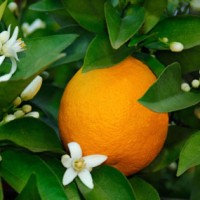
Neroli (Citrus aurantium var. amara), also known as orange blossom, is derived from the delicate flowers of the bitter orange tree, a member of the Rutaceae family. This evergreen tree is known for its multiple uses, as its leaves are used to produce Petitgrain essential oil, its fruit yields Orange essential oil, and its blossoms create the exquisite Neroli essential oil.
Physical Characteristics
- Tree: The bitter orange tree is a small to medium-sized evergreen, growing up to 20–30 feet tall, with dark green, glossy, oval-shaped leaves that alternate along its branches.
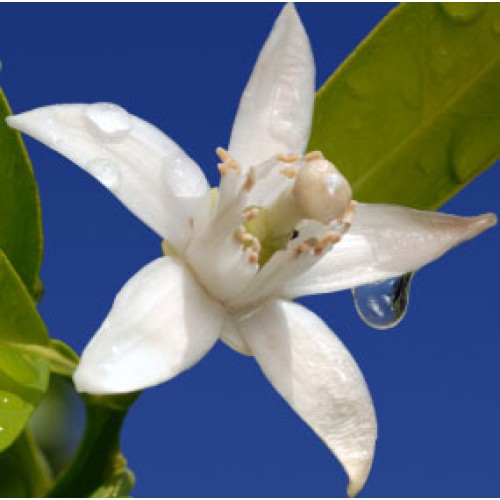
- Flowers: The star-shaped white blossoms grow in clusters and are highly aromatic, exuding a sweet, floral scent. These blossoms are the source of Neroli essential oil.
- Fruit: The tree produces small, round, orange-colored fruits with a slightly bitter taste, often used in culinary and medicinal applications.
Native Habitat and Growth Conditions
- Native Regions: The bitter orange tree originated in Southeast Asia and was introduced to the Mediterranean by Arab traders. It has since become widely cultivated in regions like Italy, Tunisia, and Morocco.
- Cultivation: Bitter orange trees thrive in subtropical climates with plenty of warmth and sunlight. Major production of Neroli essential oil occurs in Tunisia, Morocco, and Egypt, where conditions are ideal for the blossoms’ growth and harvest.
Part of the Plant Used for Neroli:
Neroli essential oil is steam-distilled from the freshly picked blossoms of the bitter orange tree. These fragile flowers must be harvested with care and processed quickly to maintain their therapeutic and aromatic qualities. The labor-intensive process highlights the importance of precision and care in creating high-quality Neroli essential oil.