
Every order ships USPS Priority — $10.95 flat-rate USPS Priority shipping on all US orders, no minimum. Free shipping on domestic orders over $299.
Welcome to Stillpoint. Subscribe to our newsletter for sale details and new-product news · One discount code per order · Every order is hand-poured, packed with care in ceremony, and shipped as we receive it.

May Chang Essential Oil | Citronellal | Green

Litsea cubeba

  • May Chang Essential Oil | Citronellal | Green

Average Rating: (see reviews)

$10.00 Ex Tax: $10.00
GC/MS Report
Current: Summer 2015

GC/MS Report

Batch: may2015 (Summer 2015)
Distilled: August 2015

Gas Chromatography Analysis (%)

Monoterpenes

d-limonene 7.86
α-pinene 1.01
β-pinene 0.48
myrcene 0.29
para-cymene 0.25
α-thujene 0.19
sabinene 0.16
γ-terpinene 0.16
terpinolene 0.07
camphene 0.03
α-terpinene 0.03
δ-3-carene 0.03

Monoterpenols

citronellol 2.19
linalol 1.70
isopulegol 1.46
cis-trans-Geranyl linalool 0.48
geraniol 0.35
α-terpineol 0.27
terpinen-4-ol 0.16

Sesquiterpenes

β-caryophyllene 0.53
α-copaene 0.44
δ-cadinene 0.07
α-humulene 0.05

Esters

citronellic acid 1.11
cis-sabinene hydrate 0.26
citronellyl formate 0.06
α-terpinyl acetate 0.04

Aliphatic Aldehydes

citronellal 60.55
geranial 6.78
neral 4.22
Bergamal 0.73
cis-Isocitral 0.38
Citriodiol acetal 0.15

Ketones

6-methyl-5-hepten-2-one 2.21
isomenthone 0.05

Oxides

1,8-cineole 1.29
caryophyllene oxide 0.24
trans-Carvone oxide 0.21
cis-rose oxide 0.12
Rosefuran epoxide 0.09
cis-Limonene oxide 0.06
trans-rose oxide 0.05
trans-limonene oxide 0.04

Essential Facts

  • Latin Name: Litsea cubeba
  • Country of Origin: Bahamas
  • Botanical Family: Lauraceae
  • Plant Parts: Fresh ripe fruit
  • Note Classification: Top/Middle
  • Cultivation Method: Unsprayed
  • Method of Extraction: Steam or Hydro Distillation
  • Extraction Date: August 2024
  • Approx. Shelf Life: 5 years
  • Chemical Family: Aldehydes
  • Batch: maychangcitronel
  • Aroma: Astringent, Fresh, Lemony, Pungent, Slightly sweet, Strong
  • Energetic Applications: 4th Chakra - unconditional love
  • Therapeutic Properties: Analgesic, Anti-anxiety, Anti-bacterial, Anti-convulsant, Anti-depressant, Anti-fungal, Anti-inflammatory, Anti-microbial, Anti-spasmodic, Anti-viral, Insect repellent, Sedative
Notes & Use

Personal Use

May Chang is a familiar oil to many people, but it doesn’t always show up the same way. This particular May Chang is not the sharp, lemon-cleaner style. It is a greener, softer expression, with citrus brightness held inside a more herbal, rounded aroma. This profile comes from a higher presence of
citronellal
in the natural chemistry of the oil.

When experienced through inhalation, May Chang is traditionally used in aromatherapy for its uplifting and clarifying effects. Oils rich in citral and citronellal have been studied for their effects on mood and nervous system response, particularly when absorbed through the olfactory route. All the science language aside, what this means in real life is that May Chang can help clear mental fog, lift heaviness, and support emotional steadiness without overstimulation.

We have used May Chang essential oil in formulations intended to support antibacterial, antiviral, and antifungal environments, particularly in blends designed for air purification, seasonal support, and general wellness practices.

May Chang also has notable respiratory-supportive qualities. When diffused or used in steam inhalation, it is traditionally used to help open the breath, ease sinus congestion, and support clearer respiration, especially when a sharp eucalyptus-style aroma feels too aggressive.

Traditional Use

Uplifting, Clarifying & Respiratory Support

Supporting Mental Clarity & Cognitive Function
May Chang essential oil is rich in aromatic aldehydes, including citral and citronellal, which have been studied for their effects on the nervous system when inhaled. Some research suggests that these compounds may help support mental clarity, alertness, and cognitive performance by influencing neurotransmitter activity and reducing mental fatigue. Traditionally, May Chang has been used when the mind feels dull, scattered, or weighed down.

Supporting Respiratory Comfort
May Chang has a long history of traditional use for respiratory support, particularly through inhalation. When diffused or used in steam inhalation, it may help ease feelings of congestion and support clearer breathing. Its bright but balanced citrus profile makes it a gentler alternative for those who find stronger eucalyptus or camphor-rich oils overwhelming.

Supporting Antibacterial & Antifungal Environments
Several studies have shown that Litsea cubeba essential oil exhibits antibacterial and antifungal activity against a range of microorganisms. Traditionally, May Chang has been used in blends intended to support clean environments, air purification, and seasonal wellness practices.

Supporting Inflammatory Balance
Some research suggests that constituents found in May Chang may help modulate inflammatory responses. While not a replacement for medical treatment, May Chang has traditionally been used in wellness practices aimed at supporting comfort and balance during periods of physical stress.

Supporting Emotional Balance & Stress Response
May Chang is widely used in aromatherapy for its uplifting and emotionally supportive qualities. Inhalation of citrus-aldehyde–rich oils has been associated with reduced stress markers and improved mood in various studies. Traditionally, May Chang is used to help lighten emotional heaviness, reduce tension, and support a more balanced stress response.

Supporting the Immune System
May Chang has been traditionally included in blends intended to support immune resilience, particularly during times of seasonal challenge. Its use in diffused environments is thought to support the body’s natural defenses while also contributing to emotional well-being, which plays an important role in overall immune health.

Insect Repellent
Due to its citronellal content, May Chang has traditionally been used as a natural insect deterrent. Studies have shown that citronellal-rich oils may help repel certain insects, making May Chang a useful component in natural outdoor and environmental blends.

Botany

Size:
May Chang is a small to medium-sized evergreen tree that typically grows between 5–12 meters (16–40 feet) in height. In cultivation, it is often maintained at a smaller size for harvesting.

Leaves:
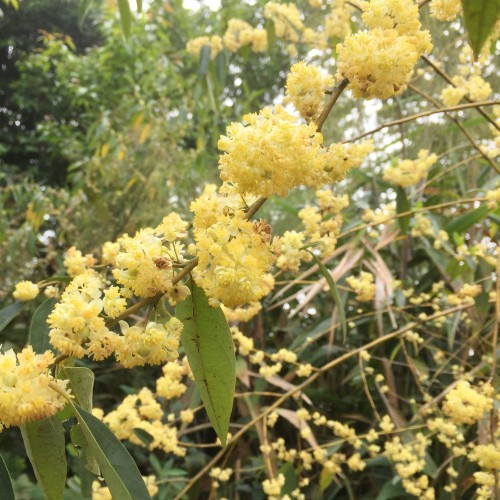
The leaves are lance-shaped to elliptic, smooth-edged, and glossy, usually 6–11 cm (2.5–4.5 inches) long. They are arranged alternately along the branches and release a citrus aroma when crushed.

Bark:
The bark is grayish-brown to light brown, relatively smooth when young and becoming more textured with age.

Flowers:
May Chang produces small, yellowish-white flowers that grow in clusters. The flowers are not showy but are highly aromatic and attractive to pollinators.

Fruit:
The plant is best known for its small, round berries, approximately 4–6 mm in diameter. The fruits are green when immature and turn dark brown to black as they ripen. These berries are the primary source of May Chang essential oil.

Seeds:
Each berry contains a single seed. The high oil content of the fruit makes it particularly suitable for steam distillation.

Growth Conditions:
May Chang prefers warm, humid climates and grows well in well-drained soils. It thrives in subtropical regions and is commonly cultivated in parts of China, Southeast Asia, and surrounding regions. The tree does best in full sun to partial shade.

Cultural & Agricultural Notes:
Litsea cubeba has a long history of use in traditional practices across Asia. The fruits have been used in regional cuisine and folk medicine, while the essential oil distilled from the berries has become widely valued for its aromatic and functional properties.

Energetics

Energetic Properties

May Chang essential oil is a powerful energetic cleanser and mood lifter. Where Hinoki grounds and protects, May Chang clears, lightens, and resets. It is especially useful when the emotional field feels heavy, stagnant, or cluttered.

Energetically, May Chang helps clear mental congestion and emotional overwhelm. It supports a return to clarity when thoughts feel tangled or repetitive. Many people experience it as gently antidepressant in tone — not sedating, but brightening, restoring a sense of order and optimism.

May Chang is also considered a protective oil, particularly on an energetic and emotional level. It helps establish clear boundaries, clears residual emotional energy from a space, and supports moving out of stuck emotional patterns. It is excellent for “resetting the room” after stress, conflict, illness, or long days.

Because of its clearing nature, May Chang is often used during meditation when the mind feels noisy rather than quiet. It helps sweep the mental slate clean so focus and presence can return naturally.

Solar Plexus Chakra
May Chang resonates strongly with the Solar Plexus Chakra, supporting confidence, clarity, and personal power. It can help when decision-making feels clouded or when self-trust has been shaken.
Diffuse May Chang during journaling, therapy work, or moments requiring clear boundaries and self-direction.

Heart Chakra
While not as soft or emotional as floral oils, May Chang supports the Heart Chakra by lifting emotional heaviness and easing emotional fatigue. It can help move grief, discouragement, or emotional stagnation without forcing release.
Use during breathwork or quiet reflection when emotional lightness is needed.

Third Eye Chakra
May Chang supports the clearing aspect of the Third Eye — helping remove mental clutter rather than inducing visions or altered states. It sharpens perception, supports insight, and helps bring scattered awareness back into focus.
Diffuse during meditation when clarity is needed more than depth.

Energetic Healing
May Chang is well suited for use in energy work, Reiki, and nervous-system–informed practices where clearing and recalibration are needed. It supports restoring balance after stress or emotional overload.

Space Clearing & Purification
Use May Chang essential oil to clear stagnant or heavy energy from rooms, especially after illness, emotional events, or periods of intense work. It refreshes the energetic atmosphere without feeling heavy or intrusive.

Emotional Reset Rituals
May Chang is ideal for rituals focused on new beginnings, mental clarity, and emotional reset. It pairs well with intentions around letting go of overwhelm, reclaiming focus, and stepping forward with renewed clarity.

Meditation & Emotional Support
Unlike grounding woods, May Chang is best used when meditation feels foggy or dull. It supports alert calm, emotional lift, and mental clarity rather than deep inward descent.

Traditional & Folklore

May Chang has a long history in Chinese and Southeast Asian folk traditions, where the plant has been valued for both its aromatic fruit and its ability to bring clarity, order, and balance. While not considered a “sacred timber” tree like Hinoki, May Chang has been deeply woven into everyday life as a protector, cleanser, and harmonizer.

In traditional settings, the strongly aromatic berries of Litsea cubeba were used to clear stagnant energy, refresh living spaces, and support emotional and physical resilience during times of stress, illness, or seasonal transition. The bright, penetrating scent was believed to chase away heaviness — both literal and symbolic.

Symbol of Cleansing & Renewal
May Chang has long been associated with cleansing and renewal. Its sharp yet balanced citrus aroma made it a natural choice for clearing kitchens, sick rooms, and communal spaces. In folk practice, this cleansing quality extended beyond hygiene into the energetic realm — clearing confusion, emotional stagnation, and lingering influences from difficult experiences.

Guardian of the Household
In some regional traditions, aromatic plants like May Chang were used as household guardians, believed to help protect the home from misfortune, illness, and disruptive influences. The fruit and leaves were sometimes burned or steeped to refresh the air and restore harmony after conflict or upheaval.

Emotional & Mental Brightener
Folklore surrounding May Chang often points to its role as a spirit-lifter. It was traditionally used when morale was low, when grief or fatigue weighed heavily, or when clarity was needed to move forward. Unlike sedating plants, May Chang was valued for helping people regain momentum and emotional lightness.

Use in Traditional Remedies & Rituals
The fruits of Litsea cubeba have been used in traditional remedies and preparations intended to support digestion, circulation, and resilience. Aromatically, May Chang was often included in seasonal rituals marking change — shifts between monsoon and dry seasons, planting and harvest cycles, or periods of illness and recovery.

Relationship to Movement & Trade
May Chang grows in regions historically connected to trade routes, and its bright, distinctive aroma made it a recognizable and valued plant in local markets. This association lends the plant a folkloric connection to movement, transition, and exchange — carrying freshness and vitality from place to place.

Folk Symbolism
In folklore, May Chang is often associated with:
  • Light after heaviness
  • Clarity after confusion
  • Fresh starts and emotional reset
  • Protective brightness rather than deep grounding
It is a plant of forward motion, helping clear what lingers so something new can take shape.
Chemistry

Chemical Components

This May Chang is citronellal-forward, and you can smell it immediately. The aroma is green-citrus, soft, slightly herbal, and quietly protective. It is not the sharp, lemon-cleaner version of May Chang. There’s no “Pledge” brightness here. Instead, the scent feels rounder, steadier, and more restrained — citrus with backbone.

This profile carries clarity without edge. It clears without overstimulating, making it especially useful when the nervous system is already taxed or when sharper citrus oils feel like too much.
 
Main Chemical Families
Aromatic Aldehydes (Primary)
(Citronellal with supporting citral — neral + geranial)
  • Citronellal contributes the green, citronella-adjacent citrus tone
  • Known for antimicrobial, insect-repellent, and respiratory-supportive properties
  • Acts through the olfactory system to support clarity and alert calm
  • Feels stabilizing rather than stimulating in this expression
This chemistry explains why the oil feels protective, clarifying, and steady, rather than bright or sparkling.
Monoterpenes (Secondary)
  • Add freshness and lightness
  • Support airways and circulation
  • Keep the oil from feeling heavy or dull
Minor Components
Small amounts of additional aromatic constituents may be present depending on growing conditions and distillation, but this oil is clearly aldehyde-led, with citronellal shaping both its aroma and function.

Therapeutic Implications of This Chemistry
  • Clearing without agitation: Helps clear mental fog and emotional heaviness without pushing the nervous system
  • Respiratory support: Opens the breath gently, especially when camphoraceous oils feel too strong
  • Environmental protection: Useful in blends for air cleansing and natural insect deterrence
  • Emotional steadiness: Supports boundaries, focus, and a calm return to center
This chemistry doesn’t rush or sparkle.

It clears the field quietly, steadies the system, and restores order without force.
This is May Chang for people who want clarity with restraint — citrus that knows when to stop.
Safety Etc.

Safety Information

May Chang essential oil is generally considered non-toxic when used appropriately, but due to its aldehyde-rich chemistry, it requires respectful dilution, especially for topical use. Both profiles are best used with care on the skin and shine most clearly through inhalation and diffusion.

Citronellal-Forward (Green Citrus Profile)
This profile is gentler and steadier than the sharp lemon version, but it is still aldehyde-dominant and should be diluted appropriately.

Topical Use:
Recommended dilution is 0.5–1% for most applications. Suitable for short-term topical use in blends intended for respiratory support, environmental applications, or emotional support.

Skin Sensitization:
May cause skin sensitization in some individuals due to citronellal content. A patch test is recommended before topical use.

Phototoxicity:
Not known to be phototoxic.

Internal Use:
Not recommended unless under the supervision of a qualified practitioner.

Pregnancy & Lactation:
Use with caution. Not recommended during the first trimester.

Pediatric Use:
Not recommended for young children. May be used with caution in children over 10 years old when well diluted and used aromatically rather than topically.

Storage:
Store in a cool, dark place away from heat and light to preserve aldehyde stability.
This profile is often better tolerated by those who find very sharp citrus oils overstimulating, but it still benefits from moderation and respect.

Citral-Dominant (Bright Lemon Profile)
This profile is more intense and more sensitizing, reflecting its high citral content.

Topical Use:
Recommended dilution is no more than 0.5%. Best reserved for limited, localized use rather than full-body application.

Skin Sensitization:
Higher risk of skin sensitization due to citral (neral and geranial). Patch testing is strongly advised.

Phototoxicity:
Not known to be phototoxic.

Internal Use:
Not recommended unless supervised by a qualified practitioner.

Pregnancy & Lactation:
Use with caution. Avoid during the first trimester.

Pediatric Use:
Not recommended for topical use in children. Aromatic use only, with careful diffusion.

Storage:
Store in a cool, dark environment, tightly sealed, to minimize oxidation of aldehydes.
Because of its sharp, activating nature, this profile is best used sparingly and intentionally, especially with sensitive individuals.

General Safety Notes
  • Avoid use on compromised or broken skin
  • Always dilute before topical application
  • Less is more — aldehyde-rich oils are effective at low concentrations
According to Robert Tisserand, no specific systemic toxicity hazards have been identified for May Chang when used appropriately, though skin sensitization is the primary concern due to aldehyde content.

Stillpoint Perspective
May Chang is not a “slather it everywhere” oil.
It’s a precision oil.
Used with intention and restraint, both profiles are safe, effective, and deeply useful — each in its own lane.

Reviews (0)

Write a review

Note: HTML is not translated!
    Bad           Good
Powered By OpenCart
Stillpoint Aromatics © 2026