
Personal Use
(Thymus x citriodorus, USA, high citral chemotype)
This limited reserve Lemon Thyme oil was distilled just for Stillpoint!!!
This limited reserve Lemon Thyme oil was distilled just for Stillpoint!!!
Lemon Thyme might sound familiar—but this isn’t your average garden thyme, and it’s definitely not just about the lemon. At Stillpoint, we work with two very different Lemon Thymes—one from Spain, one from the United States—and understanding their chemistry is everything.
This U.S.-grown Lemon Thyme CO₂ extract carries a bright, citrus-forward aroma with a gentle herbal undercurrent. There’s a softness to it—almost like Melissa’s spirited cousin who’s spent a little time in the garden. The oil has a unique calm-vibrant energy: light enough for emotional blends, strong enough for microbial support.
Unlike the Spanish variety (which is rich in 1,8-cineole), this chemotype is high in citral—a lemony aliphatic aldehyde also found in Melissa and Litsea cubeba. That gives this oil potent antimicrobial, antifungal, and anti-inflammatory properties, alongside its emotionally uplifting and clarifying effects.
Therapeutic Applications
Skin + Fungal Support
This citral-rich Lemon Thyme may help inhibit fungal growth and bacterial overgrowth. It’s especially supportive in blends for athlete’s foot, ringworm, candidiasis, or minor skin irritation when used in proper dilution.
Antimicrobial + Immune Stimulating
Effective against a wide range of microbes, Lemon Thyme (USA) can be a powerful ally in respiratory, skin, and immune blends. It’s strong, but not harsh—making it a more approachable option than some of the hotter thyme oils.
Anti-inflammatory + Wound Support
In topical blends, it may ease minor inflammation, swelling, or infection-prone wounds, thanks to citral’s known anti-inflammatory actions. A great addition to sprays or salves for areas needing both cleansing and calming.
Emotional Clarity + Lightness
This oil is emotionally uplifting, bright, and mentally clearing. It may help in cases of emotional fatigue, heaviness, or low motivation—gently rekindling hope and light. It’s a beautiful support for grief blends that need a touch of lemon-sun clarity without overwhelming stimulation.
Traditional Use
Though not as widely recorded in ancient texts as wild thyme or garden thyme, Lemon Thyme has long held a quiet, confident place in folk medicine and traditional gardens—especially in regions where both citrus and mint-family herbs thrive.
A natural hybrid of thyme and citronella-like species, this plant was cultivated not only for its distinctive lemony flavor and aroma, but also for its broad therapeutic potential.
Historically, it’s been used in:
Historically, it’s been used in:
Traditional Digestive and Carminative Blends
Lemon Thyme has been steeped in teas and tonics to support digestion, reduce bloating, and calm nervous indigestion. Its gentle bitterness and light citrus notes made it both pleasant and effective in post-meal preparations.
Respiratory and Immune Support
In folk traditions, especially in temperate North America, Lemon Thyme was used in steams and herbal infusions to address cough, bronchial tension, and colds. Though gentler than other thymes, it was considered a cleansing and expectorant plant, particularly helpful during seasonal transitions.
Skin + Fungal Concerns
The leaves were often included in skin rinses or poultices to help with minor infections, fungal irritation, and general skin hygiene—a use that aligns with its citral content and antifungal properties.
Uplifting the Mood + Lightening the Heart
Lemon Thyme has also been considered a “light bringer”—used to lift spirits, encourage emotional reset, and bring clarity when mental or emotional energy felt heavy. Its scent was said to encourage joy, confidence, and forward movement.
Botany
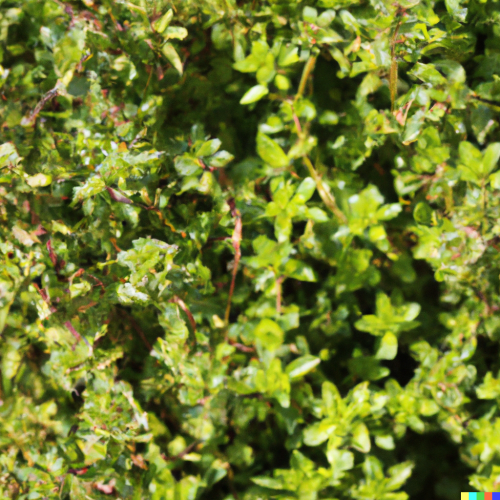
Lemon Thyme (Thymus × citriodorus) is a hybrid perennial herb in the Lamiaceae family—an intentional cross between common thyme (Thymus vulgaris) and lemon-scented species like Thymus pulegioides or citronella thyme. While it shares the square stems and tight whorls of tiny flowers common to all mint family plants, it distinguishes itself with a fresh, citrusy aroma, fine-textured leaves, and softer energetic presence.
Unlike the Spanish Lemon Thyme (Thymus hyemalis), which is rich in cineole, this American variety leans into its citral-rich chemistry, giving it a brighter, more emotionally expansive quality. It thrives in sun-drenched soils, and once established, grows with quiet tenacity—spreading outward, holding ground, and releasing its lemony scent with even the lightest touch.
Botanical Name: Thymus × citriodorus
Family: Lamiaceae
Common Names: Lemon Thyme, Garden Lemon Thyme
Plant Type: Aromatic evergreen subshrub
Part Used for Extraction: Flowering aerial parts
Growth Habit: Low-growing, dense shrub, typically 25–45 cm in height
Flowering Season: Late spring to early summer
Harvest Time for Extraction: Full bloom, when citral content is highest
Common Names: Lemon Thyme, Garden Lemon Thyme
Plant Type: Aromatic evergreen subshrub
Part Used for Extraction: Flowering aerial parts
Growth Habit: Low-growing, dense shrub, typically 25–45 cm in height
Flowering Season: Late spring to early summer
Harvest Time for Extraction: Full bloom, when citral content is highest
Physical Characteristics:
-
Leaves: Small, narrow, bright green to golden-tinged; release a strong lemon-herbal aroma when crushed
-
Stems: Square, woody at the base—typical of the mint family
-
Flowers: Tiny, pale lavender to pinkish-white; form dense clusters at the top of the plant
-
Roots: Shallow, fibrous, with strong surface grip—thrives in light, well-drained soil
Native Habitat + Growth Conditions:
-
Native To: Cultivated in gardens worldwide; this variety is grown in the U.S.
-
Preferred Soil: Well-drained, sandy to loamy soils
-
Sunlight: Full sun
-
Climate: Warm, temperate regions with dry summers
-
Ecological Notes: Attracts bees and pollinators; drought tolerant once established
Energetic Botanical Signature
Lemon Thyme grows low to the earth, but its scent lifts. That’s the message of this plant: Stay rooted, but rise. Its hybrid nature—born of two species—embodies adaptation and alchemical union. It’s a plant that teaches how to hold opposites: citrus and herb, bold and soft, clearing and calming.
Its square stems offer structure, while its fine, aromatic leaves speak to subtlety and release. This is a plant that holds space without force, moving what’s stagnant without pushing. You could say it teaches emotional and spiritual detox—not the aggressive kind, but the kind that happens when light simply returns.
Lemon Thyme invites you to reclaim your joy, to clear away what isn’t yours, and to step forward with discernment and brightness.
