
Every order ships USPS Priority — $10.95 flat-rate USPS Priority shipping on all US orders, no minimum. Free shipping on domestic orders over $299.
Welcome to Stillpoint. Subscribe to our newsletter for sale details and new-product news · One discount code per order · Every order is hand-poured, packed with care in ceremony, and shipped as we receive it.

Nagarmotha Essential Oil | Digestive, Skin, and Respiratory Support

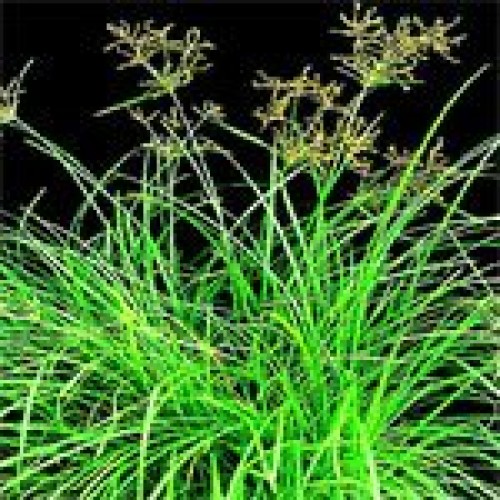
Cyperus rotundus

  • Nagarmotha Essential Oil | Digestive, Skin, and Respiratory Support

Average Rating: (see reviews)

$15.00 Ex Tax: $15.00

GC/MS Report

Gas Chromatography Analysis (%)

Monoterpenes

β-pinene 1.74
α-pinene 1.01
d-limonene 0.16

Monoterpenols

trans-pinocarveol 0.73

Sesquiterpenols

isospathulenol 0.35
1-epi-cubenol 0.33
cubenol 0.32

Sesquiterpenes

cyperene 22.13
α-copaene 4.48
valencene 3.80
γ-cadinene 2.43
β-selinene 2.28
γ-gurjunene 1.85
α-selinene 1.50
β-caryophyllene 0.98
aromadendrene 0.82
α--bulnesene 0.82
trans-calamenene 0.62
α-calacorene 0.62
aristolochene 0.45
α-humulene 0.38
β-elemene 0.35

Aliphatic Aldehydes

myrtenal 1.05

Ketones

nootkatone 0.83
β-oplopenone 0.35

Oxides

caryophyllene oxide 6.12
Humulene epoxide II 1.70
Cyperene epoxide 1.56
Isocaryphyllene oxide 0.47

Essential Facts

  • Latin Name: Cyperus rotundus
  • Country of Origin: Bahamas
  • Botanical Family: Cyperaceae
  • Plant Parts: Rhizome
  • Note Classification: Base
  • Cultivation Method: Wild Harvested
  • Method of Extraction: Steam or Hydro Distillation
  • Extraction Date: April 2022
  • Approx. Shelf Life: 10 + years
  • Chemical Family: Ketones, Sesquiterpenes
  • Batch: nagarm
  • Aroma: Balsamic, Earthy, Exotic, Musky, Resinous, Rich, Slightly spicy, Warm, Woody
  • Energetic Applications: 1st Chakra - survival and support, 2nd Chakra - relationships, creation energy, 3rd Chakra - personal power, 7th Chakra - higher information, Balancing, Clarity, Grounding, Introspective, Meditative, Purifying, Source Energy
  • Therapeutic Properties: Anti-allergenic, Anti-anxiety, Anti-asthmatic, Anti-emetic, Anti-inflammatory, Anti-parasitic, Anti-tussive, Calming, Carminative, Cephalic, Cicatrisant, CNS tonic, Deodorant, Digestive stimulant, Digestive tonic, Febrifuge, Hormone balancer, Insect repellent, Sedative, Stomachic, Tonic, Uterine tonic, Wound healing
Notes & Use

Personal Use

Nagarmotha Essential Oil (Cyperus rotundus)

Earth | Smoke | Shadowed Light

Nagarmotha rises from the soil like an old story—earthy, resinous, and quietly complex. Her scent opens dry and rooty, then drifts into something smoky, mysterious, almost ancient. There’s a pulse beneath her, like the steady thrum of the earth itself.

She doesn’t sparkle or seduce—she steadies. She meets you where the mind quiets and the body remembers. Her aroma carries that paradoxical Stillpoint tension: the scent of loam and smoke, of stillness and movement, of decay giving way to renewal.

Energetically, she speaks to the shadow side of grounding—the kind that asks you to stay, not escape. She clears confusion, stabilizes excess energy, and anchors those who tend to hover above their own lives. Yet within her rootedness, she stirs the inner vision. She awakens the subterranean wisdom—the dreams, the archetypes, the long-forgotten knowing that waits beneath the surface.

Stillpoint’s Nagarmotha essential oil is wild-harvested and steam-distilled from the rhizome of Cyperus rotundus in India. Traditionally revered in Ayurveda for balancing Vata and Kapha, she has long been used to restore harmony to mind, skin, and spirit.

She is the medicine of deep rooting and revelation—an ally for coming home to yourself and remembering what has been buried beneath the noise.

Therapeutic Applications

Digestive + Detoxification Support
Traditionally, Nagarmotha has been used in Ayurveda to support healthy digestion, ease bloating, and help the body process what it has taken in—physically and emotionally.

Her sesquiterpene-rich profile may help regulate the gut-brain axis, calm intestinal spasms, and assist in detoxification through gentle liver and lymphatic stimulation.

She can be massaged over the abdomen (diluted, of course) or diffused after meals to encourage grounding and balance.

Skin Clarity + Inflammation Relief
Known for her purifying and cooling actions, Nagarmotha may help calm inflammatory skin conditions, including acne, irritation, and excess oil production.
She supports cellular repair and balance, particularly when the skin is reactive or congested.

In blends, she pairs beautifully with Sandalwood, Frankincense, or Lavender to promote clarity, tone, and resilience.

Respiratory + Immune System Support
Her grounding, slightly smoky nature helps clear the air—both literally and energetically.
Nagarmotha may assist in easing congestion, soothing coughs, and supporting the immune response during seasonal challenges.
Diffuse or add to a chest balm with Myrrh or Cedarwood to deepen breath and calm irritation.

Nervous System + Emotional Regulation
Nagarmotha’s true gift lies in her ability to settle the nervous system.
She doesn’t sedate—she stabilizes.

Her quiet depth may help soothe anxiety, restlessness, and emotional volatility, creating a sense of grounded stillness even when life feels chaotic.
She blends beautifully with Vetiver, Spikenard, or Cistus for deep restoration and nervous system recalibration

Traditional Use

Traditional Use of Nagarmotha | Purification, Grounding & Energetic Clarity
Nagarmotha’s story stretches back thousands of years. In Ayurvedic medicine, she has long been honored as a balancer of opposites—cooling what burns too hot, invigorating what has gone stagnant, and restoring harmony where energy has scattered. Known as Mustaka or Nutgrass, she has been used in India, Egypt, and parts of Africa as a root of purification and equilibrium.

Digestive Harmony + Detoxification
Nagarmotha’s rhizome has traditionally been used to ease indigestion, gas, and sluggish elimination. Decoctions and powders were prepared to stimulate appetite and restore proper digestive “agni,” the inner fire of metabolism.

She was also used to support liver function and detoxification—helping the body release excess heat, toxins, or emotional residue.

Skin + Blood Purification
In Ayurvedic and Unani traditions, Nagarmotha was seen as a cleanser of both the skin and the blood. Her cooling, astringent nature made her valuable in preparations for acne, eczema, or skin irritation associated with excess Pitta (heat) in the system.
She was often combined with sandalwood, turmeric, or vetiver in pastes and aromatic waters to promote clarity, radiance, and equilibrium.

Fever + Inflammation Support
Root decoctions were commonly used to lower fevers, soothe inflammatory conditions, and bring cooling relief to the body during heat-related ailments.
Energetically, she was said to “cool the fire within”—calming agitation, restlessness, or emotional overheating.

Spiritual + Energetic Cleansing
Nagarmotha has deep ceremonial roots. In spiritual practice, she was burned as incense to purify spaces, dispel negative energy, and invoke grounding presence before meditation or prayer.

She is known to clear the subtle body of stagnant or chaotic energy, helping the practitioner re-center and re-root. In this way, she bridges the physical and the etheric—cleansing both the air and the aura.

Restoration + Rooted Awareness
Used as a tonic for fatigue, instability, or scattered energy, Nagarmotha helps bring strength back to the “roots”—both physical and subtle.
She restores equilibrium after illness, loss, or depletion, reminding the body of its structure and the soul of its depth.

She is not only a purifier of the body but of the unseen—an oil that steadies the current, clears the channel, and invites clarity to rise from the depths.

Botany

Cyperus rotundus, commonly known as Nagarmotha or Nutgrass, is a perennial sedge belonging to the Cyperaceae family. Though often mistaken for a common weed, she is anything but ordinary. Beneath the soil, she forms an intricate network of aromatic rhizomes—her true power source—where her medicine lives and breathes.

Her essential oil is steam-distilled from the rhizomes, which store the volatile compounds that carry her distinctive earthy, smoky aroma and therapeutic potency. In her native habitats across India, Egypt, and Southeast Asia, she thrives in poor, dry, or disturbed soil—land where other plants might surrender. She endures drought, heat, and hardship with quiet persistence.

Botanical Name: Cyperus rotundus
Family: Cyperaceae
Common Names: Nagarmotha, Mustaka, Nutgrass, Purple Nut Sedge
Plant Type: Perennial sedge
Part Used for Distillation: Rhizome (root)
Growth Habit: Low-growing, grass-like plant spreading through underground tubers and rhizomes
Flowering Season: Warm months; typically late spring through autumn
Harvest Time for Distillation: Late dry season, when the rhizomes’ essential oil content is most concentrated

Physical Characteristics
Leaves: Long, narrow, grass-like leaves with a glossy green surface and sharp taper; they form loose rosettes that emerge directly from the ground.
Stems: Triangular and fibrous, characteristic of the sedge family.
Rhizomes: Aromatic, knotty, brownish-purple tubers that spread horizontally beneath the soil; the source of the essential oil.
Flowers: Small, reddish-brown spikelets borne on slender stems above the foliage; delicate and understated.
Roots: A dense mat of interlocking rhizomes that bind and stabilize the soil.

Native Habitat + Growth Conditions
Native To: India, Egypt, Southeast Asia, tropical and subtropical regions worldwide
Preferred Soil: Well-drained, sandy or loamy soils; tolerates poor or disturbed ground
Sunlight: Full sun to partial shade
Climate: Warm, tropical to subtropical climates; drought-tolerant but resilient across varied moisture levels
Ecological Notes: Considered both medicinal and regenerative; while often labeled invasive, her presence restores balance to overworked or eroded soil—she stabilizes what has been disturbed.

Energetic Botanical Signature
Nagarmotha is the shadow healer of the soil. She grows where imbalance exists—cracked earth, overused fields, forgotten corners—and she restores coherence quietly, from underneath. Her medicine mirrors her behavior: she goes deep, works unseen, and brings equilibrium to what has lost its center.

She teaches us that what is buried is not lost—it is storing wisdom. Her tangled rhizomes speak of complexity and interconnection; her resilience reminds us that healing is not about erasing what was, but rooting into what remains.

She is the one who steadies the ground beneath you when everything else feels unstable.
Energetics

Energetic Properties

Energetic, Spiritual, and Emotional Qualities of Nagarmotha | Rooted Awareness & Shadow Alchemy

Energetic Themes: Grounded Vision • Inner Stillness • Alchemy of Shadow
Nagarmotha doesn’t just root you—she reorients you to what’s real. Her energy moves down and in, calling the scattered parts of self back into coherence. She teaches you to hold the tension between light and dark without trying to fix either.

She’s the oil for when you’ve been spinning in your head, over-analyzing, reaching for spirit but forgetting the soil. Her medicine is descent—the sacred kind. She reminds you that clarity doesn’t always come from light; sometimes it comes from sitting quietly in the dark until your eyes adjust.

This is slow, deliberate alchemy—the grounding of the visionary, the centering of the empath, the stabilizing of the one who feels too much. She doesn’t force calm or chase transcendence. She creates the conditions where presence becomes possible.

Energetic Themes:
  • Grounding scattered or anxious energy into embodied awareness
  • Integrating shadow aspects of self without judgment or resistance
  • Releasing emotional heat, irritation, or excess “mental fire”
  • Restoring equilibrium after psychic overload or energetic exhaustion
  • Encouraging discernment, boundaries, and quiet confidence
  • Deepening meditative and trance states through rooted clarity

Spiritual Use:
Nagarmotha is a bridge between the underworld and the breath. She supports root and solar plexus chakra work—helping you feel safe enough to see clearly, and clear enough to stay grounded.

Use her when you need to descend without fear—in ritual, ceremony, or during deep inner inquiry. She creates an energetic container strong enough to hold transformation without fragmentation.

Beautifully supportive in blends with Vetiver, Cistus, Myrrh, or Spikenard for grounding shadow work, integration after ceremony, or when reclaiming power after disorientation or trauma.

She doesn’t lift you out—she brings you back in. She teaches that freedom isn’t about escaping the body; it’s about feeling safe enough to live fully inside it.

Traditional & Folklore

Traditional Folklore of Nagarmotha | The Root of Stillness and Shadow

Across India and Egypt, Nagarmotha has long been more than a weed—it is a sacred root of clarity, balance, and purification. Her name appears in Ayurvedic, Unani, and ancient Egyptian texts, often associated with cooling the heat of the mind, the body, and the spirit. In Sanskrit, she is called Mustaka, meaning “that which brings balance.”
 
Root of Purification + Clarity
Her rhizomes were dried, powdered, and burned in temple fires to clear negative energy and stagnant air. In Ayurvedic homes, Nagarmotha was kept as a house protector—her dried roots hung near doorways to absorb excess heat and emotion, both literal and energetic.
In village traditions, she was used to anoint those who had been through illness or mourning—her grounding, smoky scent guiding the spirit gently back into the body.
 
Medicine of Earth and Equilibrium
Nagarmotha’s reputation as a cooling and harmonizing plant made her a healer of imbalance. She was added to sacred bathing waters to reduce inner heat, and blended with sandalwood or vetiver for ceremonial anointing oils that restored composure after deep spiritual or emotional experiences.
Her presence in smoke rituals and cleansing blends symbolized the restoration of rhythm—the body returning to breath, the heart returning to stillness.
 
Cultural + Ritual Significance
In ancient Egypt, sedges like Nagarmotha were part of embalming and purification rites, representing the eternal cycle of decay and renewal. Her scent was said to accompany the soul as it transitioned—anchoring the living while honoring the dead.
 
In Indian ritual, she was offered to Lord Vishnu and Lord Shiva to invite stability, calm, and awareness. Her earthy essence bridged heaven and soil, a reminder that the divine is not somewhere above—it’s beneath your feet.

She is the quiet keeper of thresholds—the one who cools the fever of the spirit, who steadies you through transition, and who reminds you that purification is not about removal but remembrance.
Chemistry

Chemical Components

Aroma-Chemistry of Nagarmotha | Rooted Awareness & Shadow Alchemy
Nagarmotha’s chemistry is as mysterious as her scent—earthy, smoky, leathery, and faintly sweet, with an undercurrent of resin and root. She doesn’t announce herself with brightness or bloom. She lingers, anchoring you in a grounded, contemplative state. Her aroma is the embodiment of stillness after the storm—the scent of soil cooling once the fire has burned out.

Chemically, she is a sesquiterpene-rich oil with a complex matrix of ketones, alcohols, and hydrocarbons that create her stabilizing, cooling, and harmonizing effects. This is slow-acting medicine: regulating rather than stimulating, integrating rather than lifting.

Main Chemical Families:
Sesquiterpenes (Primary)
  • Provide anti-inflammatory, analgesic, and adaptogenic properties
  • Ground the nervous system and reduce excess “fire” or agitation
  • Offer slow, sustained action—ideal for long-term emotional and physical rebalancing
Sesquiterpenones (α-Cyperone, Cyperotundone, Cyperene)
  • Unique to Cyperus species; support micro-circulation, lymphatic flow, and detoxification
  • Help clear emotional stagnation and energetic congestion—especially in the gut and solar plexus
  • Symbolically associated with purification through descent—helping to metabolize the unprocessed
Monoterpenes & Alcohols (Minor Constituents)
  • Add a subtle brightness and fluidity that keeps the oil from feeling too heavy
  • Support immune resilience and balance respiration during grounding or meditative work

Therapeutic Implications of This Chemistry:
  • Digestive and Lymphatic Support: May help with bloating, sluggish digestion, and detoxification processes
  • Emotional Cooling: Regulates excess heat from anger, stress, or overwhelm
  • Energetic Clarity: Dissolves mental fog and promotes discernment without disconnection
  • Skin and Scalp Balance: Traditionally used to support oily skin, hair health, and minor inflammatory conditions
  • Subtle-Body Alignment: Anchors spiritual insight into somatic awareness—grounding vision into form

Nagarmotha’s chemistry doesn’t chase light—she integrates it. Her molecules teach the body how to cool, settle, and rebuild inner rhythm. In the language of alchemy, she is the distillation of patience and precision—reminding us that clarity arises only when the fire within learns how to rest.
Recipes & Blends

Recipes & Blends

Aroma of Nagarmotha | Rooted Awareness & Shadow Alchemy
Smoky • Earthy • Resinous • Meditative

Nagarmotha’s aroma is unmistakable—deep, smoky, and quietly hypnotic. She opens like damp soil after rain, layered with woodsmoke, leather, and a faint trace of sweetness. There’s nothing floral or flashy here—only the ancient, grounding whisper of roots remembering the dark.

Her scent sits low in the body. She invites breath to drop down into the belly, unclenching the gut, softening the spine, and helping the nervous system find its rhythm again. Used alone, she centers; in blends, she lends depth, mystery, and a cool, earthen gravity.

Recipes and Blends

Rooted Calm Blend
For emotional grounding and nervous system balance
  • Nagarmotha Essential Oil (Cyperus rotundus): 8 drops
  • Vetiver Essential Oil (Vetiveria zizanoides): 6 drops
  • Atlas Cedarwood Essential Oil (Cedrus atlantica): 5 drops
  • Frankincense Essential Oil (Boswellia carterii): 6 drops
  • Bergamot Essential Oil (Citrus bergamia): 5 drops
→ Diffuse or dilute to 2% in carrier oil for a massage blend that centers body and mind.

Digestive Ease & Solar Reset Blend
To ease digestive tension and calm “gut fire” from stress or emotional heat
  • Nagarmotha Essential Oil (Cyperus rotundus): 7 drops
  • Sweet Fennel Essential Oil (Foeniculum vulgare): 5 drops
  • Ginger Essential Oil (Zingiber officinale): 4 drops
  • Sweet Orange Essential Oil (Citrus sinensis): 6 drops
  • Peppermint Essential Oil (Mentha × piperita): 3 drops
→ Apply (diluted to 2%) to the abdomen in gentle circular motion or diffuse before meals.

Shadow Integration Blend
For meditation, ceremony, or deep emotional work
  • Nagarmotha Essential Oil (Cyperus rotundus): 10 drops
  • Myrrh Essential Oil (Commiphora myrrha): 8 drops
  • Spikenard Essential Oil (Nardostachys jatamansi): 6 drops
  • Cistus Essential Oil (Cistus ladanifer): 5 drops
  • Sandalwood Essential Oil (Santalum album): 6 drops
→ Use in a diffuser or anoint diluted at 1–2% on the soles of the feet, back of the neck, or solar plexus before meditation or journaling.

Safety + Use Guidelines
Always dilute essential oils before topical use. A 1–2% dilution is typically safe for adults. Perform a patch test before first application. Avoid internal use unless under the guidance of a qualified professional. Consult your healthcare provider or certified aromatherapist if pregnant, nursing, or under medical care.

Safety Etc.

Safety Information

Safety Information for Nagarmotha | Rooted Awareness & Shadow Alchemy
Nagarmotha (Cyperus rotundus) essential oil is generally considered non-toxic, non-irritating, and non-sensitizing when used appropriately. Her chemistry, rich in sesquiterpenes and ketones such as α-cyperone and cyperotundone, gives her a grounding, stabilizing quality that is gentle on the skin and suitable for long-term aromatic or topical use in low dilution.

Topical Use:
Recommended dilution is 1–2% for most applications. Suitable for abdominal massage, grounding blends, lymphatic support, and meditative anointing. Perform a patch test before first use, particularly for those with sensitive skin.

Phototoxicity:
Not known to be phototoxic.

Internal Use:
Not recommended for internal use unless under the supervision of a qualified practitioner. While Nagarmotha has been used in traditional Ayurvedic medicine for digestive and detoxifying purposes, these preparations differ from aromatherapeutic use of the essential oil.

Pregnancy & Lactation:
Use with caution during pregnancy. Avoid during the first trimester unless directed by a qualified professional.

Pediatric Use:
Safe for children over 6 years old when properly diluted. Not intended for infants or toddlers.

Storage:
Store tightly sealed in a cool, dark place away from direct light and heat to preserve the stability of her sesquiterpenes and ketones. When stored properly, shelf life is approximately 8 years.

Due to her deeply grounding nature, Nagarmotha is a stabilizing oil that supports restoration without overstimulating the system. She pairs beautifully with Vetiver, Frankincense, and Sandalwood for long-term energetic or structural balancing.

References

Battaglia, S. (2018). The Complete Guide to Aromatherapy, Volume III – Psyche & Subtle. The Perfect Potion. Discusses Nagarmotha’s grounding, meditative nature and its traditional use for emotional balance and spiritual integration.
 
Joshi, S. G. (2000). Medicinal Plants. Oxford & IBH Publishing Co. Identifies Cyperus rotundus as anti-inflammatory, analgesic, and carminative, reinforcing its physical and energetic cooling properties.
 
Kapoor, L. D. (2001). Handbook of Ayurvedic Medicinal Plants. CRC Press. Notes traditional Ayurvedic use of Nagarmotha (Mustaka) for digestive support, detoxification, and calming excess heat in the body.
 
Rhind, J. P. (2012). Aromatherapeutic Blending: Essential Oils in Synergy. Singing Dragon. Highlights Cyperus rotundus as a harmonizing base note that deepens blends for relaxation, reflection, and energetic containment.
 
Sharma, P. V. (1995). Dravyaguna Vijnana (Materia Medica – Vegetable Drugs). Chaukhambha Bharati Academy. Documents the use of Mustaka (Nagarmotha) as a balancing herb for pitta and kapha doshas, aligning with her cooling, stabilizing energetics.
 
Tisserand, R. & Young, R. (2014). Essential Oil Safety: A Guide for Health Care Professionals (2nd ed.). Churchill Livingstone, Elsevier. Confirms Cyperus rotundus essential oil is non-toxic, non-irritating, and non-sensitizing when used within standard aromatherapeutic dilutions.

Reviews (6)

Write a review

Note: HTML is not translated!
    Bad           Good
Powered By OpenCart
Stillpoint Aromatics © 2026