
Personal Use
Monarda fistulosa ct geraniol essential oil is a distinctive natural plant extract used in holistic aromatherapy and herbalism. With antioxidant, antimicrobial and anti-inflammatory properties, this floral-scented oil offers therapeutic benefits for wellness-focused consumers.
What Makes Monarda Fistulosa Ct Geraniol Essential Oil Unique?
- Monarda fistulosa ct geraniol is a specially cultivated hybrid between Monarda fistulosa (wild bergamot) and Monarda didyma (bee balm) species. It contains over 90% geraniol, giving exceptional concentration of this bioactive aromatic compound. Geraniol is what provides its rosy, citrus-like fragrance as well as many of its researched medicinal effects.
- Monarda ct geraniol stands apart from other chemotypes like thymol and carvacrol by its pleasant smell. Furthermore, studies show geraniol holds stronger antimicrobial, antioxidant, anti-inflammatory capabilities than more common tea tree, lavender and eucalyptus oils used in aromatherapy.
Benefits of Monarda Fistulosa Ct Geraniol Essential Oil
- With aromatic qualities that lift mood along with myriad medicinal properties, Monarda fistulosa ct geraniol essential oil offers:
- Antimicrobial effects against fungi, bacteria, parasite
- Anti-inflammatory benefits reducing swelling, pain
- Soothing antioxidant properties
- Anticancer activities under research
- Natural relief for anxiety and depression
- Enhanced transdermal nutrient absorption
Geraniol-Rich Alternative for Aromatherapy
- For therapeutic-quality essential oils, Monarda fistulosa ct geraniol stands out as nature’s concentrated source of holistic healing geraniol. Sourced ethically and eco-consciously through specialty cultivation, this floral aromatic oil can elevate wellness routines.
Common names
- Wild bergamot, Bee balm, Horsemint, Wild oswego tea, Indian nettle, Purple bergamot, Oswego tea, Molasses plant, Sweet mace, Sweet bergamot, Lippia, Bergamot thyme, Skeeter plant, Fireweed, Prairie Hyssop
Botany
Wild Bergamot: Monarda fistulosa Plant Profile
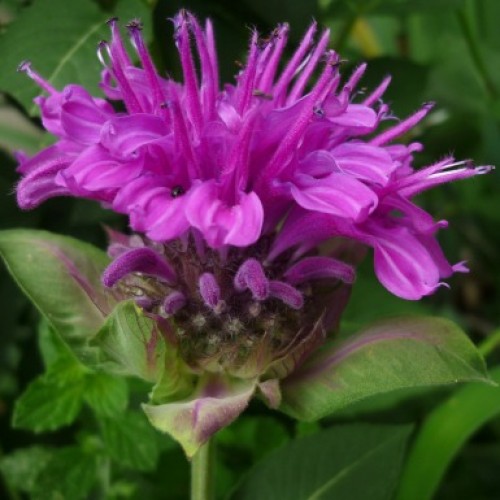
Monarda fistulosa, commonly called wild bergamot, is a familiar sight for foragers and gardeners alike with its aromatic square stems reaching 2-4 feet bearing flared tubular purple blooms beloved by bees and hummingbirds.
Taxonomy and Origins
As a hardy perennial in the Lamiaceae, or mint family, Monarda fistulosa is a close cousin of oregano, thyme, and other mints originating across Eastern North America. Commonly found growing in dry woods, thickets, and prairies.
Growth Pattern
Emerges in spring from underground rhizome root networks. Mature leaf structures exhibit serrated edges dotted with glandular trichomes secreting antibacterial essential oils. Ornamental flowering tops thrive throughout summer.
Ecological Role
A sustaining source of goldenrod pollen for pollinators. Seeds germinate after cold exposure. Also spreads vegetatively through colonizing clone clusters. Provides forage for deer and livestock alongside nectar-seeking insects.
Phytochemical Profile
Flavonoids like rosmarinic acid along with over 20 identified terpenoid compounds including thymol, carvacrol, and prolific geraniol, giving rise to herbal-floral aromatic oils.
