
Personal Use
Gingergrass Essential Oil
Cymbopogon martinii var. sofia
Green | Warm | Unwinding
Gingergrass does not come in soft and rosy like Palmarosa. It has a wilder edge. Greener. Sharper. More field than flower.
Its aroma is fresh, grassy, herbaceous, slightly spicy, and warm, with a dry green brightness that feels both clearing and grounding.
There is a faint rosy undertone because Gingergrass shares some aromatic territory with Palmarosa, but Gingergrass is less floral, less sweet, and more untamed. It feels like sun-warmed grass crushed between your hands — alive, direct, and full of movement.
This is an oil for tension that has gotten too tight. For emotional heaviness that needs air. For the nervous system when it feels irritated, braced, or overworked. Gingergrass brings warmth, but not the heavy heat of Ginger. It brings movement, but not the sharp push of Lemongrass. It works in that middle place — where the body needs softening, the breath needs space, and the energy needs to stop gripping so damn hard.
Gingergrass has a beautiful dual nature. It is stimulating without being frantic. Calming without being sedating. Bright without being brittle. It helps clear the emotional field while still keeping the body connected to the ground.
Stillpoint’s Gingergrass essential oil is steam distilled from the grass of Cymbopogon martinii var. sofia, a perennial aromatic grass in the Poaceae family. Closely related to Palmarosa, Gingergrass has been traditionally valued for its aromatic, cleansing, skin-supportive, and emotionally clarifying qualities.
This oil is for unwinding what has been held too long. For clearing the static. For finding warmth without overwhelm. For remembering that softness can still have a backbone.
Therapeutic Applications
Skin Support + Cleansing Care
-
Gingergrass essential oil is traditionally used in skincare for its cleansing, toning, and balancing qualities.
-
Its fresh, herbaceous aroma makes it useful in properly diluted blends for skin that feels dull, congested, oily, or energetically stale.
-
It may support a sense of freshness and clarity in topical formulations when used with appropriate dilution.
-
Gingergrass may be especially helpful in:
-
Body oils
-
Cleansing blends
-
Scalp preparations
-
Massage oils
-
Skin-refreshing formulations
-
-
Because it contains geraniol and related aromatic constituents, it should be used thoughtfully on sensitive skin.
Emotional Tension + Nervous System Support
-
Gingergrass is one of those oils that can help when the emotional body feels wound too tight.
-
Its aroma may support a calmer, more spacious state when someone feels:
-
Tense
-
Irritated
-
Restless
-
Emotionally cluttered
-
Energetically overstimulated
-
-
It does not flatten the system. It helps loosen the grip.
-
Gingergrass may be useful in:
-
Personal inhalers
-
Room sprays
-
Meditation blends
-
Body oils
-
Anointing blends
-
-
It is especially appropriate when stress has become physical:
-
Tight shoulders
-
Held breath
-
Shallow breathing
-
Jaw tension
-
That “everything is too much” feeling
-
Muscular Tension + Body Unwinding
-
Gingergrass may be useful in properly diluted massage blends for muscular tension, stiffness, and areas of the body that feel contracted or over-held.
-
It does not have the fierce warming intensity of Ginger or Black Pepper, but it brings a softer mobilizing quality that may help the body release tension gradually.
-
Gingergrass may be helpful in massage blends for:
-
Neck
-
Shoulders
-
Back
-
Legs
-
Feet
-
-
This is not a bulldozer oil. It does not force the gates open. It reminds the body that it can unclench.
Deodorizing + Clearing Blends
-
Gingergrass has a fresh, grassy, herbaceous aroma that works well in deodorizing and cleansing aromatic blends.
-
It may be useful in:
-
Natural deodorants
-
Foot blends
-
Cleansing sprays
-
Linen sprays
-
Diffuser blends
-
Room-clearing formulas
-
-
It may help shift the feel of a space when the atmosphere feels:
-
Heavy
-
Stale
-
Closed-in
-
Emotionally congested
-
Overloaded with too much human intensity
-
-
Its green warmth can help clear a space without making it smell medicinal or harsh.
-
Gingergrass brings the kind of clearing that feels alive — like opening the windows after too much has been trapped in the room.
Emotional Clarity + Energetic Reset
-
Energetically, Gingergrass may support emotional clarity, release of stagnant feelings, and the restoration of inner movement.
-
It is especially helpful when someone feels stuck in:
-
Irritation
-
Resentment
-
Mental noise
-
Emotional tightness
-
Energetic static
-
-
Gingergrass does not bypass the feeling. It helps move air through it.
-
This oil has a way of saying: loosen your grip, my friend. The whole damn world does not need to be held in your shoulders.
-
Gingergrass clears, warms, and unwinds.
-
It helps the body exhale, the field reset, and the spirit remember that grounded does not have to mean heavy.
Traditional Use
Gingergrass has been traditionally used in aromatic, household, and body-care practices across regions where Cymbopogon grasses grow, especially in India and parts of Southeast Asia. Like other aromatic grasses in this genus, Gingergrass was valued for its fresh green scent, cleansing qualities, skin-supportive use, and ability to refresh the body, atmosphere, and emotional field.
Gingergrass is closely related to Palmarosa, but it carries a different personality. Palmarosa tends to be softer, sweeter, and more floral. Gingergrass is greener, drier, sharper, and more herbaceous. It feels less like a flower opening and more like grass being crushed in the heat — clearing, bright, warm, and alive.
Traditionally, this is a plant connected with freshness, movement, cleansing, and release. It belongs to the world of aromatic grasses that were used practically: for the body, the skin, the home, the atmosphere, and the places where life got a little too stagnant.
Aromatic Cleansing + Freshening
-
Gingergrass has traditionally been valued for its fresh, grassy, herbaceous aroma.
-
Like other aromatic grasses, it was used to help freshen spaces, support cleanliness, and shift the feeling of air that had become heavy, stale, or stagnant.
-
Traditional and practical uses include:
-
Room freshening
-
Cleansing aromatic blends
-
Deodorizing preparations
-
Linen and household sprays
-
Body-refreshing oils
-
Foot care blends
-
Atmospheric clearing
-
-
Gingergrass carries a sharper green note than Palmarosa, making it especially useful when the goal is freshness rather than sweetness.
-
This is not a delicate floral oil. It has field energy. It clears the air and tells the funk to move along.
Skin + Body Care
-
Gingergrass has traditionally been used in body-care and skin-care preparations for its cleansing and toning qualities.
-
Its aromatic profile makes it useful in properly diluted oils, washes, massage blends, and topical preparations where the skin needs freshness, clarity, and balance.
-
Traditional skin and body-care uses include:
-
Cleansing the skin
-
Refreshing oily or congested-feeling skin
-
Supporting scalp and body freshness
-
Massage preparations
-
Deodorizing body blends
-
Foot oils or foot powders
-
Bath and body formulations
-
-
Because Gingergrass contains aromatic constituents such as geraniol, it has often been associated with skin-supportive applications, though it should always be properly diluted.
-
Traditionally, this is the kind of plant used when the body needed to feel cleaner, lighter, and less burdened by heat, heaviness, or stagnation.
Massage + Physical Unwinding
-
Gingergrass has a long-standing place in massage and body oil traditions, especially where aromatic grasses were used to refresh the body and support ease in the tissues.
-
Traditional uses include:
-
Massage oils
-
Body rubs
-
Post-work body blends
-
Preparations for tired legs and feet
-
Blends for stiffness or over-held muscles
-
Warm, green body oils for general tension
-
-
Gingergrass does not bring the heavy, fiery warmth of Ginger root.
-
Its warmth is lighter, greener, and more diffusive.
-
It may be especially useful when the body feels:
-
Tense
-
Clenched
-
Tired
-
Stagnant
-
Irritated
-
Overworked
-
In need of movement without force
-
-
This is the plant ally for “I do not need to be pushed harder. I need to unclench.”
Emotional Clearing + Nervous System Support
-
Aromatic grasses have traditionally been used not only for the physical body, but for the emotional and energetic atmosphere around the body.
-
Gingergrass carries a scent that may support emotional clearing, nervous system settling, and release of stagnant mental or emotional energy.
-
Traditional and energetic uses include:
-
Clearing emotional heaviness
-
Refreshing the spirit
-
Supporting calm focus
-
Helping release irritability
-
Softening tension held in the body
-
Bringing warmth to emotionally cold or shut-down places
-
Encouraging movement when energy feels stuck
-
-
Gingergrass is especially helpful when the emotional field feels sharp, crowded, tense, or overfull.
-
It does not sedate the system into silence.
-
It helps create space.
-
The message is simple: breathe, loosen your grip, and stop carrying the whole damn sky on your shoulders.
Deodorizing + Household Use
-
Gingergrass has been used in practical household contexts because of its fresh, green, deodorizing aroma.
-
Traditional household uses include:
-
Freshening rooms
-
Clearing musty spaces
-
Supporting cleanliness in body-care products
-
Deodorizing feet or shoes
-
Refreshing linens
-
Adding a clean green note to soaps and washes
-
Supporting an overall sense of freshness in the home
-
-
Its aroma is strong enough to shift a space, but softer than Lemongrass and less floral than Palmarosa.
-
This makes Gingergrass useful when you want the room to feel clean and alive without smelling like you attacked it with lemon furniture polish.
Perfumery + Aromatic Blending
-
Gingergrass has been traditionally used in perfumery and aromatic blending as a green, herbaceous, rosy-grassy note.
-
It shares some aromatic chemistry and character with Palmarosa, but it is generally less sweet and more grassy.
-
Traditional aromatic uses include:
-
Natural perfumery
-
Soap-making
-
Body oils
-
Hair oils
-
Deodorizing blends
-
Green floral accords
-
Herbaceous aromatic blends
-
Masculine, earthy, or fresh scent profiles
-
-
Gingergrass brings a bridge quality to blends.
-
It can connect green, floral, herbaceous, citrus, resinous, and woody notes without taking over the whole room.
-
It has enough brightness to lift a blend and enough warmth to keep it from floating away.
Traditional Plant Identity
-
Gingergrass belongs to the Cymbopogon genus, a group of aromatic grasses that includes Lemongrass, Citronella, Palmarosa, and other fragrant grasses.
-
These plants have long been valued for their:
-
Aromatic leaves
-
Cleansing qualities
-
Use in body care
-
Household freshness
-
Insect-repelling associations
-
Emotional and atmospheric clearing
-
Practical use in perfumery and soap-making
-
-
Gingergrass carries the same grass-family intelligence: flexible, rooted, fragrant, resilient, and able to move with wind, heat, and pressure.
-
Its traditional message is not complicated.
-
Clear the air.
-
Refresh the body.
-
Loosen the tension.
-
Come back to yourself.
Gingergrass is practical green medicine. It freshens, clears, softens, and unwinds. It belongs to the body after too much holding, the room after too much heaviness, and the spirit after too much noise.
It is not precious. It is not fragile. It is the aromatic grass that says: open the window, unclench your jaw, and let the stagnant crap move.
Botany
Gingergrass, Cymbopogon martinii var. sofia, is a tall aromatic perennial grass in the Poaceae family. It belongs to the same genus as Palmarosa, Lemongrass, and Citronella — plants known for their fragrant leaves, strong aromatic chemistry, and practical use in body care, perfumery, cleansing preparations, and traditional plant medicine.
Gingergrass essential oil is steam distilled from the aerial grass — primarily the leaves and flowering tops. This matters, because Gingergrass is not a root oil, even though the name can make people think of Ginger. Its medicine rises through blade, stem, leaf, and flowering grass. It is green, herbaceous, warm, slightly spicy, and grassy, with a faint rosy undertone that reflects its relationship to Palmarosa.
Where Palmarosa, Cymbopogon martinii var. motia, is usually softer, sweeter, and more floral, Gingergrass is Cymbopogon martinii var. sofia — greener, drier, more herbaceous, and more untamed. Same family line. Different expression. Different field. Different teaching. Gingergrass oil is commonly described as steam distilled from the grass of Cymbopogon martinii var. sofia, a perennial grass in the Poaceae family, and it is differentiated from Palmarosa by its variety and aromatic profile.
Botanical Profile
-
Botanical Name: Cymbopogon martinii var. sofia
-
Family: Poaceae
-
Common Names: Gingergrass, Ginger Grass, Sofia Grass, Rosha Grass
-
Plant Type: Aromatic perennial grass
-
Part Used for Distillation: Aerial grass, leaves, and flowering tops
-
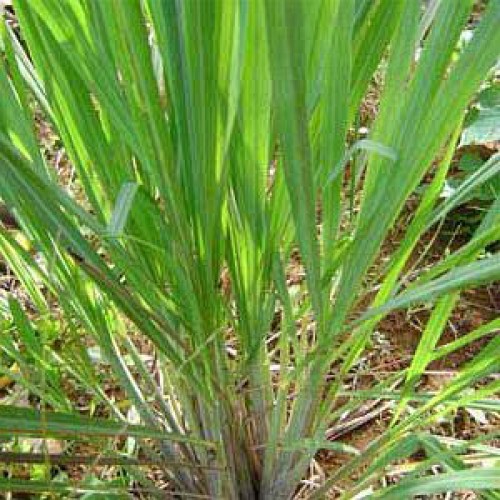
Growth Habit: Upright, clumping, densely growing grass with long aromatic leaves
-
Height: Commonly tall-growing, often several feet high depending on climate, soil, and growing conditions
-
Flowering Season: Varies by region and climate; flowering generally occurs after the plant has established strong vegetative growth
-
Harvest Time for Distillation: Usually harvested when the aromatic compounds are well developed in the grass and flowering tops
Physical Characteristics
-
Leaves: Long, narrow, blade-like green leaves with a strong aromatic scent when crushed
-
Stems: Upright grass stems arising from dense clumps
-
Flowering Tops: Slender flowering panicles typical of aromatic grasses in the Cymbopogon genus
-
Root System: Fibrous grass root system that anchors the plant and supports dense clump growth
-
Overall Form: Tall, tufted, field-like grass with a resilient, wind-moving structure
-
Aroma of the Plant: Fresh, grassy, herbaceous, warm, slightly spicy, woody, and faintly rosy
-
Essential Oil Appearance: Often described as yellow to brownish-yellow, depending on origin, distillation, and storage conditions
Native Habitat + Growth Conditions
-
Native Range: Associated primarily with India and surrounding tropical to subtropical regions; Cymbopogon martinii is widely connected with India and Indochina, with broader cultivation in warm regions. (Wikipedia)
-
Growing Regions: India, Pakistan, parts of Southeast Asia, and other warm climates where aromatic grasses are grown for essential oil production
-
Preferred Soil: Well-drained soil; Gingergrass is noted as not tolerating acidic soils well
-
Moisture: More tolerant of wet or imperfectly drained conditions than some related aromatic grasses, though it still benefits from appropriate drainage and healthy growing conditions
-
Sunlight: Warm, bright growing conditions; long days may support oil production and geraniol content
-
Climate: Tropical to subtropical climates with warmth, seasonal moisture, and enough heat to support aromatic development
-
Ecological Notes: Gingergrass grows in dense clumps and reflects the resilience of grass-family plants — flexible, rooted, aromatic, and able to regenerate after cutting when grown in suitable conditions.
Energetic Botanical Signature
Gingergrass teaches through the blade.
This plant does not store its primary medicine in a thick rhizome like Ginger, or in a resinous wound like Frankincense, or in a lush flower like Rose. Gingergrass rises as grass — long, narrow, flexible, aromatic, and alive to wind, sun, rain, and pressure.
That is the doctrine.
Grass survives by bending. It does not need to become rigid to be strong. It does not hold its power by locking itself in place. It moves with the weather, takes the heat, drinks the rain, grows back after cutting, and keeps rising from the root.
Gingergrass carries that teaching directly into the body and energy field. It knows how to soften what has become too tight without collapsing the system. It brings movement without drama. Freshness without fragility. Warmth without heaviness.
Its dense clumping growth speaks to containment and resilience. Its long aromatic leaves speak to release, breath, and circulation through the field. Its green, grassy-spicy scent feels like tension being combed out of the nervous system — not ripped out, not forced, but gradually loosened until the body remembers it does not have to grip so hard.
Where Ginger teaches through subterranean fire, Gingergrass teaches through flexible strength.
It says: bend before you break. Clear what has gone stale. Let the wind move through you. Your softness is not weakness. Your ability to keep rising is the medicine.
