Personal Use
German Chamomile Essential Oil (Matricaria chamomilla) from Nepal
Gentle. Calming. Earthy. This German Chamomile offers a rich, deeply soothing aroma that is warm, herbaceous, and slightly apple-like. While chamazulene—the compound often responsible for the distinctive blue hue and powerful anti-inflammatory properties in other chamomile oils—may not be as abundant in this Nepalese variety, it still carries the well-known calming and relaxing qualities that have made chamomile a staple in aromatherapy for centuries.
The Nepalese version of German Chamomile retains a subtle, earthy sweetness, enveloping the user in a soothing aura. Ideal for moments when you seek quietude and comfort, this oil helps bring a sense of calm to the body and mind. It can be used to create a space for emotional healing and physical relaxation.
Therapeutic Applications
Calming the Nervous System + Reducing Anxiety
German Chamomile oil is renowned for its calming and relaxing effects, making it a go-to for those experiencing nervous tension or anxiety. While the Nepalese variety may not have the high chamazulene content of other chamomile oils, it still provides excellent emotional support. It may help calm an overactive mind, promote restful sleep, and relieve nervous exhaustion when used in diffusion or topical applications.
Anti-inflammatory + Skin Healing
Though this Nepalese German Chamomile has a slightly lower chamazulene content, it still has mild anti-inflammatory properties. It can be used for topical treatments targeting skin irritations, redness, and inflammation, especially when those conditions are linked to emotional stress. This oil may also be helpful in calming eczema, rashes, or minor burns, aiding in skin healing and bringing a soothing touch to irritated areas.
Digestive Support + Relief from Stomach Discomfort
Chamomile has been used for centuries as a digestive aid. German Chamomile essential oil, with its calming properties, is especially helpful for digestive issues such as nausea, bloating, or indigestion. When applied in a diluted blend or taken in capsules (under professional guidance), it may help to relieve upset stomachs and calm digestive spasms linked to stress or anxiety.
Menstrual Support + Cramp Relief
German Chamomile oil is often used to ease menstrual discomfort. It can be helpful in reducing cramps, soothing lower abdominal pain, and balancing hormones when used in massage oils or baths. The oil's calming and relaxing effects on the nervous system make it ideal for menstrual support, especially when stress and anxiety exacerbate symptoms.
German Chamomile oil is often used to ease menstrual discomfort. It can be helpful in reducing cramps, soothing lower abdominal pain, and balancing hormones when used in massage oils or baths. The oil's calming and relaxing effects on the nervous system make it ideal for menstrual support, especially when stress and anxiety exacerbate symptoms.
Traditional Use
German Chamomile has a rich history as a healing herb across many ancient cultures. Even though the Nepalese variety has a lower chamazulene content, it retains many of the same beneficial qualities that have made chamomile a staple in traditional healing.
Ancient Greece and Rome
In Ancient Greece and Rome, chamomile was highly prized for its calming and soothing properties. It was used in baths to relieve tired muscles and was commonly brewed as a tea to help with digestion and nervous tension. The Romans even used chamomile as a wound healer, using it in poultices for bruises and inflammation.
Ayurvedic Tradition
In Ayurveda, chamomile has been used for thousands of years for its ability to cool the body and calm the mind. It was frequently employed in digestive care, especially for indigestion, gas, and irritable bowel syndrome (IBS). Chamomile also served as a nervine tonic to calm anxiety, promote restful sleep, and support the nervous system.
European Folk Medicine
In European folk medicine, chamomile was used as a natural remedy for colds, headaches, and menstrual discomfort. It was often brewed into a tea to alleviate digestive issues and reduce inflammation. The oil was also used for topical applications, helping to soothe skin conditions like eczema, rashes, and sunburn.
Native American Uses
Though chamomile was not native to North America, Native American tribes used similar plants for stress relief and digestive health. The wild chamomile plant was often used in tea form to calm nerves and help with digestive discomfort. The aromatic properties of the plant were also used in ceremonial practices to cleanse the energy and promote a calm, centered atmosphere.
Modern Folk Medicine
Today, chamomile remains a popular herb in modern folk medicine, especially for its soothing properties. Chamomile tea is a go-to for easing insomnia, stress, and digestive discomfort, while the essential oil continues to be used in aromatherapy and massage for relaxation and calming the nervous system. Many people also use chamomile as a natural remedy for headaches, menstrual cramps, and muscle tension.
Botany
Matricaria chamomilla, commonly known as German Chamomile, is a delicate, flowering annual herb in the Asteraceae family. Though often confused with Roman Chamomile (Chamaemelum nobile), German Chamomile is botanically distinct—taller, more prolific in essential oil yield, and chemically unique. The Nepalese variety grows high in the foothills of the Himalayas, where the soil and climate impart a slightly softer aromatic and chemical expression compared to other regions.
Botanical name: Matricaria chamomilla
Family: Asteraceae
Common names: German Chamomile, Blue Chamomile (though Nepalese variety is less blue), Scented Mayweed
Plant type: Annual flowering herb
Part used for distillation: Fresh or dried flowering tops
Growth habit: Upright, branching, 8–24 inches in height
Flowering season: Spring through early summer
Harvest time for distillation: At full bloom, typically early to mid-summer
Family: Asteraceae
Common names: German Chamomile, Blue Chamomile (though Nepalese variety is less blue), Scented Mayweed
Plant type: Annual flowering herb
Part used for distillation: Fresh or dried flowering tops
Growth habit: Upright, branching, 8–24 inches in height
Flowering season: Spring through early summer
Harvest time for distillation: At full bloom, typically early to mid-summer
Physical characteristics
-
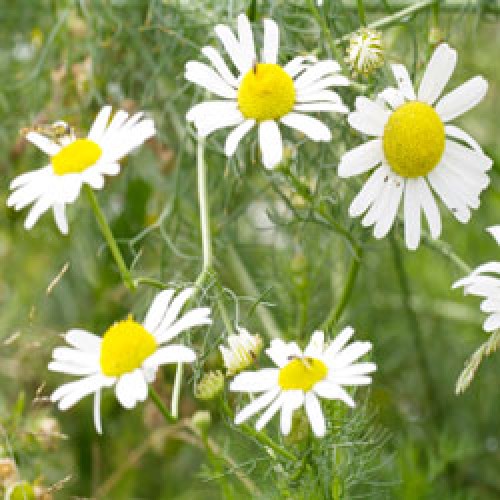
Leaves: Finely divided, feathery, and fern-like, with a soft green color and light aromatic scent
-
Stems: Slender, erect, and branching—supporting abundant flower heads
-
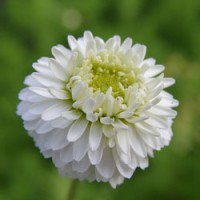
Flowers: Small, daisy-like with white petals surrounding a golden-yellow conical center; highly aromatic when crushed
-
Roots: Shallow and fibrous, supporting quick growth cycles in well-drained soil
Native habitat + growth conditions
-
Native to: Europe and Western Asia, now naturalized and cultivated in Nepal and many temperate climates worldwide
-
Preferred soil: Well-drained, light, sandy-loamy soils with good sun exposure
-
Sunlight: Full sun
-
Climate: Thrives in cool to temperate climates; prefers moderate humidity and consistent rainfall
-
Ecological role: Attracts pollinators and beneficial insects; often planted as a companion herb in gardens due to its calming influence on nearby plants
Energetic botanical signature
German Chamomile's open, daisy-like flowers and feathery leaves reflect its energetic action—light, gentle, and widely accessible. She doesn’t hide her medicine. She stands tall and offers it freely. The golden center of the flower points to her solar influence: soothing inflammation, cooling heat, and restoring balance—emotionally, physically, and energetically.
She thrives in sparse soil, teaching us that softness can bloom even in tough terrain. This Nepalese variety reminds us that not all healing needs to be bold or dramatic—sometimes, it’s the quiet resilience of something humble and familiar that brings us back to center.