
Personal Use
Wild High Mountain Juniper
(Juniperus communis var. saxatilis, synonym subsp. alpina)
Limited Edition | Distilled in the Southwest | Altitude: ~8000 ft
(Juniperus communis var. saxatilis, synonym subsp. alpina)
Limited Edition | Distilled in the Southwest | Altitude: ~8000 ft
There’s something ancient and elemental in this oil. Wild High Mountain Juniper opens with a fresh, alpine clarity—mild turpentine-like top notes softened by the breath of snow-covered needles and the citrus-zest shimmer of high-altitude sunlight. You’ll catch a hint of sweet resin and wood beneath it all—clean, but never clinical. Strong, but not sharp.
This is a top-to-middle note that moves like mountain air after a thaw—cool, dry, quietly powerful.
Stillpoint’s limited-edition batch was distilled from wild shrubs that grow no higher than ten feet, tucked into the shadow of towering aspens and conifers. These plants live mostly under snow, enduring extremes that refine their aromatic expression into something soft, pure, and unshakably clear.
This oil is not available year-round. It can only be distilled in a narrow seasonal window—from spring through early winter—when the berries are ripe, the sap is moving, and the plant’s essence can rise to meet the still.
The aroma moves between worlds:
-
Woody and camphoraceous at first breath
-
Citrusy and lightly fruity in its heart
-
Soft, sweet, and dry as it settles into the skin or diffuser
It clears the space. It centers the mind. And it stands—like the plant itself—firm in the middle of the storm.
Therapeutic Applications
Wild High Mountain Juniper is cleansing, clarifying, and deeply restorative—but never harsh. Unlike lower-elevation juniper oils, which can be too sharp or stimulating for some systems, this high-altitude variety offers a cooler, more refined therapeutic presence that detoxifies without overwhelming, and supports without over-stripping.
Urinary & Lymphatic Support
-
Traditionally used to support urinary health, reduce water retention, and assist the body’s natural detoxification process
-
Excellent in blends for swelling, puffiness, or stagnant lymph—especially post-illness or after exposure to environmental toxins
-
Gently diuretic and energetically clearing
Muscle & Joint Support
-
Mildly analgesic and anti-inflammatory
-
Helpful in massage blends for sore muscles, stiffness, or overworked joints
-
Combines well with oils like Black Spruce, Copaiba, or Helichrysum for post-workout recovery or long-standing tension
Respiratory Ease
-
Aids in clearing congestion from the chest and sinuses, especially in cooler or high-altitude climates
-
Can be used in steam blends, diffuser formulas, or chest balms to support clean, open breath
-
Less stimulating than Eucalyptus—ideal for sensitive individuals or nighttime use
Skin & Scalp Care
-
Astringent and mildly antimicrobial
-
Can support acne-prone or oily skin, and help clear clogged pores or minor skin infections
-
Effective in scalp oils or clarifying treatments for buildup, irritation, or imbalances in sebum production
Energetic Detox + Emotional Clarity
-
Powerful when the body is holding emotional “residue”—especially grief, guilt, or energetic burnout
-
Supports those doing deep emotional release, post-ceremony integration, or recovering from boundary collapse
-
Clears heaviness without emotional numbing
This oil walks gently into systems that are tender. It helps move what’s stuck—lymph, inflammation, grief, fear—without force. It doesn't push. It reminds you what lightness feels like.
Traditional Use
Juniper has long been a sacred plant across many mountain and forest cultures. Whether in the Himalayas, Pyrenees, Alps, or American Southwest, Juniperus species have been used for their protective, purifying, and medicinal qualities. This wild, high-elevation variety—growing under snow, in wind, and shadow—shares those traditions but speaks them in a quieter voice.
Berries as Medicine
-
Used in traditional medicine systems to support digestion, urinary health, and detoxification
-
The berries (actually cones) were taken for stomach cramps, flatulence, and appetite loss
-
Often used to stimulate sweating and clear fever or toxic buildup
-
Considered helpful in managing conditions such as diarrhea, gout, and venereal diseases
Needles & Smoke Medicine
-
Needles were steeped for antiseptic washes, used on wounds, skin infections, or fungal issues
-
Burned as incense or bundled in smoke rituals to purify air, dispel spirits, and protect space
-
In Alpine and indigenous European traditions, juniper was burned in the home during solstice, funerals, or illness, thought to clear out both literal pathogens and emotional unrest
Folk Wisdom & Ritual Use
-
Planted near doors or thresholds to guard against negativity
-
Bundled with other mountain herbs for dreamwork, auric cleansing, and ancestral offerings
-
Used in seasonal transitions—particularly at Samhain, Winter Solstice, or Beltane—to mark the shift in energy and call for protection
Even now, those who gather this oil must wait for nature’s timing: it can only be harvested when the berries are ripe, the needles dry, and the snow has pulled back just enough. This rhythm gives the oil its essence—a medicine of cycles, stillness, and quiet courage.
Botany
Botanical Name: Juniperus communis var. saxatilis (syn. subsp. alpina)
Family: Cupressaceae
Common Names: Alpine Juniper, High Mountain Juniper, Wild Juniper
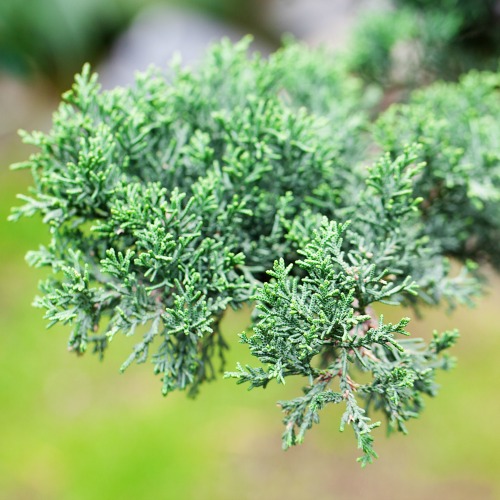
Plant Type: Evergreen coniferous shrub
Part Used for Distillation: Needles and twigs (no berries in this distillation)
Growth Habit: Low-growing, spreading mats or rounded shrubs, typically 1–3 meters wide, rarely more than 1–2 meters tall
Flowering Season: Spring (cones mature over 2–3 years)
Harvest Time for Distillation: Late spring to early winter—distilled only when snow has receded and the needles are aromatic
Family: Cupressaceae
Common Names: Alpine Juniper, High Mountain Juniper, Wild Juniper
Plant Type: Evergreen coniferous shrub
Part Used for Distillation: Needles and twigs (no berries in this distillation)
Growth Habit: Low-growing, spreading mats or rounded shrubs, typically 1–3 meters wide, rarely more than 1–2 meters tall
Flowering Season: Spring (cones mature over 2–3 years)
Harvest Time for Distillation: Late spring to early winter—distilled only when snow has receded and the needles are aromatic
Physical Characteristics
-
Needles: Short, stiff, and sharply pointed; arranged in whorls of three, with silvery stomatal bands
-
Cones (Berries): If present, bluish-black, waxy, and highly aromatic when ripe—though this distillation did not include berries
-
Bark: Reddish-brown to gray, often shredding in thin strips
-
Form: Hugging the earth with low, spreading branches—resistant to snow, wind, and alpine extremes
Native Habitat + Growth Conditions
-
Native To: High elevations (typically 6,500–10,000 feet) in mountainous regions across Europe, Asia, and North America
-
Our Source: Grown wild in the American Southwest, around 8000 feet elevation, where it grows beneath aspens and taller conifers
-
Soil Needs: Prefers rocky, well-drained, often calcareous soils
-
Sunlight: Full sun
-
Climate: Cold-hardy, drought-tolerant, snow-resilient; thrives in harsh alpine conditions
-
Ecological Role: Stabilizes soil on high slopes, provides shelter and berries for birds and small mammals
Energetic Botanical Signature
Alpine Juniper grows close to the ground, shaped by snow and stone. Unlike its upright cousins, it doesn’t reach for the sky—it hugs the land, enduring long winters under ice and emerging quietly, resilient and intact.
This growth pattern reflects its medicine:
-
It protects without aggression
-
It clears without collapse
-
It supports clarity and courage, but always from a place of rooted calm
This is not a showy plant. It’s a survivor, a guardian, and a gentle guide back to your own energetic integrity.
