
Personal Use
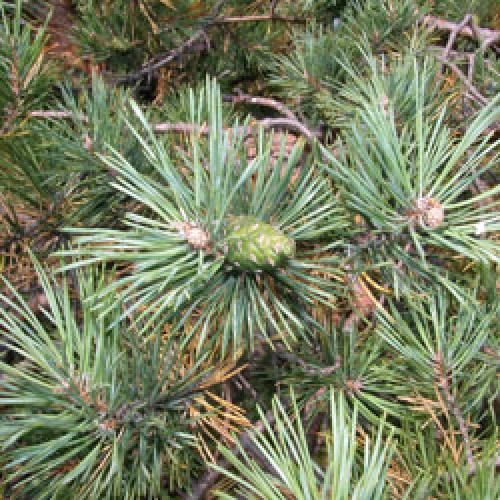
(Pinus sylvestris, needle and twig)
Clean, sharp, and unmistakably coniferous—Scotch Pine essential oil opens the breath with immediate clarity. It carries the fresh, resinous bite of crushed needles with a woody, slightly peppery undertone from the twigs. The scent is crisp without being cold, grounding without being heavy.
Stillpoint’s Scotch Pine essential oil is steam distilled from the freshly harvested needles and twigs of Pinus sylvestris trees. This wild-growing conifer thrives in colder, high-altitude regions, and its oil reflects that hardy environment—clear, fortifying, and lung-supportive.
Scotch Pine offers both structural and energetic scaffolding. Its chemistry supports the respiratory tract, the lymphatic system, and adrenal tone—while its aroma provides a sense of uprightness and alert calm.
Respiratory Support + Lung Tonic
With its high monoterpene content—particularly alpha- and beta-pinene—Scotch Pine helps open the lungs, ease coughs, and support mucous membrane tone. It may be used in diffuser blends or chest rubs for colds, bronchitis, or general congestion.
Adrenal and Circulatory Support
Scotch Pine is considered a tonic for the adrenal glands and may assist in fatigue recovery, particularly in cases of burnout or chronic stress. It also supports peripheral circulation and may help ease cold extremities.
Lymphatic Movement + Detox Support
Topical application in massage oils may assist with stagnant lymph, fluid retention, or general detox support, especially when used with dry brushing or contrast hydrotherapy.
Musculoskeletal Comfort
Used in warming or anti-inflammatory massage blends, Scotch Pine may help ease minor joint and muscle aches—especially where inflammation or cold dampness is involved.
Traditional Use
Scotch Pine (Pinus sylvestris) has a long history in traditional herbal and folk medicine across Northern and Eastern Europe, where it was widely used for its warming, stimulating, and clearing properties. Practitioners used various parts of the tree—needles, twigs, resin, and bark—in external applications, steams, infusions, and baths.
Topical Use for Aches, Stiffness, and Skin Infections
Warm compresses and liniments made from pine needle infusions or decoctions were traditionally applied to sore muscles, rheumatic joints, and stiff limbs—particularly in cold, damp conditions. Pine resin was also used in salves to draw out splinters and support healing of minor wounds, boils, and skin infections.
Steam Inhalations and Baths for Respiratory Congestion
Scotch Pine was commonly added to steam pots or inhaled through freshly crushed needles to relieve cough, sinus pressure, and thick phlegm. In traditional households, pine-scented steam baths and sauna infusions were used to open the lungs and promote sweating during fevers or respiratory illness.
Infusions and Decoctions for Urinary Tract and Rheumatic Conditions
In some traditions, infusions of the young shoots or needles were taken internally to support kidney and urinary function, though this use has largely fallen out of practice. Decoctions were also used to help “move dampness” and support the body’s detoxification pathways, especially in cases of chronic stiffness or sluggish elimination.
Strengthening Tonic in Convalescence
Scotch Pine preparations—especially invigorating baths—were used during recovery from illness to help reawaken vitality. In post-fever care or long convalescence, pine was considered a stimulating remedy to “strengthen the blood” and rebuild stamina in weakened individuals.
Botany
Pinus sylvestris, commonly known as Scotch Pine or Scots Pine, is a hardy, evergreen conifer belonging to the Pinaceae family. It is one of the most widely distributed pine species in the world, native to Europe and parts of Asia. Known for its tall, upright growth and striking reddish bark, this species thrives in cold, dry climates and nutrient-poor soils.
Scotch Pine is a fast-growing, long-lived tree valued for both its timber and its essential oil. Its aromatic profile comes primarily from its needles and twigs, which are rich in monoterpenes and resinous compounds that protect the tree from pests and harsh environmental conditions.
Botanical Name: Pinus sylvestris
Family: Pinaceae
Common Names: Scotch Pine, Scots Pine
Plant Type: Evergreen coniferous tree
Part Used for Distillation: Needles and twigs
Growth Habit: Tall, straight-trunked tree, reaching up to 25–40 meters in height
Flowering Season: Late spring to early summer (May–June)
Harvest Time for Distillation: Late spring to summer, when resin content in needles is high
Family: Pinaceae
Common Names: Scotch Pine, Scots Pine
Plant Type: Evergreen coniferous tree
Part Used for Distillation: Needles and twigs
Growth Habit: Tall, straight-trunked tree, reaching up to 25–40 meters in height
Flowering Season: Late spring to early summer (May–June)
Harvest Time for Distillation: Late spring to summer, when resin content in needles is high
Physical Characteristics:
-
Leaves: Long, slender, blue-green needles in pairs; slightly twisted
-
Stems/Bark: Young bark is orange-red and flaky; older bark becomes thick and deeply fissured
-
Cones: Small, oval cones that mature over two years; turn brown when mature
-
Roots: Deep taproot with wide lateral spread, enabling strong anchorage and drought tolerance
Native Habitat + Growth Conditions:
-
Native To: Europe, from Scotland to Siberia
-
Preferred Soil: Poor, sandy, acidic, and well-drained soils
-
Sunlight: Full sun
-
Climate: Cold-temperate and subarctic; drought-tolerant and frost-hardy
-
Ecological Notes: Provides habitat and food for birds, insects, and forest mammals; stabilizes soil and prevents erosion in mountainous regions
Energetic Botanical Signature
Scotch Pine grows tall, straight, and resilient—even in poor soil and harsh climates. Its deep taproot anchors it firmly, while its upright form and evergreen needles reach steadily toward the sky. The reddish bark, protective and insulating, reflects its inner fire and endurance.
This vertical growth and year-round vitality mirror its energetic offering: structure, clarity, and continuity. It teaches how to stand tall in the face of depletion, how to stay rooted while reaching upward, and how to hold one’s shape when everything else is falling away. Its presence is stabilizing, especially for those who feel scattered, collapsed, or energetically drained.
Scotch Pine reminds us: there is strength in stillness, and life after long winters.
