
Every order ships USPS Priority — $10.95 flat-rate USPS Priority shipping on all US orders, no minimum. Free shipping on domestic orders over $299.
Welcome to Stillpoint. Subscribe to our newsletter for sale details and new-product news · One discount code per order · Every order is hand-poured, packed with care in ceremony, and shipped as we receive it.

Plai Essential Oil | North Eastern | Deep Respiratory

Zingiber cassumunar

  • Plai Essential Oil | North Eastern | Deep Respiratory

Average Rating: (see reviews)

$12.00 Ex Tax: $12.00

Essential Facts

  • Latin Name: Zingiber cassumunar
  • Country of Origin: Burkina Faso
  • Botanical Family: Zingiberaceae
  • Plant Parts: Rhizome
  • Note Classification: Middle
  • Cultivation Method: Wild Harvested
  • Method of Extraction: Steam or Hydro Distillation
  • Extraction Date: November 2024
  • Approx. Shelf Life: 6 years
  • Chemical Family: Monoterpenes, Monoterpenols
  • Batch: plaine
  • Aroma: Cool, Earthy, Exotic, Fresh, Herbaceous, Pungent, Sensual, Spicy
  • Energetic Applications: 1st Chakra - survival and support, 2nd Chakra - relationships, creation energy, 3rd Chakra - personal power, 4th Chakra - unconditional love, Balancing, Clarity, Energizing, Expansive, Protective, Purifying, Uplifting
  • Therapeutic Properties: Analgesic, Anti-bacterial, Anti-fungal, Anti-inflammatory, Anti-septic, Anti-viral, Astringent, Carminative, Cooling, Digestive tonic, Energizing, Immune support, Insect repellent, Tonic
Notes & Use

Personal Use

Plai Essential Oil (Northeastern Thailand) – Zingiber cassumunar

Limited Reserve | Respiratory & Energetic Opener

This Northeastern variety of Plai (Zingiber cassumunar) is sharp, vibrant, and incredibly opening. Its aroma is unmistakable—freshly spicy with a camphoraceous, rooty warmth that rises immediately into the chest and mind. Unlike the more grounding Central Thai Plai, this one is about clearing space, moving energy, and waking up what’s been stuck.

Distilled in the Isaan region of Thailand, this Plai comes from rhizomes known for their high sabinene content and pungent aromatic potency. It is a potent ally for the respiratory system, helping to ease tightness in the chest, clear sinus blockages, and support breath when it feels shallow, stuck, or constricted by grief or stagnation.

Energetically, this is a boundary-clearing, fog-lifting oil. It's especially helpful for practitioners, empaths, and energetically sensitive folks who need to cut through density and reconnect to clarity. Not fiery like ginger—this is cool fire. Penetrating. Dispersing. Awakening.
This is one of our limited reserve oils—distilled in small batches and only available seasonally. Once it’s gone, it’s gone.


Therapeutic Applications

Respiratory Support + Chest Opener
This Northeastern variety of Plai shines when it comes to clearing the lungs and sinuses. Its higher sabinene content and camphoraceous top note make it especially effective in opening the breath, breaking up congestion, and easing tightness in the chest. Think: shallow breath from grief, emotional overwhelm, or energetic heaviness in the lungs. It’s a less-aggressive alternative to eucalyptus or ravintsara, but just as effective—and energetically deeper.

Immune Support + Antimicrobial Properties
Traditionally used in Thai medicine for colds, coughs, and general malaise, this Plai chemotype may offer gentle antimicrobial, antiviral, and immune-supportive effects—especially useful in diffusion, chest balms, or respiratory blends. It supports the body’s natural defenses while offering comfort to the system.

Circulatory & Lymphatic Movement
Though not as strongly anti-inflammatory as Central Thai Plai, this oil encourages movement—physical, emotional, and energetic. It may help with sluggish lymph, tension from stagnation, or the kind of muscle fatigue that comes from being stuck in one position (physically or emotionally) too long.

Energetic Clearing + Nervous System Unwinding
This is an oil that clears the headspace. Especially helpful when mental fog, looping thoughts, or fatigue are layered on top of physical tension. Diffusing or inhaling this oil can shift the state of a room—and the psyche—without the sharp jolt of menthol-based oils.

Traditional Use

Plai has long held a sacred and medicinal role in Thai culture, particularly in the Northeastern Isaan region, where it is revered for its ability to move stagnation—physical, emotional, and energetic.
  • Thai Traditional Medicine: Plai is considered a cornerstone herb in Thai healing, where it’s often used in herbal compresses, balms, and steam therapies. In the northeast, its pungent, penetrating properties are called upon for treating coughs, colds, fever, and congestion, as well as relieving chest tightness and promoting expansion of breath and spirit.
  • Steam Therapy & Saunas: In Thai saunas, crushed Plai rhizomes are often tossed into the hot stones or boiling water to purify the respiratory tract, support immunity, and open energetic pathways. The vapors are used to clear not only the lungs but also mental fog and spiritual heaviness.
  • Energetic Detoxification: Plai is traditionally considered a “wind-clearing” herb, used to expel what Thai healers refer to as "lom"—stuck or pathogenic wind believed to cause pain, stagnation, or energetic disharmony. This aligns with how it’s used today: for energetic smudging, emotional clarity, and nervous system regulation.
  • Postpartum Care: In traditional Thai postpartum treatments, Plai is applied as part of warm compresses to stimulate circulation, reduce inflammation, and support emotional recovery. This practice reflects its deep restorative energy and its ability to support transitions, healing, and return to self.

Botany

Plai (Zingiber cassumunar) is a rhizomatous perennial plant in the Zingiberaceae (ginger) family, closely related to other healing roots like ginger and turmeric. While it's widely grown across Southeast Asia, the Northeastern Thai chemotype carries a distinct aromatic and therapeutic fingerprint—cooler, sharper, and more respiratory-focused.

This hardy plant thrives in tropical and subtropical climates, particularly in the Isaan region of Thailand, where it’s woven into both folk medicine and spiritual tradition. Unlike culinary ginger, Plai is not commonly used for flavor—it’s known for its medicinal root and deep, grounding energetics.

Botanical Name: Zingiber cassumunar
Family: Zingiberaceae
Common Names: Thai Plai, Cassumunar Ginger, Thai Ginger, Pu-lai
Plant Type: Perennial rhizome-bearing herb
Part Used for Distillation: Fresh rhizomes
Growth Cycle: Perennial with seasonal flowering; dies back in dry season

Physical Characteristics
  • Height: Typically grows 1–1.5 meters (3–5 feet) tall
  • Rhizomes: Pale yellow to creamy-white inside, thicker and more knobby than culinary ginger
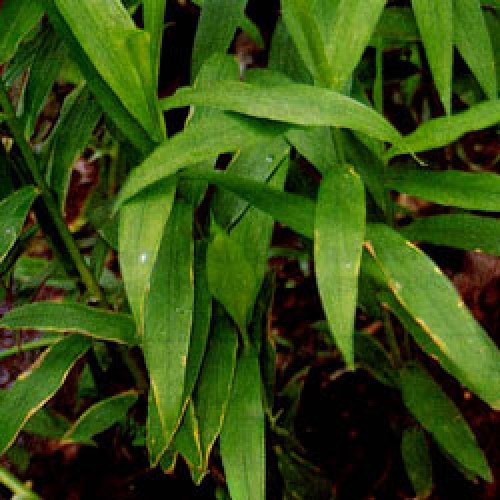
  • Leaves: Long, narrow, and lance-shaped with a soft, tropical green hue
  • Flowers: Pale lavender or purple with delicate fringed petals; emerge on cone-like inflorescences directly from the rhizome base
  • Aroma of Root: Cool, spicy, medicinal—sharper than ginger with camphoraceous and peppery top notes

Native Habitat & Growth Conditions
  • Native To: Thailand, Indonesia, Myanmar, and surrounding Southeast Asian regions
  • Preferred Soil: Well-drained, loamy or sandy soil with good organic matter
  • Climate: Hot, humid environments with a distinct rainy season
  • Harvest Time for Distillation: Typically harvested at the end of the rainy season, when rhizomes are at their most aromatic—often late autumn
  • Ecological Notes: Propagated by rhizome division; not invasive, but spreads steadily under proper tropical conditions

Energetic Botanical Signature
Plai is not a plant of soft edges—it grows strong, close to the ground, and stores its medicine in its root, hidden from view. Its flowers emerge from the base rather than the top, reminding us that healing doesn't always rise up—it often starts deep down.

It grows in moist, heat-drenched soil, thriving in the shadow and emerging fully only when ready. This mirrors its energetic action: meeting us in our internal overwhelm and coaxing clarity from the root upward. It is a plant of resilience, release, and restoration, grounded in both physical and spiritual medicine.

Energetics

Energetic Properties

This variety of Plai doesn’t sneak in quietly—it clears a path. Its spirit is sharp but not harsh, cutting through confusion, stagnation, and overwhelm with a kind of cool fire. Where other oils warm, this one opens. Where others soothe, this one makes space for you to breathe again.

It’s especially resonant when the lungs, heart, or mind feel compressed by emotion—grief, worry, overstimulation, or burnout. Northeastern Plai moves what’s stuck, not by flooding you with energy, but by giving your system a safe, open channel to release.

Energetic Themes:
  • Clearing energetic congestion—especially around the lungs, throat, and upper chakras
  • Opening the chest and auric field after grief or emotional contraction
  • Releasing “stuck wind” (emotional overwhelm, suppressed expression, psychic debris)
  • Dispersing confusion, mental fog, and internal looping
  • Supporting empaths and healers in clearing energetic residue from others
  • Encouraging forward movement when you’ve been energetically paralyzed or frozen

Spiritual Use:
Plai is a sacred clearing oil in traditional Thai spiritual practices. It is often burned or used in steam rituals to purify space and spirit. In energetic work, it can be used:
  • Before or after holding space for others, to reset your own field
  • In ceremony or journeywork where deep emotional release is expected
  • In breathwork, meditation, or journaling to support truth-speaking and spacious self-reflection
  • In blends for the throat and heart chakras, especially when grief has shut them down


Traditional & Folklore

In traditional Thai healing, Plai is root medicine—literal and spiritual. It has long been used by village healers and monks to treat bruises, inflammation, and pain, but its role goes far beyond the physical. Plai is part of sacred bodywork, often used before and after Thai massage to move energy, open breath, and restore flow. It’s also incorporated into temple rituals and spiritual bathing ceremonies meant to release trauma, cleanse the aura, and dispel malevolent energy.

Cultural + Medicinal Use:
  • In Thai Traditional Medicine, Plai is known as a “cooling” root, used to treat conditions caused by excessive internal heat—inflammation, swelling, pain, agitation. Healers would pound the rhizome into a paste or decoct it into balms and compresses for muscular pain, joint stiffness, and even fever.
  • The fresh root was used in ceremonial steams and infused baths to cleanse the body and spirit—especially after grief, childbirth, or energetic exposure.
  • Traditional midwives used Plai to ease postpartum pain and clear stagnation after labor, both physically and emotionally.
  • In spiritual cleansing rituals, Plai was burned or applied to the chest and temples to banish “bad wind,” spiritual toxins, or stuck emotions.
  • Monks and bodyworkers have used Plai oil for centuries in Nuad Boran, the sacred Thai bodywork system. It's applied before stretching or pressure work to soften fascia, move chi, and awaken energetic pathways.

This isn’t just a “herbal rub” plant. It’s a reset switch for the body and field. Whether in rural Thai villages or ceremonial steams led by monks, Plai has always been an ally for transformation and repair—a plant that helps you return to your body, your breath, and your truth.
Chemistry

Chemical Components

This chemotype of Plai is known for its cooler, sharper, and more penetrating profile—making it quite different from the warmer, more anti-inflammatory Central variety. Its chemistry aligns with its respiratory and energetic action, offering a unique blend of monoterpenes, sesquiterpenes, and aromatic phenyl compounds.

Primary Components (Typical for Northeastern Plai – exact values vary by batch)
  • Sabinene – This monoterpene dominates the profile and gives Plai its crisp, peppery, camphoraceous quality. Sabinene is known for its antioxidant, antimicrobial, and respiratory opening properties.
  • (E)-1-(3,4-dimethoxyphenyl)but-1-ene – A unique compound rarely found in other essential oils. It's believed to be responsible for many of Plai's analgesic and anti-inflammatory effects.
  • Terpinen-4-ol – A key oxygenated monoterpene, best known from Tea Tree. It offers antibacterial, antifungal, and immunomodulating effects, and contributes to Plai’s respiratory and immune-supportive qualities.
  • Alpha- and Beta-Pinene – Contribute to Plai’s decongestant and bronchodilating properties. These compounds also support alertness and clarity.
  • Limonene – Bright, uplifting, and lightly antimicrobial. Adds a slight citrus freshness and enhances emotional lightness.
  • Cineole (1,8-cineole) – Present in small but impactful amounts, it helps open airways, clear mucus, and sharpen the mind.
Therapeutic Implications of this Chemistry:
  • Excellent for respiratory relief and sinus opening
  • Disperses stagnation—physical or emotional
  • Supports nervous system clearing and energetic boundaries
  • Offers antimicrobial and immune-enhancing support
  • Stimulates subtle circulation and lymphatic movement


Recipes & Blends

Recipes & Blends

1. Deep Lung Relief Chest Balm
Purpose: To open airways, relieve tightness in the chest, and support respiratory recovery from cough, colds, or emotional suppression.
Ingredients:
  • 5 drops Plai (Zingiber cassumunar)
  • 3 drops Frankincense sacra (Boswellia sacra)
  • 2 drops Rosalina (Melaleuca ericifolia)
  • 1 oz organic calendula-infused jojoba oil
    Massage onto the chest and upper back. Use warm compress over heart-lung area to deepen effect.

2. Post-Workout Recovery Gel
Purpose: To soothe inflammation, pain, and muscular fatigue—ideal after deep tissue massage or physical exertion.
Ingredients:
  • 4 drops Plai
  • 3 drops Black Spruce (Picea mariana)
  • 2 drops Helichrysum italicum
  • 2 oz aloe vera gel or hydrosol-based gel base
    Apply generously to sore muscles. Store in the fridge for extra cooling action.

3. Energetic Detox Steam
Purpose: To clear psychic debris, reset the field, and open the lungs after emotional overwhelm.
Ingredients:
  • 2 drops Plai
  • 1 drop Lemongrass (Cymbopogon citratus)
  • 1 drop Tulsi (Ocimum sanctum)
    Add to a bowl of steaming water. Cover your head with a towel and breathe deeply for 5–7 minutes. Visualize “smoke” leaving your chest and mind.

4. Sacred Grief Massage Oil
Purpose: For grief that settles in the chest, for energy that won’t move, for the breath that feels held.
Ingredients:
  • 4 drops Plai
  • 2 drops Cypress (Cupressus sempervirens)
  • 2 drops Rose Otto (Rosa damascena)
  • 1 oz Moringa oil or other emotionally grounding carrier
    Apply to chest, heart center, and shoulders. Breathe with intention. Use before breathwork or journaling.


Safety Etc.

Safety Information

Plai essential oil is generally well-tolerated when used properly and diluted. It’s considered gentler than many other ginger species, especially on the skin and mucous membranes, which is one reason it’s traditionally used in direct body applications in Thai medicine.

That said, a few important safety notes:
  • Dilution: Recommended dermal dilution is 1–5%, depending on the condition and sensitivity of the skin.
  • Not for use during pregnancy due to its stimulating properties and historical use in postpartum care.
  • Avoid use near the eyes, inner ears, or mucous membranes.
  • Patch test before topical use, especially if the oil has been stored for over a year, as oxidation may increase skin reactivity.
  • While Plai is a rhizome-based oil and not phototoxic, always blend it appropriately and avoid use on broken skin.


Related Products

Orange, Sweet Essential Oil

Orange, Sweet Essential Oil

..

$8.00 Ex Tax: $8.00

Reviews (4)

Write a review

Note: HTML is not translated!
    Bad           Good
Powered By OpenCart
Stillpoint Aromatics © 2026