
Personal Use
(Citrus reticulata, leaf + twig)
Soft, sweet-green, and delicately citrus—Mandarin Petitgrain smells like a memory of safety. It’s gentler than bitter orange, less floral than clementine, and carries a round, comforting warmth with just enough brightness to lift the heart. Think of walking through a mandarin grove at dusk—earth beneath your feet, leaves in the breeze, and quiet calm all around.
Stillpoint’s Mandarin Petitgrain essential oil is steam distilled from the leaves and young twigs of Italian-grown Citrus reticulata. This oil captures the structural intelligence of the plant—not the fruit’s sweetness, but the tree’s quiet containment. It supports nervous system regulation, emotional reassurance, and breath-based grounding.
This is the oil for the soft reset—when you need to exhale, come back to yourself, and remember you’re safe in your own body.
Nervous System Support + Restorative Calm
Mandarin Petitgrain helps modulate overactive sympathetic response—especially when chronic stress has left you tired, tense, or emotionally threadbare. It’s particularly helpful for those who carry stress in the gut or chest.
Mandarin Petitgrain helps modulate overactive sympathetic response—especially when chronic stress has left you tired, tense, or emotionally threadbare. It’s particularly helpful for those who carry stress in the gut or chest.
Gentle Digestive Relief
Traditionally used in emotional digestive blends, this oil may support cramping, bloating, or upper abdominal tightness where anxiety is a root cause. It's a quiet gut-brain ally.
Traditionally used in emotional digestive blends, this oil may support cramping, bloating, or upper abdominal tightness where anxiety is a root cause. It's a quiet gut-brain ally.
Sleep + Transition Support
This oil can be a beautiful addition to nighttime blends for sensitive sleepers, or during transitions—after grief, travel, illness, or relational rupture. It doesn’t sedate—it steadies.
This oil can be a beautiful addition to nighttime blends for sensitive sleepers, or during transitions—after grief, travel, illness, or relational rupture. It doesn’t sedate—it steadies.
Energetic Regulation + Subtle Reconnection
Mandarin Petitgrain helps ease emotional entanglement, especially for those who feel energetically raw. It reestablishes gentle containment, helping you reconnect to your own field without disconnecting from others.
Mandarin Petitgrain helps ease emotional entanglement, especially for those who feel energetically raw. It reestablishes gentle containment, helping you reconnect to your own field without disconnecting from others.
Traditional Use
While all citrus leaf oils have a calming nature, Mandarin Petitgrain (Citrus reticulata, leaf + twig) has historically been used when gentle containment was needed more than uplift or clearing. In southern Italian and Mediterranean healing traditions, the leaves and twigs were reserved for those recovering from shock, deep grief, or emotional depletion—especially when the nervous system had been running too hard for too long.
This oil wasn’t just for rest—it was for re-entry into the body after prolonged stress, emotional rupture, or caregiving exhaustion. Its use was common in the care of children, elders, and empaths—anyone whose system had become porous, overstimulated, or emotionally raw.
Restorative for Convalescence & Collapse
Mandarin Petitgrain was often included in baths, compresses, or low-dilution oils during convalescent periods—after illness, loss, or emotional burnout. It was seen as a plant that held you together quietly, without needing you to be strong.
Gentle Sleep + Transition Support
The leaves were steeped or distilled into nighttime remedies for those who had trouble falling asleep—not just from anxiety, but from disorientation or emotional fatigue. It was ideal for those in transitions—after a move, a breakup, or a breakdown.
Containment for the Energetically Overexposed
Where Lemon clears and Clementine uplifts, Mandarin was used to gather the field—especially in individuals who had been caregiving, over-empathizing, or absorbing too much from others. It helped reestablish internal boundaries without cutting connection.
Emotional Re-integration
This oil’s traditional use centered around emotional repair—not stimulation, not sedation, but reorganization. It helped people come back to their own breath, their own heartbeat, their own timing.
Botany
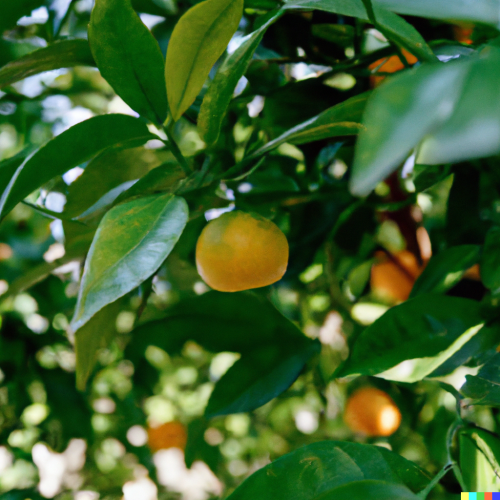
Citrus reticulata, commonly known as the mandarin tree, is a small to medium-sized evergreen in the Rutaceae family. While best known for its sweet, easy-to-peel fruit, it’s the leaves and twigs—the inner architecture of the plant—that give rise to Mandarin Petitgrain essential oil.
Stillpoint’s oil is steam distilled from the young leaves and twigs of trees grown in Italy, where the climate and soil encourage both aromatic complexity and energetic softness. This part of the plant reflects the nervous system intelligence of the tree—stable, supportive, and subtly expressive.
Botanical Name: Citrus reticulata
Family: Rutaceae
Common Names: Mandarin, Mandarin Petitgrain (leaf oil)
Plant Type: Evergreen fruiting tree
Part Used for Distillation: Leaves and young twigs
Growth Habit: Compact, rounded crown; typically 2–4 meters in height
Flowering Season: Spring
Harvest Time for Distillation: Late spring to early summer, when leaves are aromatic and twigs are supple
Family: Rutaceae
Common Names: Mandarin, Mandarin Petitgrain (leaf oil)
Plant Type: Evergreen fruiting tree
Part Used for Distillation: Leaves and young twigs
Growth Habit: Compact, rounded crown; typically 2–4 meters in height
Flowering Season: Spring
Harvest Time for Distillation: Late spring to early summer, when leaves are aromatic and twigs are supple
Physical Characteristics:
-
Leaves: Glossy, narrow, and deep green; release a sweet, calming aroma when crushed
-
Twigs: Slender, flexible, and green when young—rich in aromatic compounds when freshly cut
-
Flowers (not used in this oil): White, fragrant, attract pollinators in spring
-
Fruit (not used in this oil): Small, sweet, segmented; typically harvested in winter
Native Habitat + Growth Conditions:
-
Native To: Southeast Asia; now widely cultivated in Italy, Spain, and North Africa
-
Preferred Soil: Well-drained, sandy or loamy soils with moderate acidity
-
Sunlight: Full sun
-
Climate: Mediterranean; warm days and cool nights help concentrate aromatic compounds
-
Ecological Notes: Often grown in biodiverse citrus orchards; supports pollinator health in early spring
Energetic Botanical Signature
Mandarin Petitgrain comes from the internal scaffolding of the tree—the leaves that breathe and the twigs that hold form. It doesn’t blossom out or burst forth. It stabilizes. It carries the quiet force of what supports sweetness without needing to be sweet itself.
Unlike the fruit, which offers brightness and invitation, the leaves and twigs are about containment and coherence. They speak to the part of us that needs to feel safe before we can feel joy. This is structure medicine—not rigid, but rhythmic. It brings breath and softness where the system has gone hypervigilant.
The Italian-grown trees, with their full sun and coastal air, infuse this oil with resilient warmth. The climate writes itself into the chemistry: soft, grounding, and quietly vital. This isn’t an oil that pushes—it reminds. Of your breath. Of your container. Of your right to rest inside your own skin.
Mandarin Petitgrain teaches that healing doesn't always mean movement. Sometimes it means being held—gently, without demand—until your system remembers how to hold itself.
