
Personal Use
Lavender Essential Oil – Limited Reserve (Australia)
Lavandula angustifolia
Lavandula angustifolia
This isn’t your average, overused lavender. This is small-batch, high-altitude, Australian-grown Lavender—a Limited Reserve oil that offers the kind of clarity and comfort that only comes from pristine soil, pure water, and a lot of patience.
It carries the classic floral calm of Lavandula angustifolia, but with a cleaner, greener, more alive aroma—like walking through a sunlit field right before harvest. Gentle, but not sleepy. Grounding, but not heavy. It has that rare kind of presence that doesn’t just soothe you—it helps you reassemble.
Stillpoint’s Limited Reserve Lavender is steam distilled from the flowering tops of plants grown in the cooler, wind-kissed regions of southeastern Australia. The result is an oil with exceptional chemical balance and vibrational integrity—ideal for nervous system restoration, skin support, and grief that sits deep in the chest or the gut.
This is a one-season distillation, and once it’s gone, it’s gone. Lavender like this is medicine—and this particular batch is sacred in its simplicity.
Therapeutic Applications
Lavender (Lavandula angustifolia) has long been revered for its ability to soothe both body and spirit—but this Limited Reserve batch from southeastern Australia holds a deeper note of presence. This is medicine that doesn’t just calm—it helps you reweave the places in you that feel unraveled.
Nervous System Restoration + Sleep Support
-
Lavender is profoundly sedative, restorative, and rebalancing to the central nervous system.
-
Its high levels of linalool and linalyl acetate are responsible for its renowned effects on sleep and relaxation. Inhalation has been shown to:
-
Enhance deep sleep,
-
Alter EEG patterns toward calm brain states,
-
Reduce nighttime waking, and
-
Improve energy upon awakening (Battaglia).
-
-
Lavender has also demonstrated clinically significant anxiolytic effects—helping to reduce panic, agitation, and symptoms of depression.
-
Ideal for those with insomnia, overactive minds, trauma responses, or nervous exhaustion.
-
Pairs well with oils like Mandarin, Spikenard, or Roman Chamomile for deep surrender.
Clinical Analgesic + Postoperative Support
-
Clinical studies have shown that Lavender is an effective analgesic, particularly in post-surgical settings where pain and anxiety are intertwined.
-
It helps reduce physical pain, tension, and psychological stress in tandem—making it ideal for recovery, trauma care, or end-of-life comfort blends.
Respiratory Support
-
A lesser-known but powerful benefit: Lavender has shown anti-inflammatory action in the lungs, particularly helpful in stress-linked asthma and reactive airway issues.
-
May assist in reducing bronchial spasms, inflammation, and breath-holding linked to anxiety.
-
Consider using in steam blends or respiratory massage formulas with Frankincense or Eucalyptus radiata.
Skin Healing + Wound Repair
-
Lavender is one of the few oils that can be applied neat (undiluted) on small burns, cuts, and bites, though dilution is always recommended for larger areas or prolonged use.
-
Especially supportive in the early stages of wound healing to reduce pain, minimize inflammation, and prevent scarring.
-
Differentiate from Lavandin and Spike Lavender, which are more disinfecting—True Lavender supports regeneration and repair.
-
Also effective in the treatment of:
-
Eczema, acne, insect bites, bee stings, fungal infections, rashes, and sudden skin irritations
-
Acne-related bacterial conditions when used consistently in a diluted topical formula
-
Muscle + Digestive Spasm Relief
-
Lavender’s alcohols and esters offer antispasmodic and muscle-relaxant effects that make it effective for:
-
Menstrual cramps,
-
Digestive distress,
-
Tension headaches,
-
Spasmodic coughing,
-
Stress-related gut issues.
-
Headaches + Tension Patterns
-
Lavender excels at easing both vascular and tension headaches, especially those linked to neck strain, jaw clenching, or emotional pressure.
-
May be used in temples, scalp, or cervical massage; blends beautifully with Peppermint, Marjoram, or Helichrysum.
Heart + Emotional Regulation
-
Lavender is said to be a gentle heart tonic—traditionally used to support irregular heartbeat, emotional palpitations, and grief-induced tachycardia.
-
May help calm states of emotional shock, overwhelm, or panic, particularly when combined with Neroli or Rose Otto.
Lavender isn’t just a sleep aid or a pretty floral. This oil offers deep repair—for nerves, skin, muscles, and emotions. It’s one of the rare botanicals that crosses every layer of the body-mind with grace.
And this Limited Reserve batch from Australia? It’s the quiet healer with a fierce heart. The kind of medicine that knows how to sit with pain until the body is ready to heal.
Traditional Use
Lavender’s reputation as a healing ally stretches back millennia. Across cultures and continents, it has been used not just for its perfume or beauty—but as medicine, spiritual aid, and emotional balm.
Ancient Greece + Rome
-
Used for cleansing wounds, soothing skin ailments, and purifying air.
-
Added to bathwater for relaxation—“lavare” means “to wash” in Latin.
-
Roman soldiers carried lavender to cleanse wounds and guard against infection.
Persian and Arabic Traditions
-
Lavender flowers were brewed into teas and infusions for digestive complaints, nervous disorders, and melancholy.
-
Considered both a cooling remedy and a nervine tonic, it was used to calm the mind without dulling it.
European Folk Medicine
-
Used in herbal pillows to ward off nightmares, headaches, and grief.
-
Hung in doorways to protect against plague and negative spirits.
-
In the Middle Ages, lavender was distilled into tonics and tinctures for palpitations, dizziness, and fainting spells.
Ayurveda + Traditional Indian Medicine
-
While not native to India, lavender was later integrated into Ayurvedic practice for its vata-balancing, sedative, and anti-inflammatory qualities.
-
Often used in oils for massage, insomnia, joint pain, or nervous exhaustion.
Magical + Spiritual Use
-
Burned in rituals to clear spaces, ease grief, and invite peace.
-
Believed to strengthen the aura, protect against energy leaks, and open the heart to trust.
-
Carried in charm bags to soothe the spirit, encourage forgiveness, and release fear.
Early Western Medicine
-
Lavenders were listed in early pharmacopeias as treatments for burns, bruises, bites, colic, and hysteria.
-
Used in childbirth recovery, particularly to support the uterus and ease tension in the mother.
Lavender is one of those rare botanicals whose folk uses align seamlessly with modern science. Pain relief, emotional support, wound care, sleep, spiritual clarity—humans have known its gifts for centuries. This Limited Reserve batch honors that lineage with clarity and care.
Botany
Lavandula angustifolia is a perennial, evergreen shrub in the Lamiaceae (mint) family, widely regarded as one of the most therapeutically valuable species of lavender. Unlike its hybrid cousins (like Lavandin), true Lavender grows low to the ground, thrives in open sun, and flourishes in poor, rocky soil—making it both resilient and refined in its nature.
This particular oil comes from a small, limited reserve harvest in the cooler regions of southeastern Australia, where altitude, mineral-rich soil, and a longer maturation period shape a beautifully complex chemical profile.
Botanical Name: Lavandula angustifolia
Family: Lamiaceae
Common Names: True Lavender, English Lavender
Plant Type: Perennial evergreen shrub
Part Used for Distillation: Flowering tops (fresh)
Growth Habit: Bushy, compact plant, typically 1 to 3 feet tall
Flowering Season: Late spring through summer
Harvest Time for Distillation: When buds are vibrant, just before full bloom
Common Names: True Lavender, English Lavender
Plant Type: Perennial evergreen shrub
Part Used for Distillation: Flowering tops (fresh)
Growth Habit: Bushy, compact plant, typically 1 to 3 feet tall
Flowering Season: Late spring through summer
Harvest Time for Distillation: When buds are vibrant, just before full bloom
Physical Characteristics:
-
Leaves: Narrow, lance-shaped, silvery-green; aromatic when crushed
-
Stems: Square (typical of the mint family), semi-woody at base
-
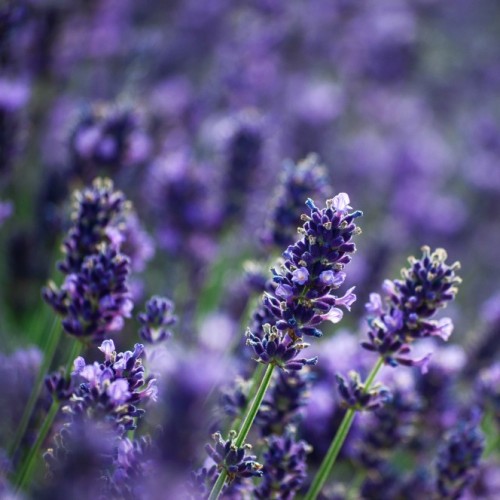
Flowers: Small, tubular, and purple; arranged in tight whorls along long spikes
-
Roots: Fibrous and shallow, allowing adaptability in rocky or dry soils
Native Habitat + Growth Conditions:
-
Native To: Mediterranean region
-
Grown In: Australia, France, Bulgaria, Tasmania, and select U.S. regions
-
Preferred Soil: Well-drained, alkaline, rocky or sandy soil
-
Sunlight: Full sun
-
Climate: Temperate to semi-arid; tolerates drought better than humidity
-
Ecological Notes: Attracts pollinators; resists most pests; stabilizes soil in erosion-prone areas
Energetic Botanical Signature
Lavender grows low, steady, and luminous—tapping into deep earth while lifting gently toward the sky. Her flowers spiral upward in sacred geometry, echoing her ability to help the body realign with its own wisdom. She thrives in exposed, windy places—proving that you can grow strong and fragrant even in hard conditions.
This plant teaches nervous system resilience through structure, not suppression. Her strength is quiet but unwavering, offering both containment and space to breathe.
