
Personal Use
Lavender Maillette Essential Oil
Lavandula angustifolia ‘Maillette’
Floral | Herbaceous | Quietly Restorative
Small-Batch Distillation for Stillpoint
Lavender Maillette is not generic lavender.
And honestly, lavender needs that said out loud.
Lavender is one of the most overused and under-respected essential oils in the world. It has been shoved into fake fragrance products, laundry soap, candles, plug-ins, lotions, and every pretend “relaxing” thing imaginable until people forget what real lavender actually is.
Real Lavandula angustifolia is not fake purple comfort.
It is serious plant medicine.
Lavender Maillette is a fine true lavender cultivar with a soft floral-herbaceous aroma and a dry, elegant facet that keeps it from becoming overly sweet or powdery. It has the familiar calm of true lavender, but with more refinement, more clarity, and a beautiful aromatic balance between softness and structure.
This particular Lavender Maillette is a small-batch distillation made especially for Stillpoint, and that matters. Lavender changes with soil, altitude, climate, harvest, distiller, and place. The chemistry may only shift slightly from country to country within true lavender, but the energetic signature can feel very different. The land leaves its fingerprint. The distiller leaves their care. The plant carries the energy of where it grew.
That is not marketing fluff. That is aromatic reality.
Lavender Maillette is one of those oils that reminds us why lavender became beloved in the first place. Not because it smells “pretty,” but because it knows how to meet the nervous system, the skin, the breath, the heart, and the places in the body where tension has forgotten how to let go.
I often think of true lavender as a Bridge Oil. It blends beautifully with almost everything, but more than that, it helps connect oils that might otherwise feel unrelated. It softens sharp edges, brings harmony into a formula, and helps the blend make sense. Lavender does this physically, aromatically, emotionally, and energetically.
This oil is for the exhausted nervous system.
For stress held in the body.
For sleep that will not come easily.
For skin that needs comfort.
For wounds, burns, headaches, emotional overload, and the places where the system needs help returning to center.
For stress held in the body.
For sleep that will not come easily.
For skin that needs comfort.
For wounds, burns, headaches, emotional overload, and the places where the system needs help returning to center.
Lavender Maillette does not knock you out.
It reminds the body that peace is still possible.
Therapeutic Applications
Nervous System Support + Stress Relief
-
Lavender Maillette may support the nervous system during stress, tension, emotional overload, anxiety-like states, and general nervous exhaustion.
-
True lavender is widely valued for its calming, soothing, and balancing effects.
-
It may be useful when someone feels:
-
Overstimulated
-
Emotionally tense
-
Restless
-
Irritable
-
Mentally overactive
-
Unable to settle
-
Worn thin by stress
-
-
Lavender’s calming qualities are largely associated with constituents such as linalool and linalyl acetate, which help give true lavender its relaxing, nervous-system-supportive profile.
-
Lavender Maillette is especially useful when the system does not need to be forced into stillness, but gently invited back into itself.
Sleep + Rest Support
-
Lavender is one of the classic essential oils used to support sleep, rest, and relaxation.
-
Lavender Maillette may be helpful in:
-
Bedtime blends
-
Bath blends
-
Pillow sprays
-
Diffuser blends
-
Personal inhalers
-
Evening body oils
-
Restorative massage blends
-
-
Inhalation of true lavender has been associated with relaxation, sedation, improved sleep quality, and deeper rest.
-
This is not “spiritual chloroform.”
-
Lavender does not drag the body into sleep.
-
It helps the nervous system stop clenching long enough for rest to become possible.
Pain + Tension Support
-
Lavender Maillette may be useful in blends for discomfort, tension, and stress-related pain patterns.
-
Lavender has traditionally been used for:
-
Headaches
-
Muscle tension
-
Nervous-system-related pain
-
Post-stress body holding
-
General aches connected to tension
-
Pain and anxiety support in recovery settings
-
-
Clinical studies have explored lavender’s role in reducing pain and anxiety, especially in situations where the nervous system and physical discomfort are closely linked.
-
This makes Lavender Maillette especially useful where pain is not just mechanical, but tied to stress, fear, bracing, or emotional overload.
Headache Support
-
Lavender has a long history of use in headache blends, especially when the headache is connected to tension, stress, exhaustion, or overstimulation.
-
Lavender Maillette may be useful in:
-
Temple oils at very low dilution
-
Neck and shoulder massage blends
-
Personal inhalers
-
Resting-room diffuser blends
-
Cooling compress blends
-
-
Its calming and lightly analgesic qualities make it a beautiful support when the head feels tight, the mind feels overloaded, and the body needs quiet.
-
Use carefully around the eyes and avoid applying essential oils too close to the face.
Skin Comfort + Wound Support
-
True lavender is traditionally valued for skin comfort, wound support, burns, minor skin irritation, and early-stage skin repair.
-
Lavender Maillette may be useful in properly diluted topical blends for:
-
Minor burns
-
Scrapes
-
Irritated skin
-
Blemishes
-
Skin redness
-
Minor wounds
-
General skin comfort
-
Post-sun skin support, when properly formulated
-
-
True lavender is especially loved because it supports the skin while also calming the person inside the skin.
-
That matters.
-
Skin healing is not only tissue repair. The nervous system is always in the room.
Respiratory Ease + Inflammatory Support
-
Lavender Maillette may support respiratory comfort when stress, tension, inflammation, or irritation are part of the pattern.
-
Lavender has been studied for anti-inflammatory activity and has been explored in relation to respiratory complaints, including asthma-related inflammation.
-
It may be useful in gentle respiratory blends when someone needs:
-
Calmer breathing
-
Less respiratory tension
-
Softer chest support
-
Emotional ease around breathing
-
A non-aggressive respiratory oil
-
-
Lavender is not Eucalyptus.
-
It does not blast the airways open.
-
It softens, calms, and helps the breath feel less guarded.
Emotional Balance + Mood Support
-
Lavender Maillette may support emotional balance during anxiety-like states, low mood, emotional fatigue, grief tenderness, and nervous-system overload.
-
It is especially helpful when someone feels:
-
Frayed
-
Sad
-
Depleted
-
Emotionally raw
-
Overwhelmed
-
Unable to settle
-
Tired but still wired
-
-
Lavender does not erase pain or pretend life is peaceful when it is not.
-
It helps the system come back from the edge.
-
This is why real lavender is not basic. Real lavender is profound when you stop treating it like a fake candle scent.
Bridge Oil + Formulation Support
-
Lavender Maillette is a beautiful Bridge Oil in aromatic formulation.
-
It can help connect oils that might otherwise feel difficult to blend together.
-
It may soften:
-
Sharp citrus oils
-
Strong medicinal oils
-
Heavy resins
-
Intense florals
-
Camphoraceous oils
-
Herbaceous or spicy notes
-
-
In a blend, Lavender can bring:
-
Harmony
-
Softness
-
Integration
-
Skin comfort
-
Nervous system ease
-
Emotional coherence
-
-
This is one of Lavender’s great gifts.
-
It helps the formula find its center.
Traditional Use
Nervous System | Skin + Wounds | Rest + Digestive Ease
Lavender Maillette is a cultivar of true lavender, Lavandula angustifolia, so its traditional plant use belongs to the long herbal lineage of true lavender: flowers, flowering tops, infused oils, teas, baths, compresses, sachets, waters, and aromatic preparations used to calm the nerves, comfort the skin, support rest, ease tension, and bring cleanliness and sweetness into the home.
Maillette itself is a cultivated type, so the old traditional uses belong to the broader true lavender plant rather than this cultivar alone. That distinction matters. We are honoring the plant without pretending medieval herbalists were out there saying, “Ah yes, the Maillette cultivar.” They were not. But they absolutely knew lavender.
Nervous System + Restlessness
-
Lavender has a long traditional history as a calming herb for nervous tension, restlessness, stress, and sleeplessness.
-
Traditional uses include:
-
Restlessness
-
Nervous tension
-
Trouble sleeping
-
Emotional agitation
-
Stress-related exhaustion
-
Nervous palpitations
-
General “frayed edges” of the system
-
-
The dried flowers and flowering tops were used in teas, baths, sachets, pillows, and aromatic waters to help settle the body and spirit.
-
The German Commission E monograph includes lavender flower among traditional herbal preparations for restlessness, insomnia, and nervous digestive discomfort.
-
This is one reason true lavender became such a household medicine: it does not only smell beautiful. It helps the human animal come down from the ledge.
Sleep + Bedtime Use
-
Lavender has been traditionally used in sleep pillows, sachets, baths, and evening teas to support rest.
-
Traditional preparations include:
-
Dried lavender pillows
-
Linen sachets
-
Bedside bundles
-
Lavender tea
-
Lavender baths
-
Aromatic waters
-
Infused oils for evening massage
-
-
Lavender was often placed with linens or near the bed because its scent was associated with cleanliness, calm, and sleep.
-
Modern reviews continue to discuss lavender’s long-standing use for relaxation, sedation, and sleep support, especially through inhalation and aromatic exposure.
-
This is not about knocking the body unconscious. Lavender’s traditional sleep medicine is gentler than that: quiet the field, soften the nerves, and let rest become possible.
Skin, Burns + Wound Care
-
Lavender has a strong traditional relationship with skin care, burns, minor wounds, and irritated tissue.
-
Traditional uses include:
-
Minor burns
-
Cuts
-
Scrapes
-
Insect bites
-
Skin irritation
-
Wound washing
-
Compresses
-
Infused oils and salves
-
-
Lavender flowers and preparations were used in washes, compresses, and topical applications where the skin needed comfort and tending.
-
Historical and herbal sources describe lavender as a folk remedy used for insect bites, burns, cleaning wounds, and skin support.
-
This is one of the reasons real true lavender should never be reduced to “relaxing purple smell.” Lavender is skin medicine, nervous system medicine, and household medicine all in one.
Headaches, Tension + Pain
-
Lavender has been traditionally used for headaches, tension, soreness, and pain patterns connected to stress.
-
Traditional uses include:
-
Headaches
-
Tension headaches
-
Sore joints
-
Toothache
-
Muscle tension
-
Nervous pain
-
Stress-related body discomfort
-
-
Lavender preparations were used externally in compresses, infused oils, and aromatic applications, and internally as herbal preparations depending on the tradition and context.
-
Historical lavender references include traditional medicinal use for headaches, nervous palpitations, toothaches, sore joints, colic, coughs, and digestive rumbling.
-
This is where Lavender Maillette’s quiet elegance becomes useful: it does not attack pain. It softens the nervous system around it.
Digestive Discomfort Linked to Stress
-
Lavender has been used traditionally when digestion was affected by nervous tension.
-
Traditional uses include:
-
Nervous stomach
-
Gas
-
Colic
-
Digestive rumbling
-
Stress-related digestive discomfort
-
Tightness in the belly connected to anxiety or agitation
-
-
Lavender flower was traditionally used as tea or herbal preparation when the stomach and nerves were talking to each other — which, let’s be honest, they usually are.
-
Commission E includes lavender flower in traditional herbal contexts for restlessness and functional digestive discomfort, including nervous intestinal complaints.
-
Lavender’s traditional digestive use is not fiery like Ginger or bitter like Gentian. It works more through relaxation, softening, and helping the belly unclench.
Respiratory + Chest Comfort
-
Lavender has also been traditionally used for coughs, hoarseness, and respiratory discomfort.
-
Traditional uses include:
-
Coughs
-
Hoarseness
-
Chest tightness related to tension
-
Respiratory discomfort
-
Steam or aromatic preparations
-
Baths and rubs during cold-season discomfort
-
-
Lavender is not a hard-hitting respiratory oil like Eucalyptus or Rosemary.
-
Its plant medicine is softer: calm the nervous system, reduce tension around the breath, and support comfort when the chest feels tight or irritated.
-
Traditional historical references include lavender use for hoarseness, coughs, and related discomforts.
Bathing, Washing + Cleanliness
-
Lavender’s name is often connected with washing, bathing, and cleansing traditions.
-
The word “lavender” is commonly linked to the Latin lavare, meaning “to wash,” reflecting its long association with baths, scented waters, and clean linens.
-
Traditional uses include:
-
Bathing herbs
-
Scented waters
-
Linen sachets
-
Laundry fragrance
-
Household freshness
-
Body fragrance
-
Cleansing rituals
-
-
This is part of Lavender’s deep medicine: it cleanses without becoming harsh.
-
It belongs to the bath, the sickroom, the linen drawer, the wound wash, the bedroom, and the altar.
Household Use + Linen Medicine
-
Lavender was traditionally used in sachets, potpourri, dried bundles, and linen storage.
-
Household uses include:
-
Freshening linens
-
Scenting clothing
-
Keeping stored garments pleasant
-
Supporting sleep through pillow sachets
-
Potpourri and room fragrance
-
Wedding and household blessing traditions
-
Helping deter moths and insects in stored fabrics
-
-
Dried lavender flowers have long been placed among linens and clothing for fragrance and insect-deterring purposes.
-
This is not glamorous medicine, but it is real medicine: the bed smells clean, the room feels calmer, the clothes carry sweetness, and the nervous system gets a little less assaulted by the world.
Culinary + Tea Use
-
True lavender, Lavandula angustifolia, has also been used in culinary preparations, especially in small amounts.
-
Traditional and household uses include:
-
Teas
-
Syrups
-
Vinegars
-
Honey
-
Baked goods
-
Herb blends
-
Flower sugars
-
Dessert flavoring
-
-
Culinary lavender is most often associated with English lavender / true lavender types, used carefully because the flavor can become soapy if overdone.
-
In plant terms, this matters because lavender was not only a perfume plant. It crossed boundaries: medicine cabinet, kitchen, bath, garden, bedroom, and sacred space.
Emotional + Spiritual Benefits
-
Traditionally, lavender has been associated with peace, purity, calm, protection, love, and emotional soothing.
-
Its emotional benefits come through its practical uses:
-
Calming the nervous system
-
Supporting sleep
-
Softening grief and agitation
-
Comforting the body after stress
-
Freshening the home
-
Bringing sweetness to linens, baths, and sickrooms
-
-
Lavender has been used throughout history as a folk remedy, cosmetic water, linen scent, and plant for soothing the “fractious spirit.”
-
That phrase matters because it points to what lavender has always known: sometimes the spirit gets sharp, tired, and hard to live inside.
-
Lavender helps soften the edges.
Lavender Maillette carries this old true lavender medicine in a refined, small-batch form: nervous system support, rest, skin comfort, wound tending, headache ease, gentle digestive support, clean linens, soft baths, and the quiet return of peace to the body.
Botany
Maillette’, commonly known as Lavender Maillette, is a cultivated form of true lavender in the Lamiaceae family. True lavender is native to the Mediterranean region and has been grown for centuries for its fragrant flowering tops, soothing herbal preparations, perfumery, distillation, and traditional household use.
Lavender Maillette is a fine lavender type known for its floral, herbaceous aroma with a dry facet. The essential oil is steam distilled from the flowering tops. This small-batch distillation for Stillpoint carries the classic true lavender profile, but with its own place-based signature — shaped by the soil, climate, harvest timing, distiller, and the living field where it was grown.
Botanical Profile
-
Botanical Name: Lavandula angustifolia ‘Maillette’
-
Family: Lamiaceae
-
Common Names: Lavender Maillette, Maillette Lavender, True Lavender, Fine Lavender
-
Plant Type: Aromatic perennial subshrub
-
Part Used for Distillation: Flowering tops
-
Growth Habit: Compact, woody-based, branching subshrub with upright flowering stems and narrow aromatic leaves
-
Height: Usually about 1–3 feet tall, depending on growing conditions, pruning, climate, and field management
-
Flowering Season: Late spring through summer, depending on region, altitude, and climate
-
Harvest Time for Distillation: Flowering tops are typically harvested when the flowers are in bloom and the aromatic compounds are well developed
Physical Characteristics
-
Leaves: Narrow, linear to lance-shaped leaves; gray-green to silvery-green; highly aromatic when brushed or crushed
-
Stems: Woody at the base with slender green flowering stems rising above the foliage
-
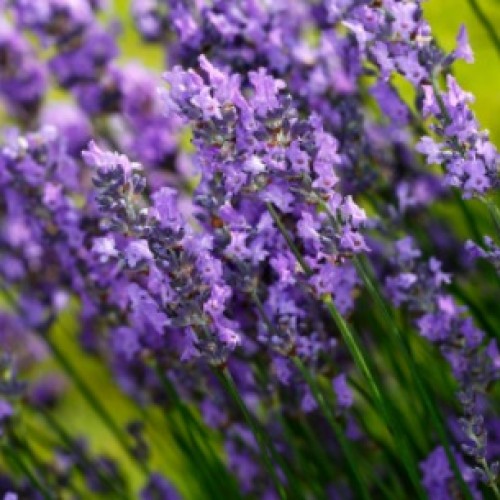
Flowers: Small tubular purple to violet-blue flowers arranged in terminal spikes
-
Flowering Tops: The aromatic flowering spikes are the primary plant part used for distillation
-
Aroma: Floral, herbaceous, soft, sweet, slightly dry, clean, and deeply recognizable as true lavender
-
Overall Form: Compact, orderly, sun-loving, and highly aromatic, with a refined flowering structure
Native Habitat + Growth Conditions
-
Native To: True lavender is native to the Mediterranean region, especially dry, sunny, rocky areas of southern Europe
-
Preferred Soil: Well-drained, sandy, rocky, or calcareous soils; does not like heavy, waterlogged soil
-
Sunlight: Full sun
-
Climate: Dry, sunny, temperate to Mediterranean climates
-
Water Needs: Low to moderate once established; prefers good drainage and air flow
-
Ecological Notes: Lavender supports pollinators, especially bees, and thrives in exposed, sunlit conditions where many softer plants would struggle
Energetic Botanical Signature
Lavender Maillette teaches through order, light, and aromatic softness held on woody stems. It is not a sprawling, watery, chaotic plant. It grows with structure — compact, upright, sun-loving, and rooted in dry ground. Its medicine rises through narrow leaves and flowering spikes, offering calm without collapse and softness without weakness.
This is the doctrine of true lavender: peace requires structure. Lavender does not become soothing because it is fragile. It becomes soothing because it knows how to hold form, gather light, survive dry places, and still offer fragrance, nectar, and comfort. Lavender Maillette carries the teaching that gentleness is not the absence of strength. It is strength refined enough to become peace.
