
Every order ships USPS Priority — $10.95 flat-rate USPS Priority shipping on all US orders, no minimum. Free shipping on domestic orders over $299.
Welcome to Stillpoint. Subscribe to our newsletter for sale details and new-product news · One discount code per order · Every order is hand-poured, packed with care in ceremony, and shipped as we receive it.

Himalayan Soti Essential Oil | Respiratory Clarity & Energetic Cleanse

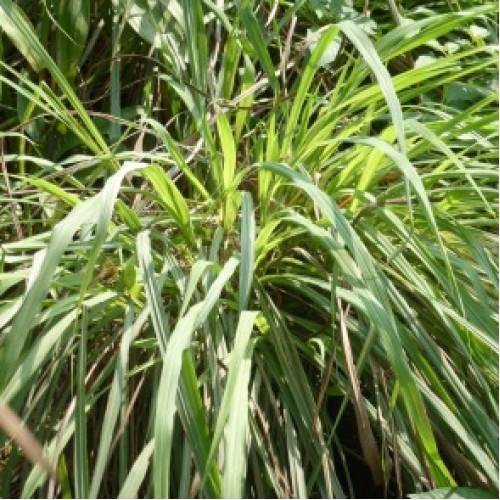
Cymbopogon spp.

  • Himalayan Soti Essential Oil | Respiratory Clarity & Energetic Cleanse

Average Rating: (see reviews)

$10.00 Ex Tax: $10.00

GC/MS Report

Gas Chromatography Analysis (%)

Monoterpenes

δ-2-carene 26.43
d-limonene 2.76
β-phellandrene 0.76
α-phellandrene 0.51
para-cymene 0.45
myrcene 0.22
α-terpinene 0.18
camphene 0.16
cis-β-ocimene 0.12
para-cymenene 0.10

Monoterpenols

cis-p-menth-2-en-1-ol 3.32
trans-p-menth-2-en-1-ol 2.13
trans-piperitol 1.31
cis-piperitol 1.14
α-terpineol 1.04

Sesquiterpenols

1-epi-cubenol 0.36
Epi-cubebol 0.29
cubebol 0.26
β-eudesmol 0.22

Sesquiterpenes

δ-cadinene 1.52
β-caryophyllene 1.17
β-copaene 0.55
cyclosativene 0.52
α-copaene 0.43
trans-cadina-1(6),4-diene 0.31
trans alpha bergamotene 0.31
α-muurolene 0.27
β-elemene 0.24
β-bourbonene 0.17
β-cubebene 0.15
cuparene 0.12
α-ylangene 0.10
zonarene 0.10
α-humulene 0.08

Esters

Decyl acetate 0.43
neryl acetate 0.34
2-trans-Decenyl acetate 0.10

Aliphatic Aldehydes

alpha-Terpinene-7-al 0.24

Ketones

piperitone 42.46

Oxides

caryophyllene oxide 1.18
dehydro-1,8-cineole 0.19

Ethers

4-epi-cis-dihydroagarofuran 0.50
β-dihydroagarofuran 0.14

Essential Facts

  • Latin Name: Cymbopogon spp.
  • Country of Origin: Bhutan
  • Botanical Family: Poaceae
  • Plant Parts: Grass
  • Note Classification: Middle
  • Cultivation Method: Unsprayed
  • Method of Extraction: Steam or Hydro Distillation
  • Extraction Date: August 2024
  • Approx. Shelf Life: 6 years
  • Batch: himsot
  • Aroma: Cool, Earthy, Exotic, Fresh, Green, Slightly musky, Slightly sweet
  • Energetic Applications: 1st Chakra - survival and support, 2nd Chakra - relationships, creation energy, 4th Chakra - unconditional love, 6th Chakra - perspective, Balancing, Expansive, Grounding, Meditative, Purifying
Notes & Use

Personal Use

Himalayan Soti Essential Oil (Cymbopogon spp.) – Nepal
This oil cuts through noise. It doesn’t whisper—it clears. Stillpoint’s Himalayan Soti, steam distilled from wild Cymbopogon grasses high in the Himalayan foothills, carries a clean, sharp, lemon-herb clarity layered with green resin and mountain wind. It feels like something you’d walk through barefoot on sacred ground—purifying, honest, and unapologetically alive.

The aroma opens with a bright citrusy bite, not as sugary or round as lemongrass, but more refined—herbaceous, slightly balsamic, and dry. There’s an undercurrent of medicinal sharpness, but it never overwhelms. It’s an oil of movement, focus, and vibrational reset.
Traditionally used in Nepal for its antibacterial, anti-inflammatory, and purifying properties, Soti is burned in homes and temples to clear illness, negative energy, and emotional heaviness. It’s not a comfort oil—it’s a clearing tool. A cleanser of systems—energetic and physical.

This batch is wild-gathered and distilled in micro-quantities, honoring both the plant and the land. The oil is rare, uncommercialized, and rooted in tradition. This isn’t perfume. It’s plant communication in its most direct form.

Therapeutic Applications
Himalayan Soti is not your everyday grass oil. While its chemistry shares lineage with lemongrass and palmarosa, its actions are more subtle, more spiritual, and more vibrationally attuned to clearing fatigue—mental, emotional, and physical. This oil doesn’t just stimulate—it restores and refines.

Nervous System & Mental Fatigue
  • Traditionally used in Nepal to relieve mental exhaustion, cloudy thinking, and low motivation
  • A gentle nervine and adaptogenic support, helping to clear static without overstimulating
  • Use in inhalers, focus blends, or post-ceremonial recovery when the mind feels scattered or flat

Respiratory & Immune Support
  • Supportive in blends for asthma, congestion, and upper respiratory tension, especially when combined with Eucalyptus, Fir, or conifer oils
  • Known to be antimicrobial and antiviral, making it helpful for respiratory infections and general immune support
  • Can be diffused or used in steam blends during flu season or emotional heaviness in the chest

Cardiovascular & Digestive Health
  • Folk use includes support for cardiac health and viral intestinal infections
  • May assist with emotional digestion as well—moving stuck tension in the solar plexus or gut
  • Use diluted in abdominal massage blends for gentle energetic and physical clearing

Musculoskeletal Clearing
  • Warming and mildly analgesic; may assist with minor aches, tension, and inflammation
  • Useful in blends for energetic release stored in the shoulders, neck, or back—where fatigue crystallizes into pain

This oil isn’t a stimulant—it’s a path clearer. Especially for those navigating spiritual fatigue, burnout, or energy fragmentation.

Traditional Use

In Nepal, Soti is not just a plant—it’s a purifier. For generations, its dried stalks and fresh blades have been burned in homes, temples, and healing spaces to clear illness, chase off negative spirits, and refresh the body-mind field.

While Western aromatherapy often leans on more commercial Cymbopogon oils like Lemongrass or Palmarosa, Soti has remained a localized healing ally, used by indigenous and village healers for its antimicrobial, cleansing, and grounding properties.

Traditional Applications:
  • Burned as incense to disinfect rooms, drive away illness, and purify sacred space
  • Used in sweeping rituals and floor washes to energetically cleanse homes after arguments, death, or disease
  • Boiled in decoctions or used in steam treatments for coughs, viral infections, or fevers
  • Incorporated into baths or massage oils to relieve body tension, clear “cold” from the joints, and restore circulation
  • Known to support spiritual hygiene, especially for those doing energy work, priestly duties, or deep grief tending

Where modern oils are often boxed into skin, muscle, or sleep categories, Soti resists that narrowing. It’s a multidimensional plant—equally comfortable in a sick room, a spiritual ceremony, or an energetic reset blend.
This oil has roots in the village healer's basket—humble, sacred, and deeply respected.

Botany

Himalayan Soti refers to a wild Cymbopogon species native to the high-altitude regions of Nepal, particularly the mid-hill and Himalayan zones. While it's botanically related to more widely known grasses like lemongrass and citronella, Soti is its own expression—chemotyped by altitude, climate, and terrain. This isn’t a cultivated monocrop—it’s a wild, region-specific plant with deep ethnobotanical roots.
This essential oil is steam distilled from the fresh aerial parts (leaves and stems) of the plant. It grows in rocky, mineral-rich soils and open sun, often near terraced fields, temple trails, and rural homesteads. Its presence in the wild is both medicinal and sacred—used not just for the body, but for the spirit and the space it lives in.

Botanical Name: Cymbopogon spp. (exact species unidentified—regionally known as "Soti")
Family: Poaceae (Grass family)
Common Names: Himalayan Soti, Wild Nepalese Grass, Sacred Clearing Grass
Plant Type: Perennial aromatic grass
Part Used for Distillation: Aerial parts (leaves and stems)
Growth Habit: Clumping, tall, upright; up to 1–1.5 meters in height
Flowering Season: Late summer to early fall
Harvest Time for Distillation: Before flowering—when volatile oils are at their peak

Physical Characteristics:
  • Leaves: Long, linear blades with a strong lemony, camphorous aroma when crushed
  • Stems: Upright and fibrous, often tinged with red or purple near the base
  • Roots: Shallow, fibrous root system suited to rocky soils
  • Overall Growth Pattern: Sturdy, sun-seeking, and wind-tolerant—grows well on exposed slopes

Native Habitat + Growth Conditions:
  • Native To: Mid-to-high elevation regions of Nepal (1,000–2,500 meters)
  • Preferred Soil: Well-drained, rocky or sandy loam; mineral-rich
  • Sunlight: Full sun
  • Climate: Subtropical to temperate mountain climates; thrives in monsoon seasons
  • Ecological Role: Grows wild near human settlements and spiritual sites; contributes to local pollinator and herbivore networks

Energetic Botanical Signature
Soti’s structure reflects its role: it grows upright and strong on precarious ground. It stabilizes the soil it grows in, just as it stabilizes the subtle body. Its blades are cutting but not aggressive—they cleanse with intention. And like many sacred Himalayan plants, Soti grows on thresholds—the places between village and wilderness, ceremony and daily life.
Energetically, it’s a plant of discernment, boundaries, and breath. It reminds us how to hold our ground with clarity—not force.

Energetics

Energetic Properties

Himalayan Soti is an energetic purifier with backbone. It doesn’t just clear—it restores integrity. This is the oil you reach for when the field feels dirty, the breath feels tight, or the soul just wants a moment of silence.

Its high-altitude chemistry and traditional use tell the same story: removal of what doesn’t belong. And not in a harsh, forceful way—but with precision, purpose, and vibrational steadiness.

It’s a breath-restoring, fog-clearing, cord-cutting ally for sensitives, space holders, and those navigating burnout or psychic saturation. It brings the pieces back into place without bypassing what was scattered.

Energetic Themes:
  • Clearing stuck energy from the lungs, solar plexus, and mental body
  • Restoring clarity and connection after energetic entanglement
  • Supporting energetic and emotional boundaries—especially for empaths
  • Reclaiming presence after burnout, soul fatigue, or ceremonial overwhelm
  • Helpful in releasing psychic debris and energetic congestion
  • Protective in nature—not a shield, but a reset switch

Spiritual Use:
Use Himalayan Soti in space clearing, breathwork, cord-cutting rituals, and post-session recovery. It’s excellent in blends for aftercare following deep healing work or when working in dense or chaotic environments.
Apply (diluted) to the sternum, back of neck, or feet for grounding clarity. Diffuse or mist to clear a room of lingering tension, emotional overwhelm, or spiritual noise. An ideal oil for meditation prep, energetic integration, and field repair.

Traditional & Folklore

In rural Nepalese tradition, Soti is more than a plant—it’s a spiritual tool. It grows alongside temples, homes, and footpaths, and has long been woven into purification rituals, ancestral offerings, and daily energetic hygiene. It doesn’t just clear air—it clears presence.

Cultural Uses:
  • Burned as sacred smoke (dhoop or incense) to drive away bad spirits, clear sickness, and prepare sacred space for prayer or meditation
  • Used in traditional postpartum rituals to cleanse the home, restore vitality to the mother, and protect the infant from negative influences
  • Boiled in water or added to steam tents to help remove “cold” from the body, particularly after illness or energetic depletion
  • Planted near homes or harvested during festivals as a symbol of protection, renewal, and transition

Energetic Roles in Folk Healing:
  • Called upon during shamanic ceremonies and cleansing rites to help remove energetic attachments or psychic debris
  • Considered especially powerful when gathered with prayer, just after sunrise—when dew is still present and the spirit of the plant is most alive
  • Used to anoint the body (infused or diluted) to protect the aura and restore vitality to the solar plexus and lung meridians

Soti lives in the liminal—between seasons, between realms, between the sacred and the everyday. Its folklore is not about myth—it’s about lived wisdom, passed down through breath, smoke, and soil.
Chemistry

Chemical Components

Himalayan Soti doesn’t follow the same chemical roadmap as common Cymbopogon oils like Lemongrass or Palmarosa. This is a chemotype all its own, grown in the higher altitudes of Nepal, and its chemistry reflects that terrain: resilient, clarifying, and surprisingly complex.
The dominant compound in this batch is piperitone—a monoterpene ketone rarely seen at this concentration in commercial oils. At 42.46%, it gives this oil its powerful clearing and decongestant quality—cooling, camphoraceous, and deeply penetrating.

Primary Compounds (GC/MS Highlights):
  • Piperitone (42.46%) – Monoterpene ketone
     Strong mucolytic, respiratory clearing, decongestant, antimicrobial
    Energetically: clears mental fog, psychic congestion, stuck grief in the lungs
  • δ-2-Carene (26.43%) – Monoterpene
    Antihistamine-like effect, anti-inflammatory, respiratory opening
    Energetically: helps move “held breath” states—overwhelm, grief, constriction
  • cis-p-menth-2-en-1-ol (3.32%) + trans-p-menth-2-en-1-ol (2.13%) – Monoterpenols
    Mildly antimicrobial and anti-inflammatory, contribute to smooth drydown
  • d-Limonene (2.76%) – Monoterpene
    Uplifting, liver-supportive, emotionally clarifying
  • α-Terpineol (1.04%)
    Calming, antiviral, helps round out the sharper edges
  • β-Caryophyllene (1.17%) – Sesquiterpene
     Anti-inflammatory, pain-modulating, emotionally grounding
  • Caryophyllene oxide (1.18%)
    Gentle, stabilizing, antimicrobial

Therapeutic Implications of This Chemistry:
  • Exceptional respiratory oil—clears lungs, sinuses, and blocked breath
  • May support chronic congestion, grief-related chest tightness, and asthma
  • Mild analgesic and anti-inflammatory support for joints and tissue
  • Energetically helps reset emotional overstimulation or residual trauma "noise"
  • Strong but not caustic—ideal for vibrational blends that need clarity and movement without shock
Recipes & Blends

Recipes & Blends

Lung Clearing Steam Inhalation
For congestion, grief-held breath, or upper respiratory tightness
  • 3 drops Himalayan Soti
  • 2 drops Eucalyptus globulus (crude or unrefined)
  • 1 drop Niaouli (Melaleuca quinquenervia CT cineole)
Use: Add oils to a bowl of hot water. Drape towel over head and inhale gently for 5–7 minutes. Ideal for morning use or post-crying fatigue.

2. Energetic Joint & Nerve Massage Oil
For emotional tension held in the neck, shoulders, or lower back
  • 4 drops Himalayan Soti
  • 3 drops Black Spruce (Picea mariana)
  • 3 drops Lavender (Lavandula angustifolia)
  • 1 oz trauma-healing carrier (like St. John’s Wort–infused oil)
Use: Massage gently into affected areas after emotional release or energetic work. Supports muscle relaxation and nervous system reset.

Energetic + Spiritual Blends
3. Field-Clearing Mist for Spaces + Subtle Bodies
For post-session room reset, aura repair, or pre-ritual cleansing
  • 5 drops Himalayan Soti
  • 3 drops Frankincense (Boswellia sacra)
  • 3 drops Tulsi (Ocimum sanctum)
  • 2 oz distilled water with a splash of vodka or solubol
Use: Shake and mist around body or space. Breathe deeply and visualize congestion dissolving. Use before or after client sessions, breathwork, or shadow work.

4. Solar Plexus Reset Inhaler
For energetic entanglement, overwhelm, or post-trigger clarity
  • 4 drops Himalayan Soti
  • 3 drops Cardamom (Elettaria cardamomum)
  • 2 drops Palo Santo (Bursera graveolens)
Use: Add to an aroma stick or nasal inhaler. Inhale slowly and consciously when you need to reclaim energy or break looping mental patterns.
Safety Etc.

Safety Information

Himalayan Soti essential oil is potent and should be used with respect. While it shares similarities with other Cymbopogon oils, its chemistry—especially the high concentration of piperitone and δ-2-carene—requires some extra caution.
  • Dermal Use: Always dilute before topical application. May cause irritation or sensitization in sensitive individuals, especially if used repeatedly or at high concentrations.
  • Avoid During Pregnancy and Breastfeeding: Due to the high ketone content (piperitone), this oil is not recommended for use during pregnancy or while nursing.
  • Mucous Membranes & Eyes: Avoid contact with eyes, nose, and mucous membranes.
  • Children: Use cautiously and only with appropriate dilution for children over age 10. Not recommended for use on or around infants or toddlers.
  • Internal Use: Not for internal use.
  • Photosensitivity: No known risk of phototoxicity.
Always patch test when using a new oil and store in a cool, dark place to preserve stability.


Related Products

Clove Leaf Essential Oil

Clove Leaf Essential Oil

..

$8.00 Ex Tax: $8.00

Reviews (5)

Write a review

Note: HTML is not translated!
    Bad           Good
Powered By OpenCart
Stillpoint Aromatics © 2026