
Every order ships USPS Priority — $10.95 flat-rate USPS Priority shipping on all US orders, no minimum. Free shipping on domestic orders over $299.
Welcome to Stillpoint. Subscribe to our newsletter for sale details and new-product news · One discount code per order · Every order is hand-poured, packed with care in ceremony, and shipped as we receive it.

Katafray Essential Oil | Musculoskeletal Support & Energetic Grounding

Cedrelopsis grevei

  • Katafray Essential Oil | Musculoskeletal Support & Energetic Grounding

Average Rating: (see reviews)

$10.00 Ex Tax: $10.00

Essential Facts

  • Latin Name: Cedrelopsis grevei
  • Country of Origin: Belize
  • Botanical Family: Rutaceae
  • Plant Parts: Bark
  • Note Classification: Middle
  • Cultivation Method: Wild Harvested
  • Method of Extraction: Steam or Hydro Distillation
  • Extraction Date: September 2024
  • Approx. Shelf Life: 8 plus years
  • Chemical Family: Sesquiterpenes
  • Batch: katafr
  • Aroma: Cool, Earthy, Green, Warm
  • Energetic Applications: 1st Chakra - survival and support, 3rd Chakra - personal power, Balancing, Grounding, Introspective, Meditative, Protective
  • Therapeutic Properties: Analgesic, Anti-anxiety, Anti-arthritic, Anti-inflammatory, Anti-microbial, Anti-rheumatic, Calming, Cicatrisant, CNS tonic, Cooling, Immune support, Insect repellent, Nervine
Notes & Use

Personal Use

Katafray Essential Oil (Cedrelopsis grevei)

Earthy | Dry | Resolute
Katafray doesn’t charm its way in—it grounds, anchors, and gets straight to the point. Its aroma is dry, woody, and slightly bitter, like sun-scorched bark or the inside of a cedar chest that’s seen decades of silence. There’s no sweetness here, and that’s exactly the medicine.

This is an oil for those who are overextended, inflamed, or energetically porous. It doesn’t stimulate or seduce—it settles. The scent has an almost skeletal feel—bare, clean, bone-deep. It reminds you what’s essential and what’s just noise.

Stillpoint’s Katafray essential oil is steam distilled from the bark of the Cedrelopsis grevei tree, native to Madagascar’s dry forests. In Malagasy tradition, this tree is revered for its ability to relieve pain, reduce heat, and restore the structure of body and spirit.
This oil is for restoration. For realignment. For getting back into your bones—literally and energetically.

Therapeutic Applications

Musculoskeletal Support + Pain Relief
  • Traditionally used in Madagascar for joint and muscle pain, Katafray may support relief of rheumatic discomfort, stiffness, and inflammation
  • Ideal in massage blends targeting arthritic joints, overused muscles, or general tension
  • Can be especially useful for deep structural pain that feels “dry” or “aching” rather than acute or inflamed
Anti-Inflammatory Support
  • Rich in sesquiterpenes, Katafray may assist in reducing inflammation in chronic conditions, especially those involving joint degradation, skin dryness, or muscular wear
  • May help soothe topical inflammation, itching, or irritation, especially when blended with skin-supportive oils like Lavender or Helichrysum
Skin Rejuvenation + Barrier Repair
  • Traditionally used to support dry, flaky, or environmentally damaged skin
  • May encourage restoration of skin barrier function, particularly after sun exposure or windburn
  • Useful in post-workout balms, recovery creams, or foot care blends for its ability to restore tissue resilience
Nervous System Resilience
  • While not a sedative, Katafray’s energetics are deeply calming and tonifying to the nervous system
  • May help reestablish a sense of safety and containment after burnout, trauma, or long periods of “overwhelm mode”
  • Combines well with Vetiver, Frankincense, or Spikenard for nervous system reintegration

This is an oil that doesn’t just reduce symptoms—it restores capacity. Structural, energetic, and emotional.
Let me know if you'd like to continue into Traditional Uses, or if you want a breather first.


Traditional Use

Katafray has been used for generations in Malagasy traditional medicine, where the bark of the tree is highly valued for its anti-inflammatory, analgesic, and skin-restoring properties. Known locally as a plant of endurance and repair, it was traditionally used to bring strength back to the bones, reduce fever, and fortify the skin.

Musculoskeletal Pain + Rheumatism
  • Bark infusions and poultices were commonly applied to swollen joints, back pain, and muscle aches
  • Considered especially beneficial for “dry” pain conditions—aching, stiffness, and fatigue without visible inflammation

Skin + Barrier Repair
  • Used topically to treat eczema, dry skin, and cracked feet
  • Mixed with other local oils or butters to protect the skin during dry seasons or recovery from harsh environmental exposure

Fever Reduction + Cooling the Body
  • The bark was brewed into teas or decoctions to reduce internal heat and assist with febrile conditions
  • In energy-based traditions, Katafray was used to “cool the fire” when someone was agitated, inflamed, or overheated physically or emotionally

Strengthening the Body Post-Illness
  • Considered a restorative tonic after illness, injury, or extended fatigue
  • Used in massage and topical preparations to “bring structure back into the body”—aligning bones, tissue, and spirit

Katafray isn’t flashy—it’s fundamental. A tree whose medicine is slow, grounding, and fortifying. In traditional settings, it wasn’t used to stimulate healing, but to hold space for it.

Botany

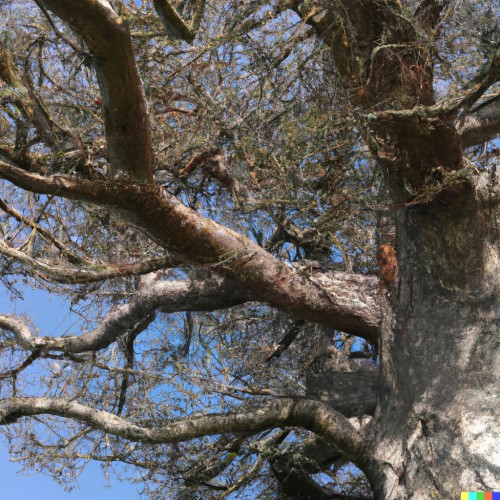
Cedrelopsis grevei, commonly known as Katafray, is a small to medium-sized deciduous tree native to the dry deciduous forests of western and southern Madagascar. A member of the Rutaceae family (the same family as citrus), Katafray is not aromatic in the bright, volatile citrus sense—its scent comes from deeper within: the bark.

The essential oil is steam distilled from the bark, which holds the plant’s protective and restorative properties. In its native ecosystem, Katafray is a resilient, drought-tolerant species—thriving in poor, dry soil, often under scorching sun and exposed terrain. Its survival is a kind of quiet tenacity, and its medicine reflects that.

Botanical Name: Cedrelopsis grevei
Family: Rutaceae
Common Names: Katafray, Katrafay, Katrafey
Plant Type: Deciduous hardwood tree
Part Used for Distillation: Bark
Growth Habit: Typically 10–15 meters tall with upright, branching form
Flowering Season: Varies by region; generally during Madagascar’s dry season
Harvest Time for Distillation: Typically late dry season, when bark oils are most concentrated

Physical Characteristics
  • Leaves: Compound leaves with multiple oval leaflets; deep green, slightly leathery
  • Bark: Pale to grayish-brown, fissured, and aromatic when cut or bruised
  • Wood: Dense and durable; often used in construction and furniture making
  • Flowers: Small and pale, growing in clusters; not a major aromatic feature
  • Roots: Deep and wide-spreading—adapted to dry, rocky soil conditions

Native Habitat + Growth Conditions
  • Native To: Western and southern Madagascar
  • Preferred Soil: Poor, rocky, or sandy soils with good drainage
  • Sunlight: Full sun
  • Climate: Arid to semi-arid tropical climates; highly drought-tolerant
  • Ecological Notes: A keystone species in Madagascar’s dry forests; plays a role in erosion control and soil stabilization

Energetic Botanical Signature
Katafray grows in tough conditions and gives generously from its inner bark. That alone tells us everything. Its structure is solid, unyielding. Its roots go deep into barren earth. Its leaves drop to conserve energy. It knows how to survive, how to endure, and—eventually—how to heal.

This is a plant that teaches: Your body is your home. Protect it. Repair it. Return to it.


Energetics

Energetic Properties

Structural Integrity • Grounded Resilience • Energetic Rebuilding
Katafray isn’t an oil that floats or uplifts—it rebuilds you from the bones out. It’s for when life has stripped you bare, when your energy field feels frayed, or when your body is holding exhaustion deep in its tissues.

This is slow alchemy—the kind that doesn’t push for transformation, but creates the conditions for real restoration. It says, “You don’t have to be better right now. You just have to come back to yourself.”

Energetic Themes:
  • Rebuilding physical and emotional structure after burnout or depletion
  • Supporting grief held in the joints, bones, or connective tissue
  • Creating energetic boundaries in caregiving or empathic overload
  • Reestablishing trust in the body after trauma, injury, or long illness
  • Facilitating post-ceremony or post-breakdown integration

Spiritual Use:
  • Ideal for grounding work after spiritual intensity—especially when the body feels “left behind”
  • Use in root and sacral chakra blends for reconnecting to strength, safety, and embodiment
  • Supportive in rituals of renewal, sovereignty, and self-trust
  • Can be paired with oils like Spikenard, Myrrh, or Atlas Cedar to deepen presence in somatic practices

This is the oil for coming home to your body—not to transcend, but to root down and inhabit yourself again.


Traditional & Folklore

Traditional Folklore
In Madagascar, Katafray is more than a tree—it is a medicine of survival, endurance, and repair. For centuries, it has been part of the oral and practical traditions of Malagasy communities, especially in the arid western and southern regions where this tree thrives.

Folk Use as “Bone Medicine”
  • The bark has long been used to address bone aches, joint pain, and structural fatigue—earning it the reputation of a plant that “returns strength to the skeleton.”
  • Poultices, decoctions, and infused oils were applied to rheumatism, muscle strain, and stiffness—not just for symptom relief, but to restore integrity to the body.

Postpartum and Recovery Support
  • Katafray bark was infused into bathwater for postpartum women to restore strength, ease muscular pain, and cool excess heat
  • It was seen as a protector during vulnerable times—helping to “close the gates” after birth, illness, or major transitions

Cultural Significance
  • In some communities, Katafray trees were planted near homes as a symbol of resilience and groundedness
  • The bark was sometimes burned in ritual cleansing fires to drive out lingering sickness or emotional heaviness from a space
  • It was also included in ancestral offerings during healing ceremonies, symbolizing the body's return to balance

This wasn’t an oil for daily aches or beauty rituals—it was medicine for the long haul. In folk memory, it lives as a tree that gives when there’s not much left to give. When the body is worn down, when the spirit is dry—Katafray was the one you turned to.


Chemistry

Chemical Components

Katafray is a sesquiterpene-dominant oil, and it smells like it. Dry, woody, subtly bitter, and faintly medicinal—this is not an oil you’d call bright or floral. It’s an oil of structure. Of slow healing. Of stability.
Its chemistry gives it strength without stimulation—perfect for long-term use, chronic conditions, and emotional or physical depletion.

Main Chemical Families:
  • Sesquiterpenes (Primary)
    • Known for their anti-inflammatory, analgesic, and skin-repairing properties
    • Offer deep, grounding action without overstimulating the nervous system
    • Long-lasting—excellent for chronic joint pain, emotional burnout, or skin barrier repair
  • Sesquiterpenols (Variable Presence)
    • Support tissue healing, minor immune system modulation, and emotional recovery
    • Work gently on nervous system tone—balancing rather than sedating
  • Minor Components:
    • Trace amounts of monoterpenes, ketones, or phenolic compounds may be present depending on distillation—but the oil is overwhelmingly rooted in heavy, stabilizing chemistry

Therapeutic Implications of This Chemistry:
  • Joint and tissue rebuilding: Slow but effective for long-term pain, stiffness, or dryness
  • Energetic restoration: Helps reintegrate body and spirit after stress or trauma
  • Non-irritating and skin-friendly: Ideal for barrier support, especially in sensitive or reactive individuals
  • Emotionally grounding: Helps shift from overwhelm or flight-mode into a calm, embodied presence

This chemistry doesn’t rush you. It helps you restore what’s been depleted, rebuild what’s been worn thin, and remember that deep healing always starts with safety and structure.
Recipes & Blends

Recipes & Blends

Soothe & Move Blend:

  • Katafray Essential Oil (Cedrelopsis grevei): 7 drops
  • Rosemary Essential Oil (Rosmarinus officinalis): 8 drops
  • Frankincense (Boswellia frereana) Essential Oil: 9 drops
  • Plai Essential Oil (Zingiber cassumunar): 10 drops
  • Lavender Essential Oil (Lavandula angustifolia): 6 drops
    • This blend is designed to soothe joint discomfort and improve mobility.
Radiant Renewal Blend:
  • Katafray Essential Oil (Cedrelopsis grevei): 8 drops
  • Geranium Essential Oil (Pelargonium graveolens): 7 drops
  • Patchouli Essential Oil (Pogostemon cablin): 5 drops
  • Rose Essential Oil (Rosa damascena): 6 drops
  • Neroli Essential Oil (Citrus aurantium): 3 drops
    • This rejuvenating blend encourages skin renewal for a more radiant complexion. Make sure to dilute in appropriate carrier oil at 1 to 2 percent
Serenity Oasis Blend:
  • Katafray Essential Oil (Cedrelopsis grevei): 10 drops
  • Bergamot Essential Oil (Citrus bergamia): 6 drops
  • Clary Sage Essential Oil (Salvia sclarea): 7 drops
  • Ylang Ylang Essential Oil (Cananga odorata): 6 drops
  • Sandalwood Essential Oil (Santalum album): 9 drops
    • This calming blend creates a serene oasis, easing stress and promoting tranquility.
Remember, always dilute these essential oil blends with a suitable carrier oil before applying to the skin to avoid any irritation. Do a patch test when using a new oil or blend. Consult with a healthcare provider or a certified aromatherapist for any health concerns or if you are pregnant, nursing, or taking medication.
Safety Etc.

Safety Information

Katafray essential oil is generally considered non-toxic, non-irritating, and non-sensitizing when used appropriately. It is well tolerated on the skin and particularly suitable for long-term use in low dilution, especially in blends for musculoskeletal support, skin repair, and nervous system recovery.
  • Topical Use: Recommended dilution is 1–3% for most applications. Suitable for full-body massage, local compresses, or integration into recovery blends.
  • Phototoxicity: Not known to be phototoxic.
  • Internal Use: Not recommended for internal use unless supervised by a qualified practitioner.
  • Pregnancy & Lactation: Use with caution during pregnancy. Not advised during the first trimester.
  • Pediatric Use: Safe for children over 6 when properly diluted; especially helpful for joint pain or dry skin.
  • Storage: Store in a cool, dark place away from light and heat to preserve sesquiterpene stability.
Due to its mild and restorative nature, Katafray is an excellent choice for those who are sensitive to more stimulating oils. It’s one of the few “rebuilding” oils that can be used regularly without creating overactivity or overstimulation in the system.

Robert Tisserand suggests that no specific hazards have been identified in connection with the use of this oil.

Reviews (1)

Write a review

Note: HTML is not translated!
    Bad           Good
Powered By OpenCart
Stillpoint Aromatics © 2026