Personal Use
Balsam Gurjun isn’t flashy—it’s subtle, steady, and grounding. Distilled from the resin of towering rainforest trees native to Southeast Asia and India, this oil brings a warm, balsamic-woody scent with faint spicy and sweet undertones. It doesn’t demand your attention—but once you lean in, it opens up something deep and comforting, like walking barefoot on earth that remembers.
Historically used as a base note in perfumery and a supportive agent in Ayurvedic medicine, Gurjun is known for its ability to stabilize, soothe, and restore. It anchors blends, slows the nervous system, and offers a kind of quiet strength that’s easy to miss—but impossible to forget once you’ve worked with it.
Stillpoint’s Gurjun is resin-distilled, not from leaves or wood. That distinction matters—because it gives this oil its rich, grounded base and its ability to hold emotional weight without collapsing under it.
Therapeutic Properties
Skin Support and Repair:
Balsam Gurjun may assist with the appearance of dry, inflamed, or irritated skin when properly diluted. Its mild antiseptic and regenerative qualities make it a useful addition to salves and serums for chronic skin concerns.
Muscle and Joint Comfort:
Known for its anti-inflammatory and analgesic actions, Gurjun may help ease muscular and joint discomfort, particularly when used in massage blends for overuse, tension, or stiffness.
Respiratory Ease:
Traditionally used to support the lungs, this oil may help loosen mucus, ease congestion, and calm coughs when inhaled or applied topically in chest blends. Its warmth and balsamic depth make it a supportive winter oil.
Nervous System Soothing:
The calming, grounding aroma of Gurjun supports nervous system regulation. It may help ease emotional overwhelm, energetic depletion, or anxious looping when used in diffusion or anointing blends.
Blending Base and Fixative:
Gurjun acts as a base note and fixative in aromatic formulations—extending the life of lighter oils and adding warmth and cohesion to complex blends.
Traditional Use
Balsam Gurjun has been used for centuries in Ayurvedic and Southeast Asian traditional medicine, particularly for its ability to protect, calm, and restore. Tapped directly from the living tree, its resin was considered part of the tree’s own immune system—and that healing intelligence was passed directly into the medicine.
Topical Healing and Skin Repair:
The resin was commonly used to treat wounds, ulcers, rashes, and chronic skin conditions. Applied in salves, pastes, or oil infusions, Gurjun was valued for its ability to reduce inflammation, draw out infection, and stimulate tissue repair—especially when healing was slow or stuck.
Respiratory Medicine:
In both folk and clinical Ayurvedic practice, Gurjun was used to support the lungs—easing cough, calming irritation, and helping to clear deep, stuck mucus. The balsam would be used in smoke medicine, salves, and steams for conditions linked to congestion, dampness, or emotional grief held in the chest.
Joint and Muscular Support:
Its anti-inflammatory and warming properties made it a go-to for muscle pain, stiffness, and joint inflammation, particularly in chronic or cold conditions. It was often combined with other resins or oils and applied in therapeutic massage or warm compresses.
Energetic Clearing and Spiritual Use:
While not as widely recognized in Western spiritual traditions, Gurjun was burned as incense or applied in oil-based rituals to ground scattered energy, quiet intrusive thoughts, and strengthen the aura. In forest-based and temple traditions, its scent was believed to cleanse and anchor—especially useful after emotional overwhelm or illness.
Today, Gurjun continues to serve as a quiet but steady force in blendwork—bringing weight, warmth, and rootedness to both physical and vibrational formulations.
Botany
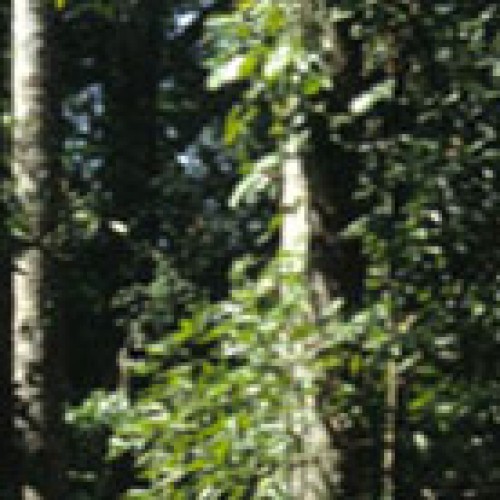
Balsam Gurjun (Dipterocarpus turbinatus) is a large, tropical hardwood tree native to the moist evergreen forests of India, Sri Lanka, Myanmar, and parts of Southeast Asia. Belonging to the Dipterocarpaceae family, it can grow over 100 feet tall and is one of the dominant canopy species in its native ecosystems.
The tree exudes a thick, aromatic oleoresin—a natural secretion that acts as a healing and protective agent when the bark is damaged. This resin is what is collected (ethically and seasonally) for steam distillation into the essential oil. Gurjun is one of several dipterocarps known for this resin production, but D. turbinatus is the most widely used medicinally and aromatically.
Botanical Name: Dipterocarpus turbinatus
Family: Dipterocarpaceae
Common Names: Gurjun Balsam, East Indian Copaiba
Plant Type: Tropical hardwood tree
Part Used: Resin (oleoresin)
Growth Cycle: Long-lived canopy species; slow-growing
Physical Characteristics
-
Height: Up to 100–130 feet (30–40 meters)
-
Bark: Grayish-brown, rough, and vertically fissured; resin exudes when wounded
-
Leaves: Large, leathery, and oval-shaped with smooth edges
-
Flowers: Pale pink to violet, often appearing in clusters; insect-pollinated
-
Resin: Thick, golden to brown oleoresin with a soft balsamic aroma; tapped seasonally
Native Habitat and Growth Conditions
-
Native Regions: Northeast India, Sri Lanka, Bangladesh, Myanmar, Thailand, and surrounding tropical regions
-
Preferred Environment: Moist tropical forests, particularly along riverbanks and lowland slopes
-
Soil Needs: Deep, well-drained, fertile soils; prefers high humidity and warm climates
-
Ecological Role: Important part of rainforest canopy structure; resin provides a natural defense against microbial and fungal invasion