Personal Use
-
Pain Relief: Agarwood oil has been used traditionally to relieve pain, including headaches and arthritis.
-
Relaxation and Stress Relief: The oil has a unique and complex scent that is often described as calming and soothing. It's commonly used in aromatherapy for relaxation, stress relief, and as a sleep aid.
-
Digestive Issues: Traditional medicine systems in various cultures have used agarwood oil to treat a range of digestive issues, although the scientific evidence supporting these uses is limited.
-
Respiratory Health: It has also been used to relieve respiratory conditions such as asthma and cough.
-
Antimicrobial Properties: Some studies have suggested that agarwood oil may have antimicrobial properties, potentially making it useful for treating or preventing infections. However, further research is needed to confirm this.
-
Skin Health: Agarwood oil is sometimes used in skin care products, with claims that it can improve skin health, reduce inflammation, and treat various skin conditions.
-
Emotional Well-being: The scent of agarwood oil is also believed to have a positive effect on emotional health and mood.
Traditional Use
Here are some traditional uses of agarwood:
-
Incense: This is one of the most common uses of agarwood, particularly in the Middle East, Japan, and other parts of Asia. The wood is often burned during religious ceremonies, spiritual rituals, or simply for the pleasant aroma it produces.
-
Perfumery: The oil derived from agarwood is considered extremely valuable, and is used in high-end perfumery. Its unique, complex scent is highly sought after.
-
Traditional Medicine: In various systems of traditional medicine, including Ayurveda, Traditional Chinese Medicine, and Unani, agarwood is used for a range of conditions. It's been used as a treatment for digestive problems, pain, and a variety of other issues. However, the effectiveness of agarwood for these uses has not been scientifically proven.
-
Carving and Artwork: The dense, resinous wood can also be used in carving and to create decorative pieces.
-
Meditation and Spirituality: Agarwood's unique scent is thought to promote relaxation and meditation. In some cultures, it's believed to have the power to purify and cleanse.
-
Beverage: In some regions, agarwood is also used to make a type of tea. This use is less common, but is a traditional part of some cultures.
Botany
Agarwood, also known as oud or aloeswood, is a product of the Aquilaria tree, a genus of fifteen species of trees from the Thymelaeaceae family. These trees are native to the rainforests of Southeast Asia.
-
Physical Characteristics: Aquilaria trees are fast-growing, evergreen trees that can reach up to 40 meters in height. They have straight trunks with a greyish bark and dense crowns.
-
Leaves: The leaves are simple and arranged alternately along the branches. They are typically elliptic-lanceolate to oblong-elliptic in shape, and have a shiny dark green upper surface with a lighter underside.
-
Flowers and Fruits: The Aquilaria tree produces small, yellowish-white flowers that have a sweet fragrance. The fruit is a woody capsule that splits open when mature to release the seeds.
-
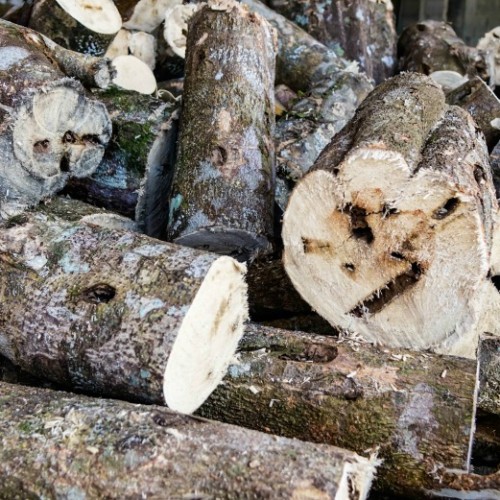
Resin Production: The most important characteristic of these trees from an economic and cultural perspective is their ability to produce a fragrant, dark resin. This is a response to injury or infection by a type of mold (Phialophora parasitica). The infected wood undergoes a process of enzymatic oxidation, resulting in the formation of the fragrant agarwood resin.
-
Distribution: The Aquilaria species are native to Southeast Asia, particularly to countries like India, Thailand, Cambodia, Malaysia, Indonesia, Vietnam, and Laos. They prefer rainforest conditions with high humidity and temperatures.
Agarwood has been harvested to the point of endangerment in the wild, and efforts have been made to cultivate the trees sustainably.