
Personal Use
Chili CO₂ Total Extract (Capsicum annuum)
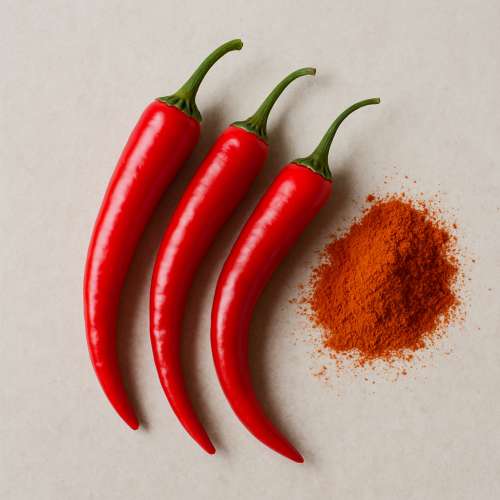
Hot. Bold. Alive. Chili CO₂ isn’t shy—it speaks in fire and moves energy fast. Its aroma is unmistakable: warm, peppery, sharp, and slightly smoky, with a vibrant punch that awakens both the senses and the nervous system. Unlike steam-distilled oils, this total CO₂ extract captures the full spectrum of plant compounds, including the warming capsaicinoids that give chili its signature heat.
Stillpoint’s Chili CO₂ Total is extracted from ripe red Capsicum annuum fruits grown with intention and integrity. We use it sparingly—this oil is intensely potent, and a little goes a very long way. It’s not for casual use, but when you want to stimulate circulation, break up stagnation, or add a bit of fiery medicine to a blend, this oil brings heat, energy, and momentum like nothing else.
This is the oil of ignition—used wisely, it stokes the inner fire and gets things moving again.
Therapeutic Benefits
- Pain Relief: Capsaicin, the active component in chili, is a well-established treatment for various types of pain, including arthritis (osteoarthritis and rheumatoid arthritis), muscle pain, fibromyalgia, and nerve pain such as that from diabetic neuropathy and post-herpetic neuralgia (pain after shingles). The mechanism involves the depletion of substance P, a neurotransmitter responsible for sending pain signals to the brain, thus providing relief from pain. It's used in topical creams, gels, and patches at concentrations typically ranging from 0.025% to 0.075%.
- Anti-Inflammatory: The anti-inflammatory properties of capsaicin are beneficial not only in pain management but also in reducing inflammation associated with conditions like bursitis, bronchitis, and chronic obstructive pulmonary disease (COPD). Capsaicin's effect on the TRPV1 receptor has also shown potential in protecting against cardiometabolic diseases like hypertension and obesity.
- Skin Conditions: Capsaicin has shown promise in treating skin conditions such as psoriasis. Regular application can significantly reduce the frequency and severity of psoriasis flare-ups by inhibiting substance P, although initial use may cause a temporary burning sensation.
- Weight Management: Capsaicin is known for its metabolism-boosting properties, which can help with weight loss by increasing energy expenditure and reducing appetite. While the effects can vary, consistent consumption of capsaicin-rich foods has been associated with modest weight loss and improved fat metabolism.
- Cardiovascular and Metabolic Health: Regular consumption of capsaicin has been linked to reduced risks of various metabolic disorders, including diabetes, by improving blood sugar and insulin responses. Capsaicin may also help with longevity by supporting cardiovascular health, although more research is needed to confirm these effects.
- Neurological Benefits: Capsaicin has shown neuroprotective properties in studies related to conditions like Alzheimer’s disease, Parkinson’s disease, and stroke. It helps reduce neurodegeneration and supports recovery from neurological damage in these contexts.
- Digestive Health: Capsaicin has been traditionally used to treat digestive issues like dyspepsia (indigestion) and heartburn. It helps by stimulating digestive fluids and protecting against gastric ulcers, though its use should be carefully monitored as it can cause abdominal discomfort in some individuals.
- Cluster Headaches and Migraines: Capsaicin is also being explored as a treatment for severe headaches. When applied inside the nostril under medical supervision, it can reduce the frequency and intensity of cluster headaches and migraines by desensitizing pain pathways.
Traditional Use
Chili has a long, fiery lineage in traditional medicine systems around the world—used not for its softness, but for its ability to stir the blood, ignite the gut, and wake the body from stagnation. From Mesoamerican rituals to Ayurvedic fire-balancing formulas, chili is a plant of activation, often used when things have gone cold, stuck, or slow.
Mesoamerican + Central American traditions
The use of chili peppers dates back thousands of years to the ancient Aztec and Maya, who saw them as both food and medicine. Chili was used in purification rituals, often to drive out illness, evil spirits, or emotional heaviness. It was also applied to the skin or used in steam baths to increase circulation and "sweat out" fever or disease.
Ayurveda
In Ayurvedic medicine, chili (Marich or Katu) is considered rajasic—stimulating, activating, and transformative. It’s used to ignite agni (digestive fire), dispel kapha (cold, damp stagnation), and support circulation and metabolism. However, its heat must be balanced with cooling, soothing herbs—a principle mirrored in aromatherapy blending.
Traditional Chinese Medicine (TCM)
Chili is known to move Qi and blood, especially in the meridians associated with digestion and circulation. It is used to clear cold, dispel wind-damp, and stimulate the yang energy of the body. Topical applications were used in salves for arthritis, rheumatism, and numbness in the limbs.
Folk medicine + rural applications
Chili-infused oils and poultices have been used throughout rural cultures for muscle pain, cold joints, and stimulating vitality in the weak or elderly. In the colder months, chili was often blended into warming foot rubs and chest balms to keep the blood moving and the lungs open.
Botany
Capsicum annuum, the plant behind Chili CO₂ Total Extract, is an annual or short-lived perennial in the Solanaceae (nightshade) family. Though many varieties exist within this species—from sweet bell peppers to blazing-hot chilies—the CO₂ extract is typically derived from the fully ripe, red chili fruits of spicier cultivars, rich in capsaicinoids and carotenoids.
Chili peppers are native to Central and South America, where they have been cultivated for over 6,000 years. Today, they grow globally in warm climates, and the plant is as prized for its culinary, medicinal, and cultural significance as it is for its pungent heat.
Botanical name: Capsicum annuum
Family: Solanaceae
Common names: Chili, Cayenne, Hot Pepper, Bird Pepper
Plant type: Herbaceous annual or short-lived perennial
Part used for extraction: Ripe red fruit
Growth habit: Erect, branching, typically 1–3 feet in height
Flowering season: Mid to late summer
Harvest time for CO₂ extraction: Late summer to early fall, when fruits are fully ripe and intensely red
Family: Solanaceae
Common names: Chili, Cayenne, Hot Pepper, Bird Pepper
Plant type: Herbaceous annual or short-lived perennial
Part used for extraction: Ripe red fruit
Growth habit: Erect, branching, typically 1–3 feet in height
Flowering season: Mid to late summer
Harvest time for CO₂ extraction: Late summer to early fall, when fruits are fully ripe and intensely red
Physical characteristics
-
Leaves: Simple, ovate to lance-shaped, smooth-edged, with a slightly glossy surface
-
Stems: Smooth and branching; become woody at the base in perennial growth
-
Flowers: White, star-shaped with five petals, often appearing singly or in small clusters
-
Fruit: Elongated, tapering red pods with a glossy skin and pungent heat; interior lined with seeds
-
Seeds: Flat, round, and pale yellow, contained in the central pith of the fruit
Native habitat + growth conditions
-
Native to: Central America, northern South America, and southern North America
-
Preferred soil: Well-drained, moderately rich loam or sandy soil
-
Sunlight: Full sun
-
Climate: Warm to hot climates; frost-sensitive and thrives in long, sunny growing seasons
-
Ecological role: Pollinated by insects; fruits are consumed by birds who help disperse the seeds without being affected by the capsaicin (which mammals find irritating)
Energetic botanical signature
Capsicum annuum is heat embodied. Its bright red color, fiery flavor, and sharp upward growth mirror its role in the body—to stimulate, mobilize, and revive. It grows best in hot climates and resists disease through intensity. Energetically, it reminds us that life force needs movement, and sometimes that movement comes through heat, friction, and fire. Chili brings a sacred agitation—used not to harm, but to awaken and clear.
