Personal Use
Caraway Seed Essential Oil (Carum carvi)
Herbal, warm, and subtly sweet—Caraway seed essential oil isn’t as commonly used as its more mainstream counterparts, but it holds a quiet, powerful presence when called upon. It offers a warm, slightly spicy, and earthy aroma, reminiscent of freshly baked bread with a hint of anise. This oil brings an unexpected comfort, as if the scent itself is a grounding hug for the digestive system and spirit.
Stillpoint’s Caraway Seed essential oil is steam distilled from the seeds of the Caraway plant, a biennial herb native to Europe and parts of Asia. It has been used for centuries in both culinary and medicinal applications, known for its ability to soothe the digestive tract and support the body during times of emotional and physical stress. It carries an energy that gently supports movement and release, especially when dealing with stagnation or tension in the gut.
This oil feels like the deep exhale of relief after a meal—grounding, warming, and subtly uplifting.
Therapeutic Applications
Digestive Support + Bloating Relief:
Caraway seed oil is widely known for its carminative (gas-relieving) and antispasmodic properties, making it a powerful ally for digestive discomfort. It may help with bloating, indigestion, and cramping, especially after meals. When used in abdominal massage or diffuser blends, it can help soothe a tight, uncomfortable belly and promote the movement of energy in the digestive tract.
Caraway seed oil is widely known for its carminative (gas-relieving) and antispasmodic properties, making it a powerful ally for digestive discomfort. It may help with bloating, indigestion, and cramping, especially after meals. When used in abdominal massage or diffuser blends, it can help soothe a tight, uncomfortable belly and promote the movement of energy in the digestive tract.
Nervous System Support + Stress Relief:
Caraway’s gentle, warming nature also supports emotional digestion—especially during times of stress or when emotional overload manifests physically. It can help with emotional tension that feels like “butterflies” in the stomach or overthinking that disturbs the gut’s rhythm.
Caraway’s gentle, warming nature also supports emotional digestion—especially during times of stress or when emotional overload manifests physically. It can help with emotional tension that feels like “butterflies” in the stomach or overthinking that disturbs the gut’s rhythm.
Anti-inflammatory + Analgesic:
Caraway essential oil’s anti-inflammatory properties make it useful for relieving joint pain, muscle aches, or menstrual cramps, particularly when the pain is tied to tension or digestive distress. It can be blended into soothing oils for local application to help ease physical discomfort.
Caraway essential oil’s anti-inflammatory properties make it useful for relieving joint pain, muscle aches, or menstrual cramps, particularly when the pain is tied to tension or digestive distress. It can be blended into soothing oils for local application to help ease physical discomfort.
Respiratory Support:
Caraway seed oil’s expectorant qualities can assist with mild respiratory congestion or sinus pressure, especially when those issues are linked to stress, emotional stagnation, or a clogged digestive system.
Caraway seed oil’s expectorant qualities can assist with mild respiratory congestion or sinus pressure, especially when those issues are linked to stress, emotional stagnation, or a clogged digestive system.
Mental Clarity + Focus:
In addition to its digestive support, Caraway can help clear mental fog and increase concentration. It’s ideal for moments when you feel mentally “full” but unable to focus—helping to break the cycle of mental overload and bring you back to a calm, centered state.
In addition to its digestive support, Caraway can help clear mental fog and increase concentration. It’s ideal for moments when you feel mentally “full” but unable to focus—helping to break the cycle of mental overload and bring you back to a calm, centered state.
Traditional Use
Caraway has been used for centuries as both a culinary spice and a medicinal herb. In European folk medicine, Caraway seeds were often employed to ease digestive issues, support healthy menstruation, and even alleviate nervous tension. It was particularly valued in medieval herbal traditions as an aid to digestion and relaxation, with strong associations to balancing the gut-brain connection.
Digestive Health & Comfort
Traditionally, Caraway was consumed in teas or tinctures after meals to support digestion, ease bloating, and relieve discomfort from indigestion. It was also used as a carminative—helping to expel gas and relieve bloating from the stomach and intestines.
Emotional Support & Nervous System Relief
Folk healers believed that Caraway’s soothing properties extended beyond the digestive system to help calm the nervous system and alleviate stress. It was often added to herbal blends for emotional balance, especially when anxiety or stress led to physical symptoms in the stomach or gut.
Historical Healing Practices
Caraway seeds were also used topically in poultices or oils to treat muscle pain and joint discomfort, often in combination with warming herbs like ginger or mustard. It was common in traditional practices to apply the oil to areas of the body affected by tension or bloating, allowing the oils to soak in and help with both the emotional and physical load.
Cultural Significance
In ancient Egypt, Caraway was highly regarded as a food preservative and digestive aid—its aromatic seeds thought to improve memory and enhance focus. Caraway was also used in rituals of protection and grounding, especially for individuals who felt “unsettled” or disoriented after trauma or stress.
Botany
Caraway Seed (Carum carvi) is a biennial herb in the Apiaceae (Carrot) family. Though commonly associated with culinary use, especially in European baking and cooking, Caraway has deep roots in traditional herbal medicine, where it has been used for centuries for its digestive and emotional grounding properties.
Caraway is often cultivated in temperate climates across Europe, Asia, and parts of North America. It grows in fields, meadows, and along roadsides—sturdy and persistent, adapting to various soil types without overwhelming the landscape.
Botanical Name: Carum carvi
Family: Apiaceae (Carrot)
Common Names: Caraway, Meridian Fennel
Plant Type: Biennial herb
Part Used for Distillation: Seeds
Growth Habit: Upright, branching, 18–24 inches in height
Flowering Season: Late spring to early summer
Harvest Time for Distillation: Just after seed formation, when the volatile oils are most concentrated
Family: Apiaceae (Carrot)
Common Names: Caraway, Meridian Fennel
Plant Type: Biennial herb
Part Used for Distillation: Seeds
Growth Habit: Upright, branching, 18–24 inches in height
Flowering Season: Late spring to early summer
Harvest Time for Distillation: Just after seed formation, when the volatile oils are most concentrated
Physical Characteristics:
-
Leaves: Feathery, finely divided, and aromatic when crushed
-
Stems: Hollow and branched, with a reddish-brown tint
-
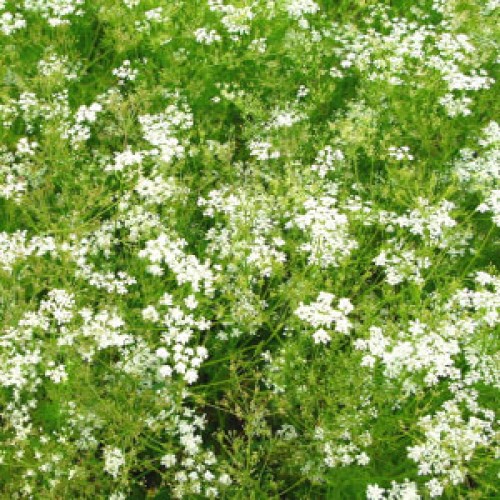
Flowers: Small, white or pink, clustered in flat umbels
-
Seeds: Crescent-shaped, brown, with a strong, warm, slightly sweet aroma when crushed
Native Habitat + Growth Conditions:
-
Native To: Europe, Western Asia, and North Africa
-
Preferred Soil: Well-drained, fertile soils; slightly alkaline
-
Sunlight: Full sun
-
Climate: Temperate, thriving in cool to moderate climates; drought-tolerant once established
-
Ecological Notes: Commonly found in wild meadows, along roadways, and in agricultural fields—a resilient, low-maintenance herb with high cultural and medicinal value.
Energetic Botanical Signature
Caraway Seed grows with quiet persistence, its feathery leaves unfurling to meet the sun while its seeds hold their potent, grounding essence until the right time. It doesn’t overwhelm—it adapts and stays steady, offering support from the roots to the flowers. The plant’s branching, upright growth habit reflects its capacity to stand strong, but with a soft presence, not intrusive but still resilient.
Energetically, Caraway is a healer of imbalance, especially when emotional distress or nervous tension has caused stagnation or blockages. The oil’s earthy, spicy, and warming aroma speaks to its ability to move stuck energy and calm the nervous system while still providing the grounding needed to process and digest emotional overload.