
Personal Use
Bergamot Essential Oil (Steam Distilled)
This isn’t your average bergamot. Steam distilled instead of cold-pressed, this rare version of Citrus bergamia offers the same sweet, citrus-floral top notes you know—but without the photosensitivity. Bright yet grounded, this oil moves through the emotional body like light through fog: gently, clearly, and without force.
This isn’t your average bergamot. Steam distilled instead of cold-pressed, this rare version of Citrus bergamia offers the same sweet, citrus-floral top notes you know—but without the photosensitivity. Bright yet grounded, this oil moves through the emotional body like light through fog: gently, clearly, and without force.
Stillpoint’s steam distilled bergamot captures the soul of the fruit without the bitter bite of expressed rind. It’s softer, rounder, and ideal for therapeutic blends where phototoxicity is a concern. The scent is uplifting and calming in equal measure—balancing the nervous system and emotional field like few others can.
Therapeutic Applications
Emotional Support and Nervous System Balance:
Bergamot is known for its ability to ease anxious tension, emotional heaviness, and mental looping. The steam distilled version offers the same emotional benefits as the cold-pressed oil—uplift, clarity, and gentle mood elevation—without the concern of phototoxicity. It may help soften irritability, ease emotional fatigue, and support the nervous system when overworked or overstimulated.
Bergamot is known for its ability to ease anxious tension, emotional heaviness, and mental looping. The steam distilled version offers the same emotional benefits as the cold-pressed oil—uplift, clarity, and gentle mood elevation—without the concern of phototoxicity. It may help soften irritability, ease emotional fatigue, and support the nervous system when overworked or overstimulated.
Digestive Comfort:
Traditionally used to support digestion, Bergamot may assist with gas, bloating, and nervous stomach, especially when tension or stress are involved. Its antispasmodic and carminative actions make it a gentle but effective ally for the gut-mind connection.
Traditionally used to support digestion, Bergamot may assist with gas, bloating, and nervous stomach, especially when tension or stress are involved. Its antispasmodic and carminative actions make it a gentle but effective ally for the gut-mind connection.
Skin Support (Without Phototoxicity):
Unlike its cold-pressed counterpart, steam distilled Bergamot is non-phototoxic, making it safer for use in daytime skincare applications. It may help support oily, congested, or acne-prone skin with its mild antibacterial and balancing effects, while also uplifting the spirit through transdermal inhalation.
Unlike its cold-pressed counterpart, steam distilled Bergamot is non-phototoxic, making it safer for use in daytime skincare applications. It may help support oily, congested, or acne-prone skin with its mild antibacterial and balancing effects, while also uplifting the spirit through transdermal inhalation.
Respiratory and Immune Support:
Though not its primary use, Bergamot may assist in supporting immune function and soothing mild respiratory congestion when diffused or applied in chest blends. Its synergy with eucalyptus, rosemary, and conifers makes it a good harmonizer in immune-focused blends.
Though not its primary use, Bergamot may assist in supporting immune function and soothing mild respiratory congestion when diffused or applied in chest blends. Its synergy with eucalyptus, rosemary, and conifers makes it a good harmonizer in immune-focused blends.
Sleep and Transition Support:
This oil can help settle the mind and body at the end of the day, or during times of emotional transition, grief, or emotional overwhelm. It blends beautifully with lavender, spikenard, or Roman chamomile to support restful sleep and emotional reset.
This oil can help settle the mind and body at the end of the day, or during times of emotional transition, grief, or emotional overwhelm. It blends beautifully with lavender, spikenard, or Roman chamomile to support restful sleep and emotional reset.
Traditional Use
Bergamot has been used for centuries in traditional Italian folk medicine, particularly throughout Calabria and Sicily, where the tree has long been cultivated for both its fragrance and its therapeutic value. While steam distillation is a newer method, the fruit itself—rind, pulp, and juice—has a long history of emotional, digestive, and antimicrobial use.
Mood and Emotional Healing:
Bergamot was traditionally used to ease melancholy, nervous agitation, and “restlessness of the heart.” The fresh peel was pressed and inhaled, or infused in oils and waters, to support emotional regulation, heartbreak, and grief. It was also used in temples and devotional spaces to restore peace and center the mind.
Digestive and Nervous System Support:
Folk healers and herbalists often prescribed bergamot fruit preparations for nausea, loss of appetite, digestive cramping, and stress-related stomach upset. It was believed to soothe both the belly and the mind, acting on the gut-brain axis long before science confirmed the link.
Antiseptic and Febrifuge Use:
In traditional Southern Italian remedies, bergamot was used to cleanse wounds and reduce fevers. The essential oil was added to herbal salves and cleansing balms, often blended with lavender, thyme, or chamomile.
Spiritual and Ritual Uses:
Bergamot’s bright, clarifying scent was associated with light, purity, and emotional release. It was burned in rituals for emotional cleansing, protection, and to call in joy after grief. The oil was also worn as a perfume to attract peace and uplift energy, especially during transitional phases.
Botany
Bergamot (Citrus bergamia) is a small evergreen citrus tree in the Rutaceae family, most famously grown in the sun-drenched groves of Calabria, southern Italy. While its exact lineage is still debated, it’s believed to be a natural hybrid of bitter orange (Citrus limetta) and sour orange (Citrus aurantium)—a genetic marriage that gifted us one of the most uniquely balanced oils in the citrus world.
This tree flourishes in a very narrow ecological band—requiring the right light, soil, salt air, and human hands. Calabrian-grown fruit is widely considered the gold standard due to its ideal terroir and the skill of the growers who’ve cultivated it for generations.
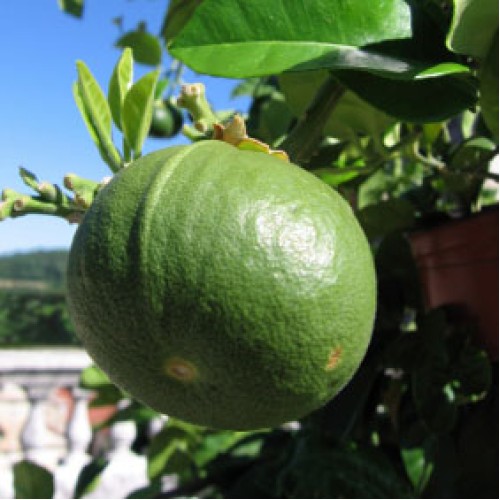
The fruit resembles a cross between a lime and an orange—round to slightly pear-shaped with yellow-green skin and an intensely fragrant rind. Its juice is far too bitter to drink, but the rind is an aromatic powerhouse, rich in volatile compounds prized in perfumery, skincare, and vibrational healing. When steam distilled rather than cold pressed, the oil loses its phototoxicity and softens into a gentle citrus-floral with less sharpness and more emotional roundness.
Botanical Name: Citrus bergamia
Family: Rutaceae
Common Name: Bergamot
Plant Type: Evergreen citrus tree
Part Used for Distillation: Rind (steam distilled, not cold pressed)
Growth Cycle: Perennial, fruit-bearing
Family: Rutaceae
Common Name: Bergamot
Plant Type: Evergreen citrus tree
Part Used for Distillation: Rind (steam distilled, not cold pressed)
Growth Cycle: Perennial, fruit-bearing
Physical Characteristics
-
Height: 10–15 feet (3–5 meters)
-
Leaves: Shiny, dark green, oval; citrus-scented when crushed
-
Flowers: White, star-shaped, highly fragrant
-
Fruit: Small, round to pear-shaped; green when unripe, yellow when mature
-
Oil: Clear to pale yellow; sweet, soft citrus-floral aroma with a rounded edge when steam distilled
Native Habitat + Growth Conditions
-
Native Region: Likely Southeast Asia in origin; now best known from Calabria, Italy
-
Preferred Soil: Rich, well-drained, sun-drenched soil with good airflow
-
Sunlight: Full sun
-
Climate: Warm Mediterranean with mild winters
-
Harvest Time: Winter to early spring (fruit is picked at peak maturity for optimal oil yield)
-
Unique Factor: Bergamot is one of the most terroir-sensitive citrus oils—the therapeutic quality of the oil depends heavily on growing conditions, with Calabrian oil considered the gold standard
Energetic Botanical Signature
Bergamot is a citrus that carries contradiction with grace. It uplifts without pushing, calms without dulling, and clears without stripping. Where other citrus oils burst with sharp, bright insistence, Bergamot whispers light through the cracks, coaxing the nervous system back toward center.
The tree itself is sensitive—easily influenced by weather, soil, and stress. It thrives only in specific environments, and even then, only with care. This mirrors the energetic medicine it offers: for those who are sensitive, emotionally porous, or carrying too much weight in the solar plexus or chest.
The fruit matures in winter, offering its oil when the light is weakest. It’s a midwinter balm, a soft spark in emotional darkness. Steam-distilled Bergamot has even gentler hands—still radiant, but quieter, rounder. It's for people who need light that doesn’t burn, support that doesn’t demand, and presence that feels like grace.
Bergamot is the companion for:
-
The over-processor
-
The emotionally exhausted
-
The spiritually sensitive who’ve lost their sense of joy
It teaches that clarity doesn’t have to be loud, and that healing can be a return to softness—not just strength.
