Personal Use
Coriander essential oil helps to enhance circulation in the muscle and joints, is beneficial for muscular aches and pains, stiffness, rheumatism, arthritis and gout. Used for anorexia, colic, diarrhea, dyspeptic complaints, for nausea, as a digestive antispasmodic, piles, as well as for cold & flu, measles, hemorrhoids, migraine, neuralgia, and loss of appetite. In Traditional Chinese Medicine, it is regarded as a tonic of the stomach & heart, an herb of longevity that brings pain relief. It circulates Chi and disperses cold & painful obstruction in the body, which often manifests as osteoarthritis and rheumatic pain. Mojay states that it invigorates the intellect by strengthening the function of the spleen/pancreas.
Traditional Use
Botany
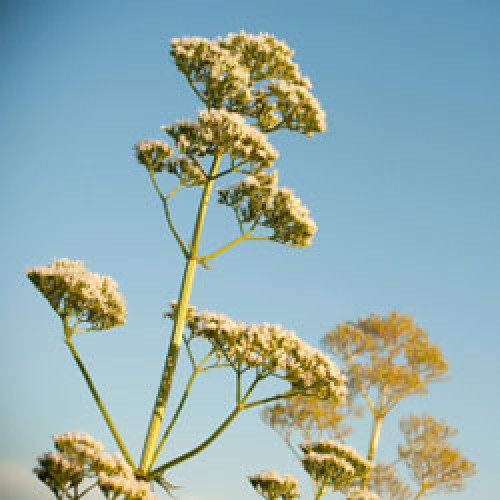
Coriander is an annual herb that is strongly aromatic. It grows to about 1meter high, and has delicate leaves of bright green (cilantro), and umbels of white, lace like flowers with bunches of small, round fruits that turn brown as they ripen.
Traditional Folklore & Uses
Coriander seed has been cultivated for over 3,000 years, and dates back to ancient Egyptian times, where it was found in the tombs of Royal Egyptian Pharohs Rameses & Tutankhamun.They imbibed a beverage of steeped Coriander Seeds, Garlic & Wine, which they believed to contain the secret of happiness.
Used as a fragrance for soaps& perfumes, and also by the food industry to flavor liqueurs and flavoring tobacco.
In medieval Europe witches would use it in love potions because of its aphrodisiac qualities.