
Personal Use
This is not your kitchen coriander. Stillpoint’s Coriandrum sativum CO₂-total extract opens with a soft, sweet spice—like crushed citrus rind over sun-warmed seed. It’s peppery, slightly woody, and finishes with a faint floral lift that’s more wild meadow than perfume. It doesn’t shout. It knows it doesn’t have to.
Extracted from dried coriander seeds using supercritical CO₂, this is a full-spectrum representation of the plant—capturing not just volatile oils but heavier seed fractions that don’t make it through steam distillation. The result? A scent that’s rounder, steadier, and more embodied.
Botanical Personality:
Where coriander leaf is sharp and volatile, the seed is older, calmer, and unbothered. This extract carries that vibe—it’s coriander with lived experience. It doesn’t clean house with a mop; it clears space by showing you what doesn’t belong.
Where coriander leaf is sharp and volatile, the seed is older, calmer, and unbothered. This extract carries that vibe—it’s coriander with lived experience. It doesn’t clean house with a mop; it clears space by showing you what doesn’t belong.
This version feels safe but alert, grounded but clear, making it an ideal choice for blends that support digestion, energetic boundaries, or nervous system recalibration. You smell it and the body says: “Okay. I’m good.”
Therapeutic Applications
1. Digestive Support (Carminative + Stimulant)
Coriander seed has long been used to stimulate appetite, calm indigestion, and reduce gas, cramping, and sluggish elimination. Its carminative compounds may support regular bowel movements, relieve bloating, and ease tension in the gut caused by stress or stagnation.
Coriander seed has long been used to stimulate appetite, calm indigestion, and reduce gas, cramping, and sluggish elimination. Its carminative compounds may support regular bowel movements, relieve bloating, and ease tension in the gut caused by stress or stagnation.
2. Anti-inflammatory + Analgesic
This extract may help ease inflammatory pain, particularly in cases of arthritis, gout, or soft tissue swelling. It’s especially helpful when used in joint and muscle blends, where inflammation is accompanied by nervous system sensitivity. Coriander CO₂ is often preferred over hotter spice oils due to its gentler, more tolerable action.
This extract may help ease inflammatory pain, particularly in cases of arthritis, gout, or soft tissue swelling. It’s especially helpful when used in joint and muscle blends, where inflammation is accompanied by nervous system sensitivity. Coriander CO₂ is often preferred over hotter spice oils due to its gentler, more tolerable action.
3. Antispasmodic + Muscle Soothing
Coriander may help relax smooth muscle spasms in both the digestive and muscular systems. It’s traditionally used in belly oils, menstrual support formulas, and calming rubs for aching muscles—especially when paired with Plai, Ginger CO₂, or Frankincense.
Coriander may help relax smooth muscle spasms in both the digestive and muscular systems. It’s traditionally used in belly oils, menstrual support formulas, and calming rubs for aching muscles—especially when paired with Plai, Ginger CO₂, or Frankincense.
4. Antioxidant Protection
Linalool and other key constituents may offer protection against oxidative stress, helping buffer the body from cellular damage and long-term inflammation.
Linalool and other key constituents may offer protection against oxidative stress, helping buffer the body from cellular damage and long-term inflammation.
5. Antimicrobial + Immune Support (mild)
Gentle antimicrobial activity makes this extract useful in immune-supportive blends for flu season, or in oral care and skin formulas where cleansing is needed without irritation.
Gentle antimicrobial activity makes this extract useful in immune-supportive blends for flu season, or in oral care and skin formulas where cleansing is needed without irritation.
6. Nervous System + Emotional Regulation
Coriander’s calming, slightly sedative quality makes it a strong ally for nervous system regulation. It may help reduce symptoms of anxiety, stress, and mental agitation, especially when emotional tension is felt in the gut or breath.
Coriander’s calming, slightly sedative quality makes it a strong ally for nervous system regulation. It may help reduce symptoms of anxiety, stress, and mental agitation, especially when emotional tension is felt in the gut or breath.
7. Skin Health Support
Thanks to its anti-inflammatory and antimicrobial properties, coriander seed may support skin prone to irritation, mild breakouts, or inflammation—especially when applied in low dilution with barrier-repairing carriers
Thanks to its anti-inflammatory and antimicrobial properties, coriander seed may support skin prone to irritation, mild breakouts, or inflammation—especially when applied in low dilution with barrier-repairing carriers
Traditional Use
Coriander has been used for over 3,000 years as both food and medicine, with references dating back to ancient Egypt, Greece, India, and China. The dried seeds were valued as a digestive tonic, culinary spice, and carminative herb, especially for gas, indigestion, and bloating.
In Ayurveda, dhanyaka (coriander) is considered cooling and balancing, often used to calm excess heat in the digestive tract. It was taken as a tea or decoction to relieve indigestion, nausea, diarrhea, and menstrual discomfort, and was often combined with cumin and fennel to create the classic digestive blend Trikatu. The seeds were also used in postpartum formulas to restore balance and reduce inflammation.
In Traditional Chinese Medicine, coriander (known as hu sui) was used to stimulate appetite, promote digestion, and release the exterior during early-stage colds or flu. It was believed to move stagnant Qi, especially in the digestive and respiratory systems.
In Medieval European medicine, coriander seed was used to calm the gut, freshen breath, and soothe gas pains. Hildegard of Bingen and other herbalists wrote of its use for nervous digestion and general vitality. The seeds were often steeped in wine or vinegar to extract their warming, calming action.
Coriander has also been used in folk traditions to ward off negative energy, treat insomnia, and invoke clarity. Its seeds were carried in sachets or pouches for grounding and protection—particularly in travel or transitional times.
Whether steeped in tea or scattered across doorways, coriander was known as a plant of gentle clearing—for both body and spirit.
Botany
Coriandrum sativum is a fast-growing annual in the Apiaceae family, known for producing both culinary leaves (cilantro) and aromatic seeds (coriander). Native to the Mediterranean and parts of southwestern Asia, coriander has naturalized widely, thriving in temperate to warm climates with rich soil and moderate sun.
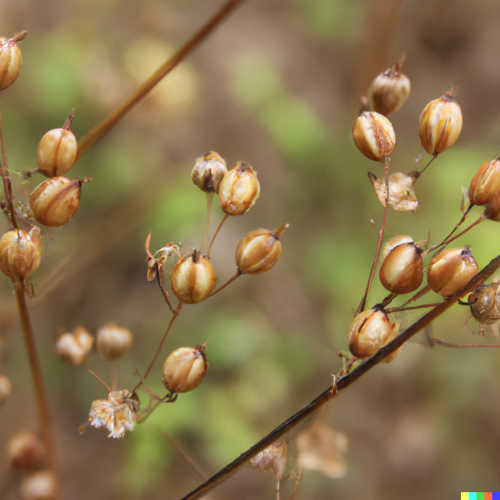
The plant matures quickly—from seed to harvest in just a few months—and requires little interference. It bolts with heat, sending up delicate white-to-pinkish umbel flowers that attract beneficial insects and pollinators. After flowering, the plant sets round, ribbed fruits that turn brown as they dry—these are the coriander seeds used in CO₂ extraction.
The seeds are harvested at full maturity, then dried and cleaned before undergoing supercritical CO₂ extraction, which captures both the essential oil and heavier fatty components, giving the final product its smooth, seedlike warmth and tenacity.
Botanical Name: Coriandrum sativum
Family: Apiaceae
Common Names: Coriander, Cilantro (leaves), Chinese Parsley
Plant Type: Fast-growing annual herb
Part Used for Extraction: Dried seeds (fruits)
Growth Habit: Upright, branching stems; bushy when young, flowering quickly in heat
Flowering Season: Late spring to midsummer, depending on climate
Harvest Time for CO₂ Extraction: Once seeds are fully brown and dry on the plant
Physical Characteristics:
Family: Apiaceae
Common Names: Coriander, Cilantro (leaves), Chinese Parsley
Plant Type: Fast-growing annual herb
Part Used for Extraction: Dried seeds (fruits)
Growth Habit: Upright, branching stems; bushy when young, flowering quickly in heat
Flowering Season: Late spring to midsummer, depending on climate
Harvest Time for CO₂ Extraction: Once seeds are fully brown and dry on the plant
Physical Characteristics:
Native Habitat + Growth Conditions:
Native To: Mediterranean Basin, North Africa, Southwest Asia
Preferred Soil: Loose, well-drained loam; rich in organic matter
Sunlight: Full sun to partial shade
Climate: Thrives in temperate to warm zones; bolts in heat
Ecological Notes: Attracts bees, lacewings, and predatory insects; self-seeds readily
Native To: Mediterranean Basin, North Africa, Southwest Asia
Preferred Soil: Loose, well-drained loam; rich in organic matter
Sunlight: Full sun to partial shade
Climate: Thrives in temperate to warm zones; bolts in heat
Ecological Notes: Attracts bees, lacewings, and predatory insects; self-seeds readily
Energetic Botanical Signature
Coriander doesn’t linger—it grows fast, flowers early, and sets seed before anyone’s ready. But there’s wisdom in that urgency. It knows how to complete a cycle, how to move from chaos to clarity without dragging its roots through unnecessary drama.
The seed itself is round and tight—a compact sphere of order and potential. It holds what the leaf doesn’t: coherence, maturity, and discernment. And while the leaves scream for attention, the seeds store the essence of what actually matters.
Coriander teaches this:
It is a plant of integration, insight, and energetic coherence. Not to fix you.
