
Every order ships USPS Priority — $10.95 flat-rate USPS Priority shipping on all US orders, no minimum. Free shipping on domestic orders over $299.
Welcome to Stillpoint. Subscribe to our newsletter for sale details and new-product news · One discount code per order · Every order is hand-poured, packed with care in ceremony, and shipped as we receive it.

Chili CO₂ Total Extract | Warming Circulation & Energetic Fire

Capsicum frutescens

  • Chili CO₂ Total Extract | Warming Circulation & Energetic Fire

Average Rating: (see reviews)

$10.00 Ex Tax: $10.00

Essential Facts

  • Latin Name: Capsicum frutescens
  • Country of Origin: Cuba
  • Plant Parts: Fresh ripe fruit, Seeds
  • Note Classification: Middle
  • Cultivation Method: Organically Grown
  • Method of Extraction: CO2 Total Extraction
  • Extraction Date: September 2025
  • Approx. Shelf Life: 8 years
  • Aroma: Exotic, Fresh, Spicy, Strong
  • Energetic Applications: 1st Chakra - survival and support, 2nd Chakra - relationships, creation energy, 6th Chakra - perspective, Clarity, Energizing, Expansive, Protective, Purifying
  • Therapeutic Properties: Analgesic, Anti-arthritic, Anti-depressant, Anti-infectious, Anti-inflammatory, Anti-rheumatic, Anti-spasmodic, Circulatory stimulant, Digestive stimulant, Energizing, Immuno-stimulant, Rubefacient, Strengthening, Warming
Notes & Use

Personal Use

Chili CO₂ Total Extract (Capsicum annuum)
Hot. Bold. Alive. Chili CO₂ isn’t shy—it speaks in fire and moves energy fast. Its aroma is unmistakable: warm, peppery, sharp, and slightly smoky, with a vibrant punch that awakens both the senses and the nervous system. Unlike steam-distilled oils, this total CO₂ extract captures the full spectrum of plant compounds, including the warming capsaicinoids that give chili its signature heat.

Stillpoint’s Chili CO₂ Total is extracted from ripe red Capsicum annuum fruits grown with intention and integrity. We use it sparingly—this oil is intensely potent, and a little goes a very long way. It’s not for casual use, but when you want to stimulate circulation, break up stagnation, or add a bit of fiery medicine to a blend, this oil brings heat, energy, and momentum like nothing else.

This is the oil of ignition—used wisely, it stokes the inner fire and gets things moving again.

Therapeutic Benefits
  • Pain Relief: Capsaicin, the active component in chili, is a well-established treatment for various types of pain, including arthritis (osteoarthritis and rheumatoid arthritis), muscle pain, fibromyalgia, and nerve pain such as that from diabetic neuropathy and post-herpetic neuralgia (pain after shingles). The mechanism involves the depletion of substance P, a neurotransmitter responsible for sending pain signals to the brain, thus providing relief from pain. It's used in topical creams, gels, and patches at concentrations typically ranging from 0.025% to 0.075%.
  • Anti-Inflammatory: The anti-inflammatory properties of capsaicin are beneficial not only in pain management but also in reducing inflammation associated with conditions like bursitis, bronchitis, and chronic obstructive pulmonary disease (COPD). Capsaicin's effect on the TRPV1 receptor has also shown potential in protecting against cardiometabolic diseases like hypertension and obesity.
  • Skin Conditions: Capsaicin has shown promise in treating skin conditions such as psoriasis. Regular application can significantly reduce the frequency and severity of psoriasis flare-ups by inhibiting substance P, although initial use may cause a temporary burning sensation.
  • Weight Management: Capsaicin is known for its metabolism-boosting properties, which can help with weight loss by increasing energy expenditure and reducing appetite. While the effects can vary, consistent consumption of capsaicin-rich foods has been associated with modest weight loss and improved fat metabolism.
  • Cardiovascular and Metabolic Health: Regular consumption of capsaicin has been linked to reduced risks of various metabolic disorders, including diabetes, by improving blood sugar and insulin responses. Capsaicin may also help with longevity by supporting cardiovascular health, although more research is needed to confirm these effects.
  • Neurological Benefits: Capsaicin has shown neuroprotective properties in studies related to conditions like Alzheimer’s disease, Parkinson’s disease, and stroke. It helps reduce neurodegeneration and supports recovery from neurological damage in these contexts.
  • Digestive Health: Capsaicin has been traditionally used to treat digestive issues like dyspepsia (indigestion) and heartburn. It helps by stimulating digestive fluids and protecting against gastric ulcers, though its use should be carefully monitored as it can cause abdominal discomfort in some individuals.
  • Cluster Headaches and Migraines: Capsaicin is also being explored as a treatment for severe headaches. When applied inside the nostril under medical supervision, it can reduce the frequency and intensity of cluster headaches and migraines by desensitizing pain pathways.

Traditional Use

Chili has a long, fiery lineage in traditional medicine systems around the world—used not for its softness, but for its ability to stir the blood, ignite the gut, and wake the body from stagnation. From Mesoamerican rituals to Ayurvedic fire-balancing formulas, chili is a plant of activation, often used when things have gone cold, stuck, or slow.

Mesoamerican + Central American traditions
The use of chili peppers dates back thousands of years to the ancient Aztec and Maya, who saw them as both food and medicine. Chili was used in purification rituals, often to drive out illness, evil spirits, or emotional heaviness. It was also applied to the skin or used in steam baths to increase circulation and "sweat out" fever or disease.

Ayurveda
In Ayurvedic medicine, chili (Marich or Katu) is considered rajasic—stimulating, activating, and transformative. It’s used to ignite agni (digestive fire), dispel kapha (cold, damp stagnation), and support circulation and metabolism. However, its heat must be balanced with cooling, soothing herbs—a principle mirrored in aromatherapy blending.

Traditional Chinese Medicine (TCM)
Chili is known to move Qi and blood, especially in the meridians associated with digestion and circulation. It is used to clear cold, dispel wind-damp, and stimulate the yang energy of the body. Topical applications were used in salves for arthritis, rheumatism, and numbness in the limbs.

Folk medicine + rural applications
Chili-infused oils and poultices have been used throughout rural cultures for muscle pain, cold joints, and stimulating vitality in the weak or elderly. In the colder months, chili was often blended into warming foot rubs and chest balms to keep the blood moving and the lungs open.

Botany

Capsicum annuum, the plant behind Chili CO₂ Total Extract, is an annual or short-lived perennial in the Solanaceae (nightshade) family. Though many varieties exist within this species—from sweet bell peppers to blazing-hot chilies—the CO₂ extract is typically derived from the fully ripe, red chili fruits of spicier cultivars, rich in capsaicinoids and carotenoids.

Chili peppers are native to Central and South America, where they have been cultivated for over 6,000 years. Today, they grow globally in warm climates, and the plant is as prized for its culinary, medicinal, and cultural significance as it is for its pungent heat.

Botanical name: Capsicum annuum
Family: Solanaceae
Common names: Chili, Cayenne, Hot Pepper, Bird Pepper
Plant type: Herbaceous annual or short-lived perennial
Part used for extraction: Ripe red fruit
Growth habit: Erect, branching, typically 1–3 feet in height
Flowering season: Mid to late summer
Harvest time for CO₂ extraction: Late summer to early fall, when fruits are fully ripe and intensely red

Physical characteristics
  • Leaves: Simple, ovate to lance-shaped, smooth-edged, with a slightly glossy surface
  • Stems: Smooth and branching; become woody at the base in perennial growth
  • Flowers: White, star-shaped with five petals, often appearing singly or in small clusters
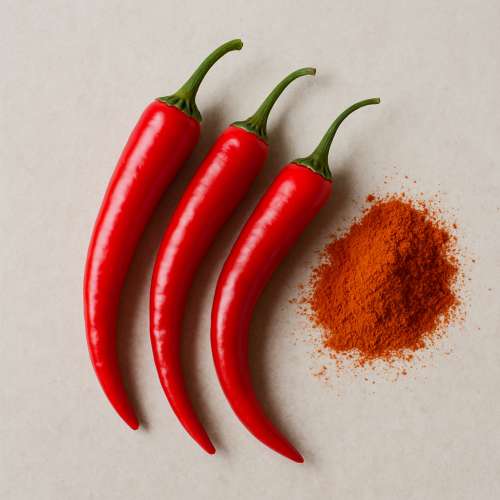
  • Fruit: Elongated, tapering red pods with a glossy skin and pungent heat; interior lined with seeds
  • Seeds: Flat, round, and pale yellow, contained in the central pith of the fruit

Native habitat + growth conditions
  • Native to: Central America, northern South America, and southern North America
  • Preferred soil: Well-drained, moderately rich loam or sandy soil
  • Sunlight: Full sun
  • Climate: Warm to hot climates; frost-sensitive and thrives in long, sunny growing seasons
  • Ecological role: Pollinated by insects; fruits are consumed by birds who help disperse the seeds without being affected by the capsaicin (which mammals find irritating)

Energetic botanical signature
Capsicum annuum is heat embodied. Its bright red color, fiery flavor, and sharp upward growth mirror its role in the body—to stimulate, mobilize, and revive. It grows best in hot climates and resists disease through intensity. Energetically, it reminds us that life force needs movement, and sometimes that movement comes through heat, friction, and fire. Chili brings a sacred agitation—used not to harm, but to awaken and clear.
Energetics

Energetic Properties

Energetic Uses:
  • Activation and Empowerment: Chili CO2 extract is known for its potent ability to activate and energize the body’s energetic fields. It can be used to stimulate the flow of life force energy (Qi or Prana) through the body, breaking through stagnation and blockages. This activation can lead to a heightened sense of vitality, alertness, and physical energy, making it useful for overcoming lethargy or feelings of being stuck.
  • Cleansing and Purification: The intense, fiery energy of chili is often used in energetic cleansing practices. It can help to purify spaces, objects, or auras by burning away negative energies or unwanted influences. This purification process can create a clean slate, allowing for fresh, positive energies to flow in.
Esoteric Uses:
  • Protection and Defense: In many spiritual traditions, chili is considered a protective substance. Its fiery nature is believed to create a shield around the user, warding off negative influences, psychic attacks, or malevolent spirits. This protective quality makes it a powerful ally in rituals designed to safeguard individuals or spaces.
  • Transformation and Transmutation: Chili CO2 extract carries the energy of transformation, symbolized by its association with the element of fire. It can be used in rituals or meditations aimed at personal transformation, helping individuals to burn away old habits, limiting beliefs, or emotional baggage. This transformative energy is often harnessed in practices focused on spiritual growth, personal evolution, and the alchemical process of turning base emotions into higher consciousness.
Vibrational Uses:
  • Root and Sacral Chakra Activation: The warming, grounding energy of chili is particularly resonant with the lower chakras—the root and sacral chakras. It can be used to activate and balance these energy centers, promoting feelings of security, stability, and creativity. For the root chakra, chili’s energy can enhance one’s connection to the earth and physical existence, while for the sacral chakra, it can stimulate creativity, passion, and sensuality.
  • Enhancing Focus and Willpower: On a vibrational level, chili’s energy is associated with the strengthening of willpower and focus. It can help to sharpen the mind, enhance concentration, and support the pursuit of goals with determination and persistence. This makes it a valuable tool in practices that require sustained focus and mental clarity, such as meditation, study, or strategic planning.
  • Emotional Resilience: The vibrational energy of chili is also connected to emotional fortitude. It can help individuals build resilience to emotional stress and challenges, offering support in standing strong in the face of adversity. This can be particularly beneficial during times of intense emotional turmoil or when one needs to maintain a strong, composed presence.
Spiritual and Ritualistic Uses:
  • Fire Element Work: Chili CO2 extract is closely aligned with the fire element, making it ideal for rituals or spiritual practices that invoke the energy of fire. This could include ceremonies focused on purification, transformation, or the invocation of passion and creativity.
  • Enhancing Rituals and Spells: Chili is often used in rituals or spellwork to enhance the power and effectiveness of the intentions being set. Its fiery nature can amplify the energy of the ritual, ensuring that the intentions are sent out into the universe with great force and clarity.

Traditional & Folklore

Protection and Warding Off Evil
In many cultures, especially in Latin America, Capsicum frutescens is believed to have protective qualities. Chili peppers are often hung in bunches near doorways, windows, and entrances to homes to ward off evil spirits, negative energies, and the "evil eye." This practice is seen in countries like Mexico, where chili peppers are a common household item used for spiritual protection. The belief is that the fiery nature of the chili can repel harmful influences, keeping the inhabitants safe from harm.

Fertility and Abundance
In some African and Caribbean traditions, chili peppers are used in rituals aimed at ensuring fertility and abundance. The pepper's prolific nature, with its ability to produce many fruits, is symbolic of fertility and the capacity to multiply. It is sometimes used in ceremonies to bless newlyweds or expecting mothers, symbolizing a prosperous and fruitful life ahead.
Healing and Medicine
Among indigenous communities in Central and South America, chili peppers have long been used in traditional medicine not just for their physical healing properties, but also for spiritual cleansing. The peppers are used in healing rituals to cleanse the body of toxins, both physical and spiritual. Shamans and healers might use chili peppers in smoke cleansing rituals (similar to smudging) to purify individuals or spaces, removing negative energy and restoring balance.

Love and Passion
In various folk traditions, chili peppers are associated with love and passion due to their intense heat. In Italian folklore, for example, it is said that wearing a red chili pepper amulet can help attract love and passion into one’s life. The pepper’s heat is seen as a metaphor for the fiery nature of love and desire. Additionally, in some cultures, chili peppers are used in love spells and potions to rekindle passion in relationships.

Agricultural Practices
In rural agricultural communities, particularly in parts of Asia and Latin America, chili peppers are planted around fields and crops as a natural deterrent against pests. Folklore suggests that the pepper's heat can also protect crops from being damaged by evil spirits or bad weather. This practice is part of a broader belief in the protective powers of the chili plant, extending its influence to the land and harvests.

Cultural Symbolism and Festivals
In many cultures, chili peppers are celebrated for their symbolic power during festivals and rituals. In Hinduism, chili peppers are often used in rituals to ward off the evil eye, especially in Southern India. It is common to see strings of chilies and limes hung outside homes and businesses as a protective charm. In some Mexican festivals, chili peppers are part of offerings to deities to seek blessings for protection and prosperity.

Fire Element and Spiritual Alchemy
In esoteric traditions, chili peppers are often associated with the element of fire, which is linked to transformation, purification, and spiritual alchemy. In alchemical practices, the use of chili peppers might symbolize the process of burning away impurities (both physical and spiritual) to reveal the pure essence. This is reflected in some shamanic rituals where the pepper’s heat is used to induce a trance-like state, allowing for deep spiritual journeys and insights.

Cultural Myths and Legends
In Mexican folklore, it is believed that chili peppers were a gift from the gods, given to humanity to add flavor and heat to food. According to legend, the god Quetzalcoatl brought the first chili seeds to earth, teaching humans how to cultivate them. This myth underscores the cultural importance of chili peppers in Mexican cuisine and spirituality.
Chemistry

Chemical Components

The aroma chemistry of Chili CO2 extract with 10% Capsaicinoids primarily revolves around capsaicin and related capsaicinoids, which are responsible for its intense heat and spicy aroma. Capsaicin is the most abundant compound, providing a sharp, pungent scent. Other contributing compounds include dihydrocapsaicin and nordihydrocapsaicin, which add to the overall spiciness. Additionally, minor volatile compounds such as carotenoids and terpenes (like β-caryophyllene) contribute earthy and slightly sweet notes, enhancing the complex aroma profile of the extract​
Safety Etc.

Safety Information

Safety Precautions
  • Dilution: The extract must be diluted properly before any topical application. To ensure safety, a 0.1% dilution (3 drops per ounce of carrier oil) or a 0.5% dilution (3 drops per five ounces of carrier oil) is recommended. This helps to avoid the risk of skin irritation or burning sensations.
  • Strictly External Use: Internal use of Chili CO2 extract should only be undertaken under the supervision of a clinically trained aromatherapist, as improper usage can lead to serious health complications, including internal burns.
  • Patch Testing and Sensitive Areas: Always conduct a patch test before applying capsaicin products to ensure no adverse reactions occur, and avoid applying to sensitive areas such as the eyes, nose, or mouth.

Reviews (0)

Write a review

Note: HTML is not translated!
    Bad           Good
Powered By OpenCart
Stillpoint Aromatics © 2026