
Traditional Use
-
High-Performing Diuretic & Detoxifier: This extract serves as an impressive diuretic, helping the body to flush out excessive water. By doing so, it plays a significant role in detoxification, supporting and enhancing the health of the urinary system.
-
Inflammation Alleviator: Valued for its anti-inflammatory properties, celery seed extract may provide relief for painful conditions that stem from inflammation, like gout.
-
Edema Handler: For those experiencing water retention or edema, celery seed extract might offer a natural way to ease the discomfort associated with these conditions.
-
Cystitis Solution: As an unconventional remedy, this extract could be used in a sitz bath to potentially assist in the treatment of cystitis, an inflammation often triggered by urinary tract infections.
-
Potential Aid for Hypertension: When high blood pressure is exacerbated by fluid retention, celery seed extract, with its diuretic action, could offer a helping hand.
-
Whole-Body Cleanse & Detox Supporter: Lastly, celery seed extract is a natural companion in the journey of whole-body detoxification and cleansing. It promotes the removal of toxins, fostering overall health and wellbeing.
Botany
-
Growth Habit: Celery is a biennial plant, which means it completes its life cycle in two years. In the first year, it grows out its greenery and a taproot. In the second year, it flowers and produces seeds.
-
Stalks: The plant is famous for its long, crunchy, ribbed stalks that arrange in a conical shape. These stalks, which are a common part of many culinary dishes, are actually the plant's petioles, or leaf stems.
-
Leaves: Celery leaves are pinnate to bipinnate with rhombic leaflets 3–6 cm long and 2–4 cm broad. They're aromatic and are sometimes used in cooking, similar to parsley.
-
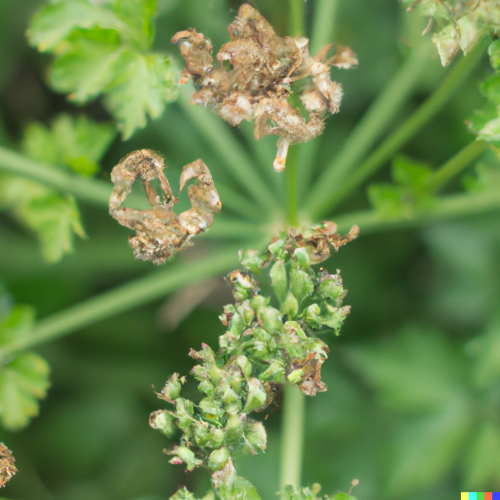
Flowers and Seeds: In its second year, celery produces a round cluster of white or light-pink flowers in the summer. Following this, it generates small, ridged, tan to dark brown seeds. These seeds are used as a spice and in herbal medicine.
-
Roots: Some celery cultivars are raised for their large, bulbous roots, known as celeriac, which can be used as a root vegetable.
- Fun Fact: The term 'celery' comes from the French 'céleri', which was derived from an ancient Greek word 'selinon,' referenced in Homer's Odyssey.
