
Personal Use
Citronella Essential Oil
Citronella (Cymbopogon nardus) is a bold, lemony-green essential oil distilled from the long, waving grasses of southern India. Known primarily for its insect-repelling properties, this oil holds deeper vibrational gifts—clearing stagnation, energizing the mind, and creating protective space in both body and spirit. Its scent is sharp, fresh, and slightly woody, with a bright citrus lift that cuts through fog—whether environmental or emotional.
Citronella (Cymbopogon nardus) is a bold, lemony-green essential oil distilled from the long, waving grasses of southern India. Known primarily for its insect-repelling properties, this oil holds deeper vibrational gifts—clearing stagnation, energizing the mind, and creating protective space in both body and spirit. Its scent is sharp, fresh, and slightly woody, with a bright citrus lift that cuts through fog—whether environmental or emotional.
While citronella has been used traditionally for centuries throughout tropical Asia, its formal distillation began in earnest during British colonial rule, when it was cultivated in plantations and exported for use in candles, soaps, and early medicinal preparations. The Indian Java-type variety, rich in citronellal, geraniol, and citronellol, remains one of the most therapeutically potent and aromatically refined types available today.
- Insect Repellent and Environmental Protection: Citronella is best known for its ability to naturally repel mosquitoes and other insects, thanks to its high levels of citronellal and geraniol. It creates a protective aromatic barrier, making it a valuable oil for outdoor use, sprays, candles, and diffuser blends that purify the air.
- Emotional Uplift and Mental Clarity: The bright, lemony aroma of Citronella may help shift heavy or stagnant emotional states. It’s often used to promote alertness, mental clarity, and a renewed sense of optimism—especially when emotional fatigue, irritability, or mental clutter are present.
- Respiratory and Immune Support: Citronella’s antimicrobial and decongestant properties make it useful in diffuser blends or steam inhalations during cold or allergy season. It may support the immune system and help ease mild respiratory discomfort.
- Muscle and Joint Comfort: Traditionally used in massage oils and balms, Citronella may help relieve occasional muscle aches, stiffness, or joint tension. Its slightly warming and anti-inflammatory nature makes it especially helpful in blends targeting physical discomfort related to overexertion or stress.
- Detoxification and Circulatory Stimulation: Citronella is often included in body care blends to support detoxification, water retention, and lymphatic flow. It may help improve circulation and encourage movement of stagnant energy—physically and energetically.
Traditional Use
Citronella has a long history of traditional use in Southeast Asian, Ayurvedic, and folkloric medicine. Far more than a simple insect repellent, this aromatic grass has been used for centuries to purify spaces, calm the body, and ward off disease—both physical and energetic.
Folk Medicine and Cultural Use:
In India and across Southeast Asia, citronella was traditionally used in baths, steams, and compresses to reduce fever, relieve joint and muscle pain, and clear congestion. The grass was often burned as incense or scattered on floors to ward off insects and unwanted spirits alike, making it both a physical and spiritual cleanser.
Digestive and Respiratory Support:
Traditional healers used citronella infusions or poultices to support digestion, ease intestinal cramping, and relieve gas and bloating. It was also applied as a chest rub or inhaled to clear the lungs and ease breathing during colds or flu.
Ritual Cleansing and Energetic Protection:
In spiritual practices, citronella was valued for its ability to dispel negativity and banish unwanted energy. The oil and the raw plant were used in space clearing rituals, often during times of illness or emotional unrest. It was believed to create an energetic boundary, protecting the body and spirit from intrusion.
Anti-Infectious and Preventive Medicine:
Before the advent of modern antibiotics, citronella’s strong antimicrobial and insecticidal properties made it a frontline remedy in the prevention of disease. It was used in herbal salves, home sprays, and outdoor preparations to reduce infection risk and repel illness-carrying insects.
Botany
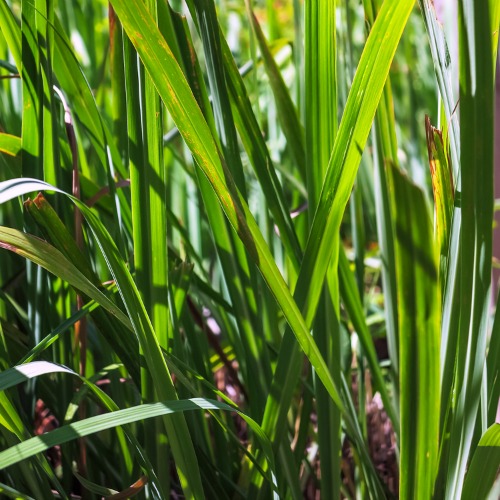
Citronella (Cymbopogon nardus) is a fast-growing, aromatic perennial grass belonging to the Poaceae (grass) family. Closely related to lemongrass and palmarosa, it is distinguished by its softer, more rounded aroma and its long-standing use in both traditional medicine and perfumery.
Botanical Name: Cymbopogon nardus
Family: Poaceae
Common Name: Ceylon Citronella
Plant Type: Perennial tropical grass
Part Used: Aerial parts—primarily the fresh or semi-dried leaves
Growth Cycle: Perennial in tropical climates; can be grown as an annual in cooler zones
Common Name: Ceylon Citronella
Plant Type: Perennial tropical grass
Part Used: Aerial parts—primarily the fresh or semi-dried leaves
Growth Cycle: Perennial in tropical climates; can be grown as an annual in cooler zones
Physical Characteristics
-
Appearance: Tall, tufted grass that grows in dense clumps, reaching heights of 5–6 feet (1.5–1.8 meters)
-
Leaves: Long, slender, bright green blades with a strong lemony scent when crushed; the edges can be slightly rough or sharp
-
Stems: Reddish at the base, firm, and aromatic
-
Flowers: Rarely flowers when cultivated for oil; if present, they form loose panicles at the top of long stalks
Native Habitat and Growth Conditions
-
Native Regions: Thought to be native to Sri Lanka (Ceylon) and Southeast Asia
-
Cultivation Regions: Grown extensively in India, Sri Lanka, Indonesia, and parts of Africa and South America
-
Climate: Thrives in warm, humid, tropical and subtropical climates
-
Soil Needs: Prefers well-drained, sandy or loamy soils, rich in organic matter; does not tolerate waterlogging
-
Harvest Cycle: Leaves are typically harvested 3–4 times per year, with oil yield and quality improving when harvested just before flowering
