
Personal Use
Port Orford Cedarwood Essential Oil (Chamaecyparis lawsoniana)
Port Orford Cedarwood is a quiet, yet deeply grounding oil—a true anchor when you need it most. Unlike some of the more intense cedarwood oils, Port Orford carries a softer, sweeter aroma with woodsy and citrus-like notes that feel fresh and clean, but still rooted. It has an energy that doesn’t force, but rather gently embraces and reconnects—like standing tall in the middle of a dense forest, your roots reaching into the earth while your branches open to the sky.
Stillpoint’s Port Orford Cedarwood is steam distilled from the wood of the Port Orford Cedar tree, native to the coastal regions of Oregon. Highly valued in aromatherapy and woodworking, this oil has been used traditionally to support spiritual grounding, emotional resilience, and energetic protection. With its rich history in ceremonial and healing practices, Port Orford Cedarwood brings calm, clarity, and a sense of sacred space.
This oil feels like a deep, calming breath of fresh air in a sacred forest.
Therapeutic Applications
Emotional Grounding + Centering:
Port Orford Cedarwood is a deeply grounding oil, perfect for times of emotional overwhelm or when you feel energetically scattered. It can help restore a sense of balance and mental clarity, especially when stress or anxiety have disconnected you from your sense of self. Its grounding properties support both nervous system regulation and emotional resilience, offering a sense of safety during times of uncertainty or energetic depletion.
Energetic Protection + Spiritual Cleanse:
This oil is traditionally used in spiritual practices to clear energetic blockages, purify spaces, and create sacred space. Its protective qualities are especially helpful for empaths or those who feel overwhelmed by external energy. Diffuse or apply topically before or after ceremonies, healing sessions, or stressful events to re-establish energetic boundaries and reconnect with inner strength.
Respiratory Support + Decongestion:
Port Orford Cedarwood can also assist with respiratory congestion and sinus discomfort. Its natural decongestant properties make it a gentle option when paired with other respiratory oils like Eucalyptus or Peppermint. Use in steam inhalation or in diffuser blends to clear the airways and promote easier breathing.
Skin Health + Inflammation Relief:
Mildly anti-inflammatory, Cedarwood oil has been used in topical applications for skin soothing and balancing. It may support blemish-prone skin, irritation, or inflammation—especially when stress or emotional tension manifests as skin flare-ups. Use in skincare blends for soothing effects on irritated or sensitive skin.
Muscle Relief + Circulation Boost:
Used in massage oils, Port Orford Cedarwood may assist with muscle tension or stiffness, particularly when emotional stress is causing physical tightness in the body. Its warming and circulation-boosting properties make it a good choice for post-workout recovery or during times when the body feels heavy and sluggish.
Traditional Use
Traditional Use of Port Orford Cedarwood | Protection, Grounding, and Sacred Space
Port Orford Cedarwood has been a revered oil in both traditional healing and ceremonial practices. Known for its grounding, protective, and purifying properties, this oil has held an important place in Native American rituals and Pacific Northwest cultures, where it was used both in spiritual practices and daily life.
Sacred Space + Purification
The wood of the Port Orford Cedar was historically used in sacred structures such as sweat lodges and ceremonial spaces, due to its purifying and protective properties. The wood’s natural aroma was believed to cleanse the air and protect the space from negative energy, making it a favored choice for rituals and ceremonies that required clear and focused energy.
Port Orford Cedarwood oil was used in smudge blends, ritual incense, and cleansing baths, with the intention of restoring spiritual equilibrium and promoting a safe environment for emotional release. Its protective nature was valued for shielding the spiritual body from external disturbances and helping to anchor individuals during times of change or transition.
Physical + Emotional Support
Beyond its spiritual uses, the oil was also utilized for its physical grounding and emotional stabilization. Indigenous peoples would often incorporate the oil into massage blends or balms to support muscle pain or tension, especially when caused by stress or spiritual unrest. This oil was traditionally used to calm the mind, especially during times of emotional distress or overwhelm.
Healing + Ritual Use
In the Pacific Northwest, Port Orford Cedarwood was also regarded as a healing wood, with its oils being used in a variety of medicinal preparations. The tree’s bark, leaves, and wood were often boiled or steeped for use in healing poultices, ointments, and salves for wounds, skin irritations, and even respiratory issues.
The oil’s mild antiseptic and anti-inflammatory properties were trusted to help with physical ailments, while its energetic cleansing properties made it useful for spiritual recovery or energetic maintenance.
Botany
- Port Orford Cedarwood (Chamaecyparis lawsoniana) is a coniferous evergreen tree native to the coastal regions of Oregon in the United States. Known for its wood, which is highly prized in woodworking, aromatherapy, and spiritual practices, it’s one of the most sought-after cedars due to its sweet, rich aroma and exceptional resistance to decay.
Port Orford Cedarwood is not a true cedar but rather a species in the Cupressaceae family, also known as the Lawson Cypress. It has a long history of use by Indigenous peoples for creating sacred spaces and ritual items, and is still cherished for its therapeutic and ceremonial benefits.
Botanical Name: Chamaecyparis lawsoniana
Family: Cupressaceae (Cypress)
Common Names: Port Orford Cedar, Lawson Cypress
Plant Type: Evergreen conifer
Part Used for Distillation: Wood (heartwood and boughs)
Growth Habit: Tall, upright tree, growing up to 200 feet (60 meters)
Flowering Season: Spring (pollen cones); typically inconspicuous flowers
Harvest Time for Distillation: Mature wood, primarily from older trees; harvested sustainably
Family: Cupressaceae (Cypress)
Common Names: Port Orford Cedar, Lawson Cypress
Plant Type: Evergreen conifer
Part Used for Distillation: Wood (heartwood and boughs)
Growth Habit: Tall, upright tree, growing up to 200 feet (60 meters)
Flowering Season: Spring (pollen cones); typically inconspicuous flowers
Harvest Time for Distillation: Mature wood, primarily from older trees; harvested sustainably
Physical Characteristics:
-
Height: Typically 50–200 feet (15–60 meters), though often harvested from 60–100-foot trees for distillation
-
Trunk: Tall, straight, with smooth, reddish-brown bark that peels in strips
-
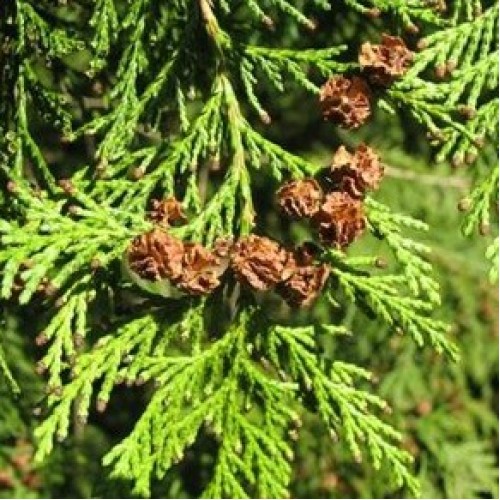
Leaves: Small, scale-like leaves that overlap on thin, feathery branches
-
Cones: Small, round cones that are less noticeable than other cedar trees, typically green and turning brown as they mature
-
Wood: The heartwood is dense, aromatic, and prized for its resistant properties, contributing to its long-lasting durability and pleasant fragrance
Native Habitat + Growth Conditions:
-
Native To: Coastal regions of Oregon, especially in temperate rainforests and moist mountain slopes
-
Preferred Soil: Well-drained, loamy, or slightly acidic soils
-
Sunlight: Prefers full sun to partial shade
-
Climate: Thrives in temperate, moist climates with abundant rainfall and moderate temperatures
-
Ecological Role: This tree plays a vital role in its native ecosystems, supporting local wildlife and plant communities while stabilizing soil in mountainous regions. Its dense, durable wood is often used for fencing, cabinetry, and sacred carvings.
Energetic Botanical Signature
Port Orford Cedarwood grows tall and straight, symbolizing spiritual elevation while still deeply connected to the earth. Its dense, aromatic wood mirrors its grounding and protective qualities—ideal for supporting spiritual fortitude and emotional resilience. The way this tree withstands the harsh coastal conditions is reflected in its ability to provide steady support to those who feel unsteady or overwhelmed by external influences
