
Every order ships USPS Priority — $10.95 flat-rate USPS Priority shipping on all US orders, no minimum. Free shipping on domestic orders over $299.
Welcome to Stillpoint. Subscribe to our newsletter for sale details and new-product news · One discount code per order · Every order is hand-poured, packed with care in ceremony, and shipped as we receive it.

Dill Seed Essential Oil | Digestive & Nervous System Calm | Anethum graveolens

Anethum graveolens

  • Dill Seed Essential Oil | Digestive & Nervous System Calm | Anethum graveolens

Average Rating: (see reviews)

$10.00 Ex Tax: $10.00
GC/MS Report
Current: Sept 2014

GC/MS Report

Batch: dill2014 (Sept 2014)
Distilled: Spring 2014

Gas Chromatography Analysis (%)

Monoterpenes

d-limonene 39.84
β-myrcene 0.59
α-pinene 0.30
para-cymene 0.18

Monoterpenols

linalol 0.20
trans-carveol 0.16

Ketones

carvone 53.88

Phenols

thymol 0.20

Ethers

dillapiole 0.36

Essential Facts

  • Latin Name: Anethum graveolens
  • Country of Origin: Bahamas
  • Botanical Family: Umbelliferae
  • Plant Parts: Seeds
  • Note Classification: Middle
  • Cultivation Method: Unsprayed
  • Method of Extraction: Steam or Hydro Distillation
  • Extraction Date: April 2025
  • Approx. Shelf Life: 7 years
  • Chemical Family: Ketones, Monoterpenes
  • Batch: Dillsd
  • Aroma: Fresh, Green, Minty, Slightly camphoraceous, Sweet
  • Energetic Applications: 2nd Chakra - relationships, creation energy, 6th Chakra - perspective, 7th Chakra - higher information, Clarity, Expansive, Meditative, Protective, Transformative
  • Therapeutic Properties: Anti-bacterial, Anti-spasmodic, Carminative, Digestive tonic, Emmenagogic, Hypotensive, Stimulant, Stomachic
Notes & Use

Personal Use

Dill Seed Essential Oil (Anethum graveolens)

Bright. Herbal. Slightly spicy. Dill Seed essential oil has a distinctively clean, aromatic scent that instantly calls to mind the warmth of a spice cabinet and the gentle buzz of digestion waking up. It's a bit sweeter and rounder than the grassy sharpness of Dill Weed, offering a deeper aromatic signature with hints of anise, caraway, and warm spice.

Stillpoint’s Dill Seed essential oil is steam distilled from the mature seeds of Anethum graveolens, grown without pesticides and harvested with respect for both the plant and its potency. Long revered in traditional medicine systems for its effect on the digestive system, Dill Seed brings clarity and movement—both physically and emotionally.

It’s the kind of oil that centers and settles—making space for nourishment, calm, and gentle momentum.

Therapeutic Applications
Dill Seed essential oil is best known for its ability to soothe the belly, calm spasms, and ease the nervous system—especially when digestion and emotion are tangled up. It’s a traditional remedy for discomfort that sits in the gut, whether physical or energetic.

Digestive Support
Dill Seed is a classic carminative—it helps relieve gas, bloating, indigestion, and sluggish digestion. It’s especially helpful when discomfort is linked to anxiety, emotional stress, or overconsumption. Use in abdominal massage blends or compresses after meals.

Antispasmodic + Cramp Relief
May help ease intestinal spasms, menstrual cramps, and smooth muscle tension, particularly when stress is a contributing factor. A supportive oil for gut-driven nervous system imbalances.

Mild Sedative + Nervous System Calm
Dill Seed has gentle sedative properties that may help ease restlessness, circular thinking, and mild anxiety—especially when paired with oils like Roman Chamomile or Lavender. Its ability to calm both the gut and the mind makes it a quiet powerhouse for overthinkers and those prone to worry.

Lactation and Hormonal Support
Traditionally used to support milk flow in breastfeeding mothers (under professional guidance), Dill Seed may also have mild estrogenic properties, contributing to hormonal support blends in perimenopausal care or menstrual cycle balancing (always consult safety data and individual needs).

Antimicrobial + Breath Freshening
With mild antimicrobial activity, Dill Seed can be added to blends for oral care, mouth rinses, or diffusers aimed at reducing airborne microbes—especially in kitchen or digestive spaces.

Traditional Use

Dill Seed has long been a healer of the gut and heart—used across cultures for its ability to calm, soothe, and protect. While the herb is a kitchen staple, the seeds were where the medicine concentrated—offering deep support for the digestive system, nervous system, and even ritual protection.

Ancient Egypt
Dill was recorded in the Ebers Papyrus as a digestive aid and calming herb. Egyptians valued dill seeds for soothing the gut, treating flatulence, and relieving infant colic. The plant also held symbolic uses in funerary rites, likely for its association with peace and spiritual ease.

Greek and Roman Healing
Hippocrates recommended dill as a mouth cleanser, while Roman soldiers used it to calm the nerves and settle the stomach before battle. Dill wreaths were placed over the heads of champions and used in cooking to aid digestion after heavy meals.

Ayurveda + Unani Traditions
In India, dill (Shatapushpa) has been used traditionally to support lactation, ease digestive spasms, and calm restlessness—especially in postpartum care. Unani physicians used it to treat urinary disorders, bloating, and reproductive imbalances, highlighting its impact on both the lower abdomen and emotional system.

European Folk Medicine
Dill was steeped into teas to calm colicky infants, reduce menstrual cramps, and encourage milk production. It was also burned or placed in doorways to ward off evil spirits or protect against nightmares, making it as much a spiritual protector as a digestive tonic.

Modern Uses in Natural Health
Today, Dill Seed essential oil is still used for its traditional benefits—especially for digestive relief, nervous system support, and emotional calm. It's a favorite in postpartum blends, stress-care formulas, and child-safe preparations (always with proper dilution). Herbalists continue to value it as a plant that meets the body where it's holding tension—particularly in the gut and solar plexus.

Botany

Anethum graveolens, commonly known as Dill, is a delicate annual or biennial herb in the Apiaceae (carrot or parsley) family. Though both its feathery leaves (used as an herb) and seeds (used as a spice and for essential oil) are valued, it is the fully mature seeds that yield the essential oil with the most therapeutic and energetic depth.

Botanical name: Anethum graveolens
Family: Apiaceae
Common names: Dill, European Dill, Garden Dill
Plant type: Annual or biennial herb
Part used for distillation: Seeds (fully ripened)
Growth habit: Upright, slender, and hollow-stemmed, growing 2–3 feet tall
Flowering season: Summer (typically mid to late summer)
Harvest time for distillation: Late summer to early fall, once seeds have fully dried on the umbel

Physical characteristics
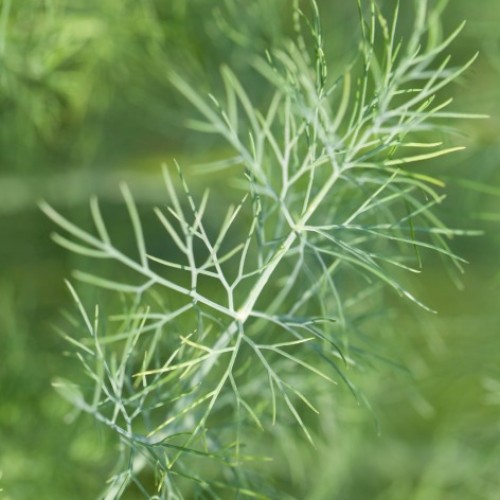
  • Leaves: Finely divided and thread-like, soft green in color; aromatic and feathery
  • Stems: Hollow, light green, smooth
  • Flowers: Flat-topped umbels made up of tiny yellow flowers, resembling Queen Anne’s lace
  • Seeds: Flat, oval, ridged, and aromatic; tan to light brown in color with a warm, sweet-spicy scent
  • Roots: Taproot system, generally shallow

Native habitat + growth conditions
  • Native to: The Mediterranean and West Asia
  • Now naturalized in: Europe, India, the Middle East, and North America
  • Preferred soil: Well-drained, light to moderately rich loamy soil
  • Sunlight: Full sun
  • Climate: Prefers mild to warm climates; tolerates drought once established
  • Ecological role: Attracts pollinators like bees and butterflies; supports beneficial insects like ladybugs and lacewings

Energetic botanical signature
Dill is airy, open, and upright—yet deeply rooted in clarity and calm. Its finely divided leaves, light scent, and graceful posture reflect its energetic qualities: it doesn’t overpower; it clears and makes space. The umbel-shaped flowers symbolize expansion from a central source, mirroring Dill’s role in helping us process and integrate from the solar plexus outward.
This is a plant of gentle release—not to purge, but to unravel what’s been twisted tight.
Energetics

Energetic Properties

Dill Seed is the oil you reach for when your nervous system has been living just under your skin—agitated, exhausted, or on edge. It doesn’t shout or shock—it wraps around the body like a warm, settling breeze, especially when your discomfort hides behind a smile or a clenched gut.

This oil is gentle but wise. It’s been around long enough to know that emotional stress often shows up in the body, especially the belly. It doesn’t force you to relax—it helps you unclench. It reminds your system that you don’t have to be so guarded. It’s often the first step in letting your guard down safely.

Dill Seed works beautifully for people who:
  • Carry tension in their stomachs
  • Overthink or “digest” stress mentally
  • Can’t sleep because of spinning thoughts
  • Struggle with regulating their breath or rhythm after emotional disruption

Energetic themes:
  • Easing emotional tension stored in the gut and diaphragm
  • Supporting nervous system regulation and emotional digestion
  • Restoring boundaries that have been worn thin through caregiving, stress, or overextension
  • Gentle solar plexus support—especially where control, fear, or over-responsibility are held
  • Subtle energetic protection for sensitive empaths or children

Spiritual use:
Dill Seed offers calm without collapse—it doesn’t sedate, it soothes. Use it in blends for post-trauma grounding, rituals for emotional detox, or solar plexus unwinding. It’s especially helpful in sessions where stored emotions are being released from the belly or lungs.
This is a wonderful oil to use in integration work, or when transitioning from sympathetic overdrive into parasympathetic rest. It reminds the body that stillness is safe, and that clarity can come through softness—not force.


Traditional & Folklore

Dill has long been seen as a guardian herb—both physically and spiritually. From ancient tombs to bedside cradles, it’s been used to ward off harm, ease the body, and settle the spirit. The seeds, in particular, were treasured for their ability to protect, pacify, and open the gates to healing—not with force, but with gentleness.

Ancient Egypt
Dill was mentioned in the Ebers Papyrus (circa 1550 BCE) and placed in tombs as both a medicinal herb and a symbol of peace in the afterlife. The seeds were steeped into digestive tonics and believed to calm restless spirits.

Greece and Rome
Greek physicians used dill seeds to treat hiccups, indigestion, and sleeplessness, while Romans considered it a symbol of vitality and even used it in garlands for warriors. It was believed to offer courage and protection, especially during childbirth or illness.

European folk practices
In medieval Europe, dill was hung in doorways and stitched into clothing to protect against curses, envy, and the evil eye. Seeds were scattered around cradles or added to dream pillows to keep infants calm and prevent nightmares. Some midwives even burned dill as a fumigant during childbirth to ward off malevolent spirits and calm the nervous system of both mother and child.

Germanic + Nordic traditions
Dill was considered a “witch’s bane”—a plant that could break enchantments and spiritual bindings. It was burned during protective rites, blended into teas for restoring clarity, and added to love spells or divination formulas to sweeten emotional vision.

Indian & Middle Eastern uses
While often used as medicine in Ayurveda and Unani systems, dill was also carried as a talisman of calming power. The seeds were believed to balance the heart and gut, and to restore mental focus after spiritual overwhelm. Dill was considered a gentle but spiritually potent herb, especially in women’s healing and postpartum rituals.
Chemistry

Chemical Components

Dill Seed essential oil is rich in aromatic ethers and monoterpenes, giving it that unmistakable sweet-spicy aroma and strong affinity for the digestive and nervous systems. Its chemistry is what makes it both soothing and stimulating—a bit of a dual-action powerhouse.

Primary chemical families:

  • Aromatic Ethers

    • Dillapiole – Unique to dill, this compound has gentle calming, mildly sedative, and spasm-relieving effects. It contributes to the oil’s effectiveness in digestive and emotional tension.

    • Myristicin – Present in small amounts; adds to the mildly psychoactive, soothing, and euphoric qualities of the oil.

  • Monoterpenes

    • Limonene – A common citrus-scented compound with mood-lifting, digestive, and antimicrobial effects. Adds a touch of brightness and helps balance the heavier ethers.

    • Carvone – Present in both dill and caraway; it’s a key player for antispasmodic and digestive-stimulating effects.

  • Phenylpropanoids (in small amounts)

    • Compounds like anethole may show up in trace quantities depending on the distillation. These contribute to sweetness and nervous system relaxation.


Therapeutic implications of its chemistry:

  • The dillapiole + limonene combo supports calm digestion, mild cramping, and emotional regulation.

  • High ether content makes this a more potent oil than it smells—it's best used in lower dilutions for both topical and emotional blends.

  • Slightly estrogenic compounds like myristicin make this oil supportive for hormonal transitions, particularly when paired with grounding oils like Clary Sage or Geranium

Recipes & Blends

Recipes & Blends

1. Gut Calm Abdominal Oil
For nervous belly, indigestion, cramping, or bloating (especially stress-related)
  • 4 drops Dill Seed (Anethum graveolens)
  • 3 drops Sweet Fennel (Foeniculum vulgare)
  • 2 drops Roman Chamomile (Chamaemelum nobile)
  • 1 oz Jojoba or Fractionated Coconut Oil
Use: Massage clockwise over the abdomen after meals or during periods of digestive tension. Can also be used as a warm compress.

2. Restful Milk Flow Support (for lactation)
To gently support milk production and ease tension around feeding
  • 2 drops Dill Seed
  • 2 drops Clary Sage (Salvia sclarea)
  • 1 drop Lavender (Lavandula angustifolia)
  • 1 oz Sesame or Apricot Kernel Oil
Use: Apply in gentle circular motions to the sides of the breasts, avoiding the nipple area. Best used after nursing. (Consult with a professional if nursing.)

Energetic + Emotional Recipes
3. Unraveling the Tightness Anointing Blend
For those carrying tension in the gut, chest, or solar plexus after emotional overwhelm
  • 3 drops Dill Seed
  • 2 drops Coriander Seed (Coriandrum sativum)
  • 2 drops Neroli (Citrus aurantium)
  • 1 tsp carrier oil
Use: Apply to solar plexus, wrists, or under the ribs before rest, journaling, or after emotional release. A gentle balm for those holding too much.

4. Sacred Soothing Diffuser Ritual
For sleep, energetic softening, or emotional digestion
  • 3 drops Dill Seed
  • 2 drops Frankincense (Boswellia carterii)
  • 2 drops Mandarin (Citrus reticulata)
  • 1 drop Vetiver (Vetiveria zizanioides)
Use: Diffuse for 30 minutes before sleep, or during a grounding ritual when you need to calm overstimulation or psychic static.
Safety Etc.

Safety Information

Dill Seed essential oil is generally considered gentle and safe when used properly, but there are a few things to keep in mind:
  • Avoid during pregnancy due to its potential mild estrogenic effects—especially in high doses or long-term use.
  • Do not use undiluted on the skin. Always dilute appropriately (typically 1–2% max in adult blends).
  • Use caution with infants and young children. While dill is traditionally used for colic and calming, always consult a qualified practitioner and use only in highly diluted blends (0.25–0.5%).
  • May be mildly estrogenic—avoid or use cautiously in individuals with estrogen-dependent conditions unless guided by a practitioner.
  • Avoid use if oxidized—like many seed oils, it can become irritating if it’s old or improperly stored. Keep in a cool, dark place with the cap tightly sealed.
Bottom line: This oil is gentle but potent, especially for the gut and nervous system. Respect its chemistry, use clean sourcing, and blend it wisely—it’ll do the rest.

Reviews (0)

Write a review

Note: HTML is not translated!
    Bad           Good
Powered By OpenCart
Stillpoint Aromatics © 2026