
Every order ships USPS Priority — $10.95 flat-rate USPS Priority shipping on all US orders, no minimum. Free shipping on domestic orders over $299.
Welcome to Stillpoint. Subscribe to our newsletter for sale details and new-product news · One discount code per order · Every order is hand-poured, packed with care in ceremony, and shipped as we receive it.

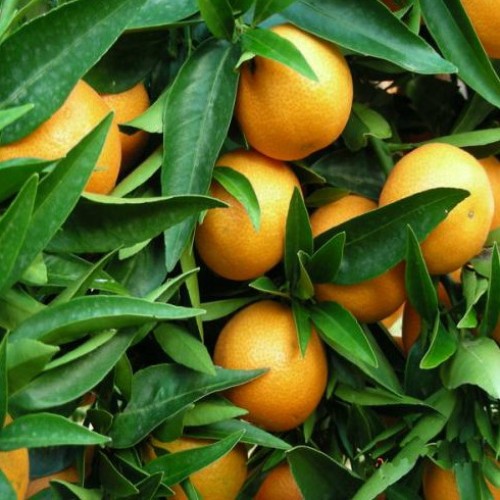
Clementine Petitgrain Essential Oil | Emotional Recovery & Nervous System Support | Corsica

Citrus reticulata blanco var. Clementine

  • Clementine Petitgrain Essential Oil | Emotional Recovery & Nervous System Support | Corsica

Average Rating: (see reviews)

$10.00 Ex Tax: $10.00
GC/MS Report
Current: summer2015

GC/MS Report

Batch: clem2015 (summer2015)
Distilled: March 2015

Gas Chromatography Analysis (%)

Monoterpenes

sabinene 38.88
d 3-carene 5.80
trans-β-ocimene 5.74
myrcene 3.01
β-pinene 1.75
α-pinene 1.46
terpinolene 1.11
γ-terpinene 1.08
α-terpinene 0.75
β-phellandrene 0.73
α-phellandrene 0.50
α-thujene 0.31
para-cymene 0.31
cis-β-ocimene 0.21
camphene 0.03
m-cymene 0.02
α-fenchene 0.01

Monoterpenols

terpinen-4-ol 1.19
cis-sabinene hydrate 0.66
α-terpineol 0.51
nerol 0.03

Sesquiterpenols

trans-nerolidol 0.08

Sesquiterpenes

trans-β-farnesene 0.97
β-caryophyllene 0.82
β-sesquiphellandrene 0.13
α-humulene 0.08
δ-cadinene 0.04
β-copaene 0.03
germacrene D 0.02
α-copaene 0.02
β-elemene 0.01

Esters

geranyl acetate 0.65
trans-sabinene hydrate 0.12
neryl acetate 0.10
citronellyl acetate 0.04
α-terpinyl acetate 0.03
linalyl acetate 0.02
methyl geranate 0.02
citronellic acid 0.01

Aliphatic Aldehydes

a-sinensal 100.00
citronellal 2.59
β-sinensal 0.99
geranial 0.13
neral 0.08

Ketones

6-methyl-5-hepten-2-one 0.01

Essential Facts

  • Latin Name: Citrus reticulata blanco var. Clementine
  • Country of Origin: Antarctica
  • Botanical Family: Rutaceae
  • Plant Parts: Twigs/Branches
  • Note Classification: Top/Middle
  • Cultivation Method: Distiller is Certified Organic
  • Method of Extraction: Steam or Hydro Distillation
  • Extraction Date: June 2024
  • Approx. Shelf Life: 6 - 7years
  • Chemical Family: Monoterpenes, Monoterpenols
  • Aroma: Citrus, Floral, Fresh, Fruity, Sweet
  • Energetic Applications: 2nd Chakra - relationships, creation energy, 4th Chakra - unconditional love, Clarity, Energizing, Meditative, Protective, Uplifting
  • Therapeutic Properties: Anti-anxiety, Anti-depressant, Anti-inflammatory, Anti-spasmodic, Aphrodisiac, Calming, Cooling, Sedative, Tonic
Notes & Use

Personal Use

Soft, citrus-green, and unexpectedly warm—Clementine Petitgrain carries the familiar brightness of the fruit, but through the steady intelligence of the tree. The aroma is rounder and sweeter than other petitgrains, with a tender green lift and a subtle floral undertone that’s both calming and emotionally restorative.

Stillpoint’s Clementine Petitgrain is steam distilled from the leaves and young twigs of Corsican-grown Citrus clementina. This part of the plant offers a gentler expression of the citrus family—less sharp than lemon, less bitter than orange, and uniquely suited for the nervous system, especially when stress is accompanied by grief, fatigue, or emotional sensitivity.

It’s a calm anchor in citrus form—nourishing without dullness, clarifying without stimulation.

Nervous System Support + Emotional Soothing
Clementine Petitgrain is especially helpful in times of emotional overexertion—when the system has been holding too much, for too long. Its chemistry supports parasympathetic activation, helping to quiet racing thoughts, regulate mood, and support rest.

Sleep and Transition Aid
With its gentle floral-citrus profile, this oil can be supportive in sleep blends—especially for those whose insomnia is rooted in emotional unrest or transition. It softens the space between wake and rest.

Subtle Digestive Support
Traditionally used to ease upper abdominal tension tied to worry or sadness, Clementine Petitgrain may assist with mild digestive discomfort when the nervous system is involved.

Energetic Boundary + Reconnection to Joy
This oil supports emotional clarity without disconnection. It helps those who’ve been in long cycles of grief or heaviness reconnect to small pleasures and internal safety—without forcing “positivity.”

Traditional Use

While Clementine Petitgrain is not as widely referenced in historical texts as its bitter orange or lemon counterparts, its use is rooted in the same Southern European citrus traditions—especially in Corsica and coastal Mediterranean regions, where the entire tree is viewed as medicine, not just the fruit.

Emotional Soothing in Herbal Baths
The leaves and young twigs of the clementine tree were often added to warm baths or infusions to support recovery from emotional overwhelm, grief, or melancholia—especially in women and children. The plant was valued for its sweet, non-aggressive calming effect, offering relief without dullness.

Support for Restless Sleep and Nervous Tension
Herbalists in Corsica and southern France used leaf infusions and distillates to ease nervous restlessness, especially in sensitive individuals who were emotionally overextended. The plant’s gentleness made it suitable for use with elders, children, and those recovering from emotional shock.

Subtle Digestive Support
Like other citrus leaf oils, Clementine Petitgrain was used in digestive applications where emotional tension played a role—helping to soothe the belly and calm the breath when the nervous system and gut were in communication.

Convalescent + Transitional Remedy
This oil’s traditional use extended to times of recovery—not just physical, but emotional. It was diffused, steeped, or worn during periods of mourning, transition, or emotional disconnection to help gently re-establish a sense of wholeness and inner safety.

Botany

Citrus clementina, commonly known as the Clementine tree, is a small evergreen tree in the Rutaceae family. A natural hybrid between sweet orange (Citrus sinensis) and Mediterranean mandarin (Citrus deliciosa), it’s widely cultivated for its sweet, seedless fruit—but the leaves and twigs offer a lesser-known aromatic expression: Clementine Petitgrain.

The Corsican-grown trees used for this oil thrive in the island’s mineral-rich soils, oceanic air, and abundant sunlight—yielding an oil that is gentler, rounder, and slightly more floral than other citrus leaf distillations. The young twigs and foliage carry both the brightness of citrus and the grounded presence of the tree’s vascular system.

Botanical Name: Citrus clementina
Family: Rutaceae
Common Names: Clementine, Clementine Petitgrain (leaf oil)
Plant Type: Evergreen fruiting tree
Part Used for Distillation: Leaves and twigs
Growth Habit: Compact, rounded crown; typically 3–5 meters in height
Flowering Season: Spring
Harvest Time for Distillation: Late spring to early summer, when the foliage is fresh, aromatic, and resin-rich

Physical Characteristics:
  • Leaves: Glossy, deep green, oblong, slightly leathery; highly aromatic when crushed
  • Twigs: Green, slender, and flexible when young—distilled while fresh for aromatic richness
  • Flowers (not used in this oil): White, fragrant, and pollinator-attracting
  • Fruit (not used in this oil): Small, sweet, nearly seedless; typically harvested in winter

Native Habitat + Growth Conditions:
  • Native To: Believed to originate in Algeria or Tunisia; now widely cultivated across Corsica, Spain, and southern Italy
  • Preferred Soil: Well-drained, loamy to sandy soil with moderate acidity
  • Sunlight: Full sun
  • Climate: Subtropical to Mediterranean; sensitive to frost, thrives in coastal or inland valleys
  • Ecological Notes: Offers nectar and pollen to pollinators in spring; often grown alongside other citrus in biodiverse orchards


Energetic Botanical Signature
Clementine Petitgrain comes not from the showy fruit, but from the structure of the tree itself—its leaves and twigs. The parts that photosynthesize, support, and regulate. It’s not trying to shine; it’s trying to hold you steady.
The leaves breathe in light. The twigs bend without breaking. And that’s what this oil teaches on an energetic level: how to stay soft without losing form, how to recalibrate without shutting down. There’s no demand for joy here—just a subtle invitation to come home to yourself after emotional exposure, nervous system depletion, or grief that left you untethered.

Corsican-grown, this oil also carries the signature of place: resilient, sun-warmed, ocean-kissed. There’s a brightness in its grounding—a reminder that regulation doesn’t mean dullness. It means you get to feel what’s real, in your own time, in your own body.
This is boundary medicine for the sensitive. Breath medicine for the dissociated. And a gentle return to sweetness for the parts of you that forgot how.
Energetics

Energetic Properties

Clementine Petitgrain is a balm for the nervous system and the heart. It holds the energy of quiet integration—the kind that happens after a long cry, a necessary pause, or the moment you finally exhale after holding your breath for days. It doesn’t force release—it allows it, gently and without expectation.

This oil meets you where you are: tender, overstimulated, uncertain, or just tired of trying so hard. It helps loosen the grip of fear, soften the emotional static, and rebuild trust in your own rhythm. It’s especially helpful for sensitive individuals who’ve internalized too much, too fast—and need an energetic companion that feels safe, sweet, and stabilizing.

Energetic Themes:
  • Softens internal pressure and helps regulate energetic overload
  • Gently clears emotional weight held in the chest and solar plexus
  • Supports grief integration and emotional repair after rupture
  • Offers quiet containment for the sensitive, the empathic, the overwhelmed
  • Encourages reconnection to sweetness and internal joy—without bypassing depth

Spiritual Use:
Use Clementine Petitgrain in ritual baths, auric sprays, or anointing blends for recalibration after emotional intensity. It is especially potent for caregivers, space-holders, or those doing inner child work, grief processing, or healing from emotional trauma. This oil helps you remember: you don’t need to push to heal. You just need to allow space.

Traditional & Folklore

While the clementine fruit is celebrated for its sweetness and abundance, the leaves and twigs—the source of Clementine Petitgrain—have been used quietly in Corsican and Mediterranean folk traditions for emotional cleansing, nervous restoration, and home protection.

Restful Sleep + Child Soothing
In Corsican villages, clementine leaves were sometimes placed in satchels beneath pillows or steeped into warm nighttime infusions to support calm sleep, especially in children or the elderly. The scent was believed to quiet restless thoughts and soften fear, especially after emotional distress or nightmares.

Post-Grief + Convalescent Support
The tree’s foliage was used in baths or herbal steams for those recovering from loss, illness, or spiritual heaviness. These rituals were designed to clear emotional residue and restore the spirit, especially for those who had withdrawn or become energetically flat after intense life events.

Boundary Clearing + Home Protection
Clementine branches—often fresh and aromatic—were laid across windowsills or entryways to provide a gentle boundary against emotional intrusion. Unlike more aggressive plants used in energetic protection, clementine was chosen when the space or person needed to be held, not walled off.

Ritual Cleanse for the Sensitive
Used in small-scale cleansing ceremonies, clementine leaves were added to water and used to wash the face, hands, and chest—helping to release emotional buildup without disconnection. These practices were especially used by midwives, caregivers, and those who worked closely with others’ pain.
Chemistry

Chemical Components

Clementine Petitgrain essential oil is rich in monoterpenes, esters, and monoterpenols, offering a calming, emotionally balancing profile with subtle digestive and respiratory support. Compared to other petitgrains, its chemistry tends to be less bitter and more floral, reflecting the plant’s hybrid nature and Corsican terroir.
This oil offers a unique nervous system effect: it quiets without sedating, lifts without overstimulating. It’s ideal for blends that support sleep, transition, and emotional recalibration—especially where the system has become overly sensitive or depleted.

Key Chemical Families Typically Present in Clementine Petitgrain:
  • Esters (linalyl acetate, geranyl acetate) – calming, antispasmodic, nervous system regulation, emotional ease
  • Monoterpenes (limonene, β-pinene, γ-terpinene) – gently uplifting, mild antimicrobial, digestive and respiratory support
  • Monoterpenols (linalool, geraniol, nerol) – emotionally grounding, skin-supportive, soothing to the nervous system
  • Trace Aldehydes + Oxides – may contribute to mild decongestant and mood-clearing effects

Therapeutic Implications of the Chemistry:
  • Helps regulate autonomic nervous system activity—particularly beneficial during emotional stress, transition, or prolonged tension
  • May support digestive ease where symptoms are linked to worry or emotional suppression
  • Gently antimicrobial and respiratory supportive—useful in diffuser blends during seasonal shifts
  • Soothes without sedating, making it useful in daytime blends for stress, irritability, or overstimulation
  • Skin-friendly and well tolerated when diluted properly—safe for use in topical applications for adults and older childrenå
Recipes & Blends

Recipes & Blends

1. Grief-Sensitive Sleep Blend
For difficulty sleeping tied to emotional processing, grief, or nervous exhaustion.
Ingredients (diffuser blend):
  • 4 drops Clementine Petitgrain
  • 3 drops Roman Chamomile (Chamaemelum nobile)
  • 2 drops Lavender (Lavandula angustifolia)
Diffuse 30 minutes before bed or place a few drops on a tissue near the pillow. Supports rest without sedation.

2. Gentle Gut Reset Belly Oil
Supports upper digestive discomfort related to emotional overwhelm or tension.
Ingredients:
  • 1 oz carrier oil (e.g., fractionated coconut or jojoba)
  • 4 drops Clementine Petitgrain
  • 3 drops Sweet Basil (Ocimum basilicum)
  • 2 drops Cardamom (Elettaria cardamomum)
Massage into the abdomen in slow, clockwise circles after meals or during stress.

3. Soft Aura Boundary Mist
Creates a gentle energetic filter—ideal for sensitive days, transitions, or emotional re-entry.
Ingredients (for 2 oz mist):
  • 12 drops Clementine Petitgrain
  • 4 drops Neroli (Citrus aurantium var. amara)
  • 2 drops Frankincense (Boswellia carterii)
  • 2 oz hydrosol (Rose or Orange Blossom) or distilled water
Spray around your body or space. Use before sessions, after social interaction, or when reclaiming your energy.

4. Inner Child Comfort Balm
Supports reconnecting to joy, safety, and softness—especially for those healing from emotional neglect.
Ingredients (in 10 ml roll-on with jojoba):
  • 4 drops Clementine Petitgrain
  • 2 drops Sweet Orange (Citrus sinensis)
  • 1 drop Linden Blossom absolute (Tilia cordata)
Apply over the heart center, wrists, or solar plexus. Use during journaling, grief work, or whenever softness is needed.
Safety Etc.

Safety Information

Clementine Petitgrain essential oil (Citrus clementina, leaf and twig) is generally considered gentle and well-tolerated, especially when fresh and properly stored.
  • Always perform a patch test before topical use.
  • Use in low to moderate dilutions (1–3%) for skin application.
  • Do not ingest.
  • Not recommended during pregnancy unless guided by a qualified practitioner.
  • Avoid use on broken or irritated skin.
  • Oxidized oil may increase the risk of skin sensitization—store tightly sealed and away from light or heat.
  • Use caution in children under 5; not for use in bath blends for infants.

Reviews (4)

Write a review

Note: HTML is not translated!
    Bad           Good
Powered By OpenCart
Stillpoint Aromatics © 2026