
Every order ships USPS Priority — $10.95 flat-rate USPS Priority shipping on all US orders, no minimum. Free shipping on domestic orders over $299.
Welcome to Stillpoint. Subscribe to our newsletter for sale details and new-product news · One discount code per order · Every order is hand-poured, packed with care in ceremony, and shipped as we receive it.

Celery Seed Essential Oil | Detox Support & Mental Clarity

Apium graveolens

  • Celery Seed Essential Oil | Detox Support & Mental Clarity

Average Rating: (see reviews)

$10.00 Ex Tax: $10.00

Essential Facts

  • Latin Name: Apium graveolens
  • Country of Origin: Bahamas
  • Botanical Family: Apiaceae
  • Note Classification: Top/Middle
  • Cultivation Method: Unsprayed
  • Method of Extraction: Steam or Hydro Distillation
  • Extraction Date: February 2026
  • Approx. Shelf Life: 6 years
  • Chemical Family: Monoterpenes
  • Batch: celrerseed
  • Aroma: Fresh, Slightly musky, Spicy
  • Therapeutic Properties: Analgesic, Anti-anxiety, Anti-arthritic, Anti-inflammatory, Anti-oxidant, Anti-rheumatic, Anti-spasmodic, Aphrodisiac, Carminative, Digestive tonic, Diuretic, Hypotensive, Liver supporter, Nervine, Sedative, Tonic
Notes & Use

Personal Use

Celery Seed Essential Oil (Apium graveolens)
Fresh. Crisp. Herbaceous. Celery Seed essential oil is not just a kitchen herb—it carries the rich legacy of wellness passed down through ancient civilizations. Its sharp, herbaceous aroma has a touch of earthy warmth and a slightly spicy, green edge that cuts through the air, grounding the body while clearing the mind.

Fun facts:
In a story that stretches back to the grand civilizations of ancient Rome and Greece, celery wasn’t just a crunchy snack—it was grown for its healing powers. The Greeks even brewed it into a special wine. Over in India, traditional healers have relied on celery seed for thousands of years to relieve water retention, soothe upset tummies, and ease joint troubles. Meanwhile, in Europe, these tiny seeds were used to manage gout and ease muscle and joint pains. Fast forward to today, and you'll find celery seed oil sneaking into our food, perfumes, and soaps, continuing its legacy of wellness across centuries.

Stillpoint’s Celery Seed essential oil is steam distilled from the seeds of the celery plant, a hardy herb known for its medicinal properties. The oil carries a scent that energizes and clarifies, grounding the spirit and soothing the body. It is a perfect choice for moments when you need to clear emotional heaviness or calm overactive energies.

This oil feels like a fresh breeze—cool, crisp, and transformative, yet deeply connected to its earthy roots.

Therapeutic Applications
Digestive Support + Water Retention Relief:
Celery Seed essential oil has long been used as a digestive aid, especially for issues like bloating, indigestion, and water retention. Its natural diuretic properties make it a wonderful option for supporting fluid balance in the body. When used in blends or diffused, it can help relieve digestive discomfort and promote smoother digestion.

Joint and Muscle Support:
Celery Seed oil is traditionally used to help ease gout and muscle or joint pain, particularly when discomfort is linked to inflammation. The oil's anti-inflammatory properties make it a good option for topical massage blends aimed at soothing sore muscles, arthritis pain, or stiff joints. It can be especially helpful when dealing with the emotional stagnation that can manifest physically in the body.

Calming the Nervous System + Stress Relief:
With its grounding and refreshing aroma, Celery Seed oil is a wonderful addition to any stress-relief blend. It can help calm an overstimulated nervous system, bringing emotional balance when you're feeling anxious, scattered, or mentally overwhelmed. Diffuse it during moments when you need to regain focus or calm a busy mind.

Antimicrobial + Antiseptic:
Celery Seed oil has natural antimicrobial and antiseptic properties, making it useful for cleaning and purifying environments, as well as skin care. It can be added to topical applications for minor wounds, abrasions, or skin irritations, helping to protect against bacterial or fungal infections.

Traditional Use

Celery has a long history of use as both a culinary ingredient and a medicinal herb. Its seeds, in particular, have been used for centuries across different cultures, especially in European, Indian, and Middle Eastern folk medicine, where they were prized for their digestive and anti-inflammatory properties.

Digestive Aid & Water Retention Relief
In ancient Greece and Rome, celery seeds were commonly used to support digestion, alleviate indigestion, and reduce bloating. The seeds were believed to help move energy in the digestive system and support the body’s ability to eliminate excess fluid. They were also used in tinctures and teas to relieve stomach cramps and gas.

Joint Health & Gout Treatment
In Europe, celery seeds were traditionally used as a natural remedy for gout, arthritis, and other joint pains. The seeds' anti-inflammatory properties helped reduce swelling, while their diuretic effects were believed to help with purifying the kidneys and reducing uric acid buildup—key contributors to gout. Celery seed was also used in massage oils and poultices for sore joints and muscles.

Traditional Indian Uses for Detox & Healing
In India, celery seeds have been an integral part of Ayurvedic medicine for thousands of years. They are still used today to purify the body, reduce water retention, and support liver and kidney function. Celery seed is considered a cooling herb in Ayurvedic practices, making it ideal for those experiencing heat-related symptoms such as inflammation and heat-induced digestive issues.

Spiritual and Ceremonial Use
In some cultures, celery seed was used in rituals and ceremonies to promote spiritual balance and purification. It was often burned as incense or added to herbal baths to cleanse the aura, protect the individual from negative influences, and restore emotional equilibrium.

Botany

Celery (Apium graveolens) is a biennial herb in the Apiaceae family, known for its crisp stalks and distinct aromatic seeds. While celery is widely used in culinary practices, its seeds are the true stars in aromatherapy and traditional medicine, celebrated for their digestive and anti-inflammatory properties. This versatile plant has been cultivated for centuries for its medicinal value, stretching back to ancient Rome and Greece.

Botanical Name: Apium graveolens
Family: Apiaceae (Carrot family)
Common Names: Celery, Wild Celery
Plant Type: Biennial herb
Part Used for Distillation: Seeds
Growth Habit: Upright, branching, and hollow-stemmed
Height: 1–3 feet (30–90 cm)
Flowering Season: Late summer to fall
Harvest Time for Distillation: After seed maturation, typically late summer or early fall

Physical Characteristics:
  • Leaves: Finely divided, feathery leaves with a distinctive aromatic scent when crushed
  • Stems: Hollow, slender stems that carry the strong flavor and aroma of celery
  • Flowers: Small, white to light green, clustered in umbels characteristic of the Apiaceae family
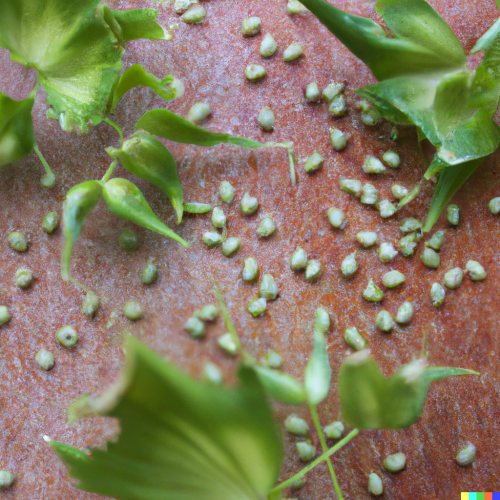
  • Seeds: Oval, greenish-brown, and slightly curved, with a spicy, herbaceous aroma when crushed

Native Habitat + Growth Conditions:
  • Native To: Mediterranean regions, though widely cultivated globally, including parts of Europe, Asia, and North America
  • Preferred Soil: Rich, well-drained, and moist soils with a slightly alkaline pH
  • Sunlight: Full sun
  • Climate: Thrives in temperate climates, preferring cooler growing conditions in its first year
  • Ecological Role: Celery is commonly found in wetlands, riverbanks, and moist meadows. As a hardy plant, it tolerates a range of growing conditions, often spreading to areas that provide moisture and warmth. The seeds are incredibly aromatic, providing a natural attraction for pollinators.

Energetic Botanical Signature
Celery Seed grows low to the ground but with a clear upward growth, showing resilience in a variety of conditions. This represents mental clarity that can emerge from a place of groundedness and stability. The oil’s herbaceous aroma with a slightly spicy edge mirrors its ability to clear emotional fog while providing physical support. Its broad, feathery leaves symbolize openness and adaptability, much like its use in providing support for the digestive system and musculoskeletal discomfort.
Energetics

Energetic Properties

Celery Seed Essential Oil is a quiet, potent ally that works subtly yet powerfully to illuminate the mind and cleanse the energy. It carries a clear, sharp, and herbaceous energy, with a slight earthy sweetness that feels both grounding and refreshing. It’s like a gentle yet focused breath that brings clarity to your thoughts while also clearing negative energies.

Mind Illuminator: Picture Celery Seed as a tiny lantern, illuminating the shadowy corners of your mind, brushing away cobwebs of confusion and doubt. Its energy helps to usher in mental clarity, dissolving the foggy haze to make way for a clear, focused mind. It is an ideal oil to support those moments when you’re feeling mentally scattered or stuck, guiding you back to a place of clarity and understanding.

Spiritual Ascension Guide: Like a trusted companion on your spiritual journey, Celery Seed nurtures growth, helps you navigate around obstacles, and encourages transformation. It keeps you grounded yet willing to stretch towards the light of wisdom. Its subtle influence is perfect for those seeking to grow spiritually, elevate their consciousness, and move past limiting beliefs.

Energy Cleanser: Celery Seed acts as a spiritual detox agent, sweeping away negative vibes and setting up a protective shield against harmful influences. In the realm of magic, it is akin to a mystical broom, purging the energy field and creating space for positive, vibrant energy. It’s often used to clear stagnant emotional energy and restore a sense of balance and lightness.

Psychic Awakener: Thought to be a powerful ally in opening the third eye, Celery Seed enhances psychic abilities and intuition. It amplifies your inner radar, helping you tune into the vibrations of the universe. For those on a path of spiritual awakening or seeking to deepen their connection to the unseen realms, this oil can help illuminate the path to insight and prophecy.

Serene Whisperer: Celery Seed emits a calm and soothing energy, acting like a serene whisper in the storm. It quietens the anxious winds within, fostering peace and relaxation. When stress, worry, or overwhelm takes hold, this oil brings a sense of calm—creating a safe, nurturing environment for relaxation and emotional restoration.

Cupid’s Little Helper: In the world of love and attraction, Celery Seed is thought to ignite passion and fan the flames of desire. It is often used in love spells or as a magical companion in matters of attraction. It’s a spark in the realm of romance—helping to stir passion, attraction, and connection, whether it be in love or lust.

Traditional & Folklore

Celery has long been valued across ancient cultures, with its seeds used for a variety of healing purposes, spiritual rituals, and even culinary applications. From the ancient world to modern folk medicine, Celery Seed has played an important role in maintaining health, supporting the body’s functions, and enhancing spiritual well-being.

Ancient Greece
Celery and its seeds were highly regarded in ancient Greece. The plant was used during funeral rites and to decorate tombs, as well as in garlands worn by athletes. Winners of the Nemean Games, one of the four Panhellenic Games of Ancient Greece, were crowned with a wreath made of wild celery. The connection between celery and victory, endurance, and spiritual respect runs deep in this tradition.

Ayurvedic Tradition
In traditional Indian medicine (Ayurveda), celery seeds have long been used to treat colds, flu, water retention, poor digestion, arthritis, and certain liver and spleen diseases. Known for their cooling properties, celery seeds were often used to balance bodily fluids and support the digestive system.

European Folk Medicine
In European folk medicine, celery seeds were widely used as a diuretic, helping with the removal of excess water from the body. Celery was often recommended for joint pain, gout, and digestive issues. The seeds were believed to be cleansing, aiding in detoxification, and were a common ingredient in various herbal remedies for inflammation and fluid retention.

American Folklore
Native American tribes have used wild celery seeds and the plant itself for a range of remedies, including headache, appetite suppression, and as an all-around health tonic. The seeds were also believed to have cooling and nervine properties, helping to soothe both the body and the mind.

Chinese Medicine
In Traditional Chinese Medicine (TCM), celery seeds were used to lower blood pressure, reduce cholesterol, and improve circulation. They were believed to have a calming effect on the spirit, often used to treat conditions associated with the liver and emotions, helping to restore balance and peace to both the physical and energetic body.

Roman Empire
During the Roman era, celery was considered an aphrodisiac. It was also thought to have a cooling effect and was consumed in the summer months to help prevent heatstroke. The seeds were used as a spice and for medicinal purposes, supporting digestive function and promoting physical strength.

Medieval Times
In the Middle Ages, celery was included in many medicinal remedies. It was often used to treat digestive problems, colds, and sleep disorders, with a focus on soothing the nervous system and promoting restful sleep. Its use was widespread, making it a go-to herb for common ailments.

Modern Folk Medicine
In modern folk practices, it is believed that chewing a few celery seeds can help with the elimination of bad breath. Celery seeds are also used in teas and infusions that are believed to soothe the nerves, promote relaxation, and aid in detoxification.
Chemistry

Chemical Components

Celery Seed essential oil has a sharp, herbaceous, slightly spicy aroma with an underlying earthy sweetness, making it distinct from other “seed oils.” The oil's complex chemistry provides its digestive, anti-inflammatory, and grounding properties, making it a valuable oil for therapeutic and emotional support.
Key Constituents:
  • Limonene – A monoterpene found in high concentrations in Celery Seed essential oil, limonene contributes to the fresh, citrusy note and offers antioxidant and anti-inflammatory properties. It plays a role in supporting digestion and providing relief from bloating and digestive discomfort.

  • Sedanolide – This lactone compound gives Celery Seed oil its distinctive, herbaceous aroma. It’s antibacterial, antifungal, and also supports the oil’s calming and grounding effects. This compound is especially beneficial in mental clarity and digestive health.

  • Carvone – Found in spearmint, carvone contributes to the oil’s cooling and anti-inflammatory effects, particularly beneficial in digestive issues such as indigestion and bloating. It also has a slight sweetness, balancing the herbaceous sharpness of the oil.

  • Alpha-pinene – A monoterpene also found in pine oils, alpha-pinene helps with respiratory support and mental clarity, contributing to the oil’s ability to relieve congestion or mental fatigue.

  • Beta-caryophyllene – A sesquiterpene that provides a slightly spicy, woody note in Celery Seed oil. Beta-caryophyllene is well-known for its anti-inflammatory properties and helps soothe muscle pain or joint discomfort, especially in blends targeting gout or arthritis.

Therapeutic Implications:
  • Limonene and Sedanolide support digestive health, easing bloating and discomfort from indigestion.
  • Carvone adds cooling properties to the oil, making it ideal for mentally stimulating blends or when digestive discomfort is associated with stress.
  • Beta-caryophyllene helps with joint and muscle pain, promoting relief from inflammation and physical discomfort.


Recipes & Blends

Recipes & Blends

  1. "Pain Vanquisher" 
    • Celery Seed (Apium graveolens) - 2 drops
    • Spanish Sage (Salvia lavandulifolia) - 3 drops
    • Spike Lavender (Lavandula latifolia) - 1 drop
    • G. Chamomile (Matricaria chamomilla) - 2 drops
    • Eucalyptus (Eucalyptus yandee) - 2 drops
    Combine the oils and dilute with 1 oz of a carrier oil like jojoba or sweet almond oil. Massage this blend into areas of discomfort to help soothe muscles and joints. Use as needed, ideally not more than 3-4 times a day. Stop application if you notice any skin irritation.

    "Glow Empowerment Elixir"
    • Celery Seed (Apium graveolens) - 2 drops
    • Frankincense (Boswellia sacra) - 1 drop
    • Lavender (Lavandula angustifolia) - 3 drops
    • Tea Tree (Melaleuca alternifolia) - 1 drop
    • Geranium (Pelargonium graveolens) - 2 drops
    • Rose (Rosa damascena) - 2 drops
    • Carrot Seed (Daucus carota) - 1 drop
    Blend these oils with your favorite unscented moisturizer or 1 oz of a carrier oil such as argan or prickly pear. Apply to the face after cleansing and toning. Avoid eye area. Use daily or as needed.

    "Positivity Potion"
    • Celery Seed (Apium graveolens) - 3 drops
    • Orange (Citrus sinensis) - 2 drops
    • Peppermint (Mentha piperita) - 1 drop
    • Lemon (Citrus limon) - 2 drops
    • Grapefruit (Citrus paradisi) - 2 drops
    Add the essential oils to your diffuser, then fill up the rest of the diffuser with water according to its instructions. Use this blend to create a positive and uplifting atmosphere. Diffuse as needed.

    "Insect Invincibility"
    • Celery Seed (Apium graveolens) - 2 drops
    • Citronella (Cymbopogon nardus) - 3 drops
    • Eucalyptus (Eucalyptus citriodora) - 2 drops
    • Tea Tree (Melaleuca alternifolia) - 1 drop
    • Hinoki (Chamaecyparis obtusa) - 2 drops
    Mix these oils with 1 oz of a carrier oil like aloe vera gel for an effective natural insect deterrent. Apply on exposed skin before going outdoors. Reapply as needed. Avoid eye and mouth areas. Discontinue use if skin irritation occurs.
Safety Etc.

Safety Information

Celery Seed essential oil should be used with caution and always properly diluted (0.5–1.5%) for topical application. It is not phototoxic but may cause skin sensitivity in some individuals, especially those with celery or carrot allergies. Avoid use during pregnancy and breastfeeding due to its potential emmenagogue effects. Not recommended for children under five. Internal use is not advised unless under the supervision of a qualified professional. Use with caution in individuals with kidney disorders or those taking diuretics or blood pressure medications. Store in a cool, dark place to prevent oxidation, which can increase the risk of skin sensitization.

Reviews (0)

Write a review

Note: HTML is not translated!
    Bad           Good
Powered By OpenCart
Stillpoint Aromatics © 2026