
Personal Use
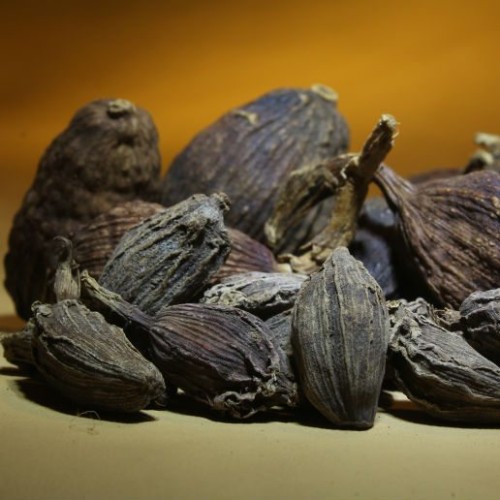
This isn’t the sweet, floral green cardamom most are used to—Black Cardamom is its smokier, deeper, more mysterious sibling. Sourced from the sub-Himalayan regions of Nepal, this oil is steam distilled from the crushed seeds of a perennial plant in the ginger family. Its scent is bold, resinous, and slightly camphoraceous, with grounding spice and a wisp of earthy fire.
Stillpoint’s Black Cardamom holds the energy of ancient mountain medicine—warming, protective, and clarifying. It’s been used across Nepal and Northern India for centuries, not only as a spice but as a remedy for cold lungs, stagnant digestion, and emotional heaviness. Known as “greater cardamom,” this variety is rarer in aromatherapy but incredibly valuable—especially when deep clearing and warming energy is needed.
Therapeutic Applications
Respiratory Support:
Black Cardamom is renowned for its ability to clear the airways and support deep breathing. The presence of 1,8 cineole makes it a natural expectorant, helping to loosen mucus, ease congestion, and promote clearer breathing. It’s especially effective when used in chest rubs, diffusions, or inhalers for those suffering from cold, cough, or sinus congestion. It’s also helpful for seasonal respiratory discomfort or when emotional congestion feels “stuck” in the chest.
Black Cardamom is renowned for its ability to clear the airways and support deep breathing. The presence of 1,8 cineole makes it a natural expectorant, helping to loosen mucus, ease congestion, and promote clearer breathing. It’s especially effective when used in chest rubs, diffusions, or inhalers for those suffering from cold, cough, or sinus congestion. It’s also helpful for seasonal respiratory discomfort or when emotional congestion feels “stuck” in the chest.
Digestive Health:
Cardamom has long been used as a stimulant and stomachic in traditional medicine. Black Cardamom’s warming and carminative properties make it an excellent oil for digestive support. It may help with bloating, gas, indigestion, and nausea by stimulating digestive flow and soothing the stomach. It is also used for relieving symptoms of nausea that stem from stress or emotional blockages in the gut.
Cardamom has long been used as a stimulant and stomachic in traditional medicine. Black Cardamom’s warming and carminative properties make it an excellent oil for digestive support. It may help with bloating, gas, indigestion, and nausea by stimulating digestive flow and soothing the stomach. It is also used for relieving symptoms of nausea that stem from stress or emotional blockages in the gut.
Anti-inflammatory and Pain Relief:
The anti-inflammatory properties of Black Cardamom make it an ideal addition to topical blends for sore muscles, joint discomfort, and tension. Its warming sensation helps to relax tight muscles and support circulation in areas where there is stagnation or inflammation. It’s also effective for headaches and migraine relief when applied to the temples or diffused for its calming effects.
The anti-inflammatory properties of Black Cardamom make it an ideal addition to topical blends for sore muscles, joint discomfort, and tension. Its warming sensation helps to relax tight muscles and support circulation in areas where there is stagnation or inflammation. It’s also effective for headaches and migraine relief when applied to the temples or diffused for its calming effects.
Mouth Freshener and Throat Support:
True to its historical use, Black Cardamom is commonly used to soothe sore throats and freshen the breath. The oil’s antiseptic, antibacterial, and astringent qualities help to reduce inflammation and discomfort in the throat, and it can be used in gargles or throat sprays for relief from irritation, hoarseness, and infections like laryngitis or pharyngitis.
True to its historical use, Black Cardamom is commonly used to soothe sore throats and freshen the breath. The oil’s antiseptic, antibacterial, and astringent qualities help to reduce inflammation and discomfort in the throat, and it can be used in gargles or throat sprays for relief from irritation, hoarseness, and infections like laryngitis or pharyngitis.
Emotional and Energetic Support:
The oil’s grounding, spicy, resinous aroma helps to clear stagnant emotional energy, especially in the solar plexus and throat chakra. It can assist with releasing emotional congestion and stagnation, supporting those who feel trapped in patterns of grief, anxiety, or anger. It encourages confidence, mental clarity, and emotional resilience, especially in times of stress or physical overwhelm.
The oil’s grounding, spicy, resinous aroma helps to clear stagnant emotional energy, especially in the solar plexus and throat chakra. It can assist with releasing emotional congestion and stagnation, supporting those who feel trapped in patterns of grief, anxiety, or anger. It encourages confidence, mental clarity, and emotional resilience, especially in times of stress or physical overwhelm.
Traditional Use
Black Cardamom has been used for centuries in the traditional healing systems of Nepal, India, and Tibet, where it’s known not just as a spice, but as a warming remedy—clearing, stimulating, and protective. In Ayurveda, it’s called Brihad Elaichi (“greater cardamom”) and is revered for its ability to ignite digestive fire (Agni), support the lungs, and act as a natural purifier of the body and mind.
Lungs and Breath:
In mountain and village traditions, black cardamom pods were crushed and simmered into teas or decoctions to treat coughs, congestion, cold air exposure, and sore throats. Inhaling its vapor or chewing the seeds was said to open the lungs and protect against respiratory weakness, especially during cold seasons or illness.
Digestive Vitality:
Used as a digestive stimulant and carminative, Black Cardamom was added to food and tonics to ease gas, bloating, and sluggish digestion. It was often combined with ginger or cumin to relieve nausea and abdominal pain and to support appetite and elimination—especially in those recovering from illness or emotional depletion.
Mouth and Throat Care:
Historically used as a mouth freshener, the seeds were chewed to cleanse the breath, soothe dry mouth, and reduce throat irritation. Its antiseptic nature also made it helpful in oral hygiene, gum inflammation, and throat cleansing rituals.
Spiritual & Energetic Use:
In Himalayan and Tibetan traditions, Black Cardamom’s smoky, grounding scent was used to ward off negative energy, settle anxiety, and invoke clarity during prayer or meditation. It was burned in resin and herb mixtures for ritual purification, especially during periods of grief, transition, or illness. The seeds were believed to strengthen inner fire and drive out cold, fear, or spiritual fog.
This oil carries the memory of fires lit in cold temples, hearths where breath was medicine, and hands that knew how to listen to the body through the land.
Botany
Black Cardamom (Amomum subulatum) is a tall, perennial herbaceous plant in the Zingiberaceae (ginger) family. Native to the eastern Himalayas and sub-Himalayan forests of Nepal, Bhutan, and Northeast India, it thrives in cool, shaded, and humid environments at elevations between 3,000 and 7,000 feet.
Unlike green cardamom (Elettaria cardamomum), black cardamom is larger, darker, and smokier, with a more intense aromatic profile. The oil is extracted from the crushed seeds inside its dried fruit pods, which develop at the base of leafy shoots on underground rhizomes.
Botanical Name: Amomum subulatum
Family: Zingiberaceae
Common Names: Black Cardamom, Greater Cardamom, Nepal Cardamom, Badi Elaichi
Plant Type: Perennial, herbaceous rhizome
Part Used: Seeds (steam distilled from dried pods)
Common Names: Black Cardamom, Greater Cardamom, Nepal Cardamom, Badi Elaichi
Plant Type: Perennial, herbaceous rhizome
Part Used: Seeds (steam distilled from dried pods)
Physical Characteristics
-
Height: Grows 5 to 8 feet tall
-
Leaves: Long, lance-shaped, bright green leaves that emerge from the rhizome base
-
Flowers: Pale pink to white with purple markings; borne close to the ground
-
Fruit: Oval, dark brown to black pods with a tough outer shell and aromatic seeds inside
-
Aroma: Smoky, spicy, camphoraceous, and resinous
Native Habitat and Growth Conditions
-
Native Region: Nepal, Sikkim, Bhutan, and northern India
-
Preferred Environment: Moist, well-drained forest soils with shade and high humidity
-
Elevation Range: 1,000–2,200 meters (3,300–7,200 feet)
-
Ecological Note: Often grown as an understory crop in forested plantations; requires protection from direct sun and strong wind
