Personal Use
-
Relaxation and Stress Relief: Amyris essential oil is often used in aromatherapy for its calming and soothing properties. Its aroma may help reduce feelings of stress and promote a sense of relaxation.
-
Sleep Aid: Amyris oil's calming properties also make it potentially beneficial for improving sleep. It can be used in a diffuser in the bedroom before sleep or incorporated into a relaxing bedtime routine.
-
Skin Care: Amyris essential oil is sometimes used in skin care products due to its potential moisturizing properties. It might be beneficial for dry or mature skin. Always remember to dilute it in a carrier oil before applying to the skin.
-
Perfumery: While not exactly a therapeutic use, Amyris oil is often used as a natural fragrance in perfumes due to its rich, woody aroma. It's also used as a more affordable substitute for true Sandalwood oil.
-
Meditation Aid: The grounding and calming scent of Amyris can be helpful during meditation or yoga practices, promoting a sense of peace and tranquility.
-
Insect Repellent: Amyris oil is often used as a natural insect repellent, keeping mosquitoes and other insects at bay.
Traditional Use
-
Lamp Oil: The amyris tree is also known as the "candlewood" tree because of its high oil content. Historically, the wood of the tree was used as a natural torch or lamp oil due to its burnability.
-
Perfumery: Amyris oil has been used in the perfume industry due to its sweet, warm, and woody aroma. It is often used as an affordable alternative to true sandalwood oil.
-
Stress reduction amyris essential oil has been traditionally used to promote relaxation and reduce stress. Its calming scent is believed to help improve sleep quality and create a soothing environment..
-
Insect Repellent: Amyris oil has been traditionally used as a natural insect repellent, warding off mosquitoes and other insects.
-
Medicinal Uses: While scientific research is limited, traditional uses of Amyris balsamifera in folk medicine include treating coughs, improving digestion, and alleviating general aches and pains.
Botany
Amyris balsamifera is the botanical name of the plant more commonly known as Amyris, or West Indian Sandalwood. This species is part of the Rutaceae family, which also includes citrus fruits and rue. Here's a brief overview of the botany of Amyris:
-
Habitat: Amyris balsamifera is native to the Caribbean, particularly Haiti and the Dominican Republic, as well as Central America. It thrives in tropical climates and is often found in coastal and lower mountainous regions.
-
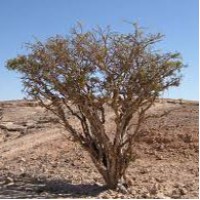
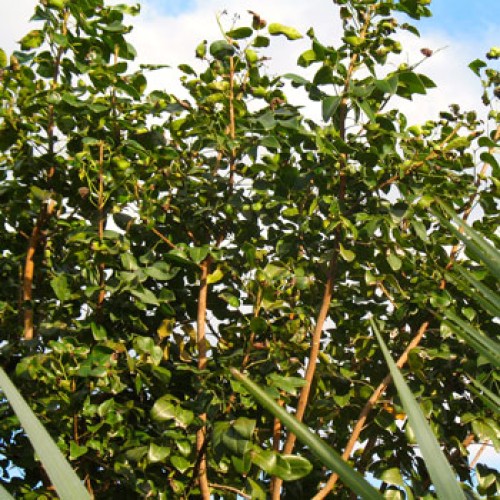
Morphology: The Amyris tree is a shrub or small tree that usually grows to about 18 feet (6 meters) tall, although it can occasionally reach heights of up to 60 feet (20 meters). It has compound leaves and small white flowers. The bark is light-colored and slightly rough.
-
Wood and Resin: Amyris wood is dense and high in oil content, which led to its historical use as a torchwood. When the wood or bark is injured, it secretes a type of resin. This resin, as well as the wood and branches of the tree, are steam distilled to produce amyris essential oil.
-
Fruit and Seeds: The tree produces small, round fruits that contain seeds. These seeds can be used for propagation of the plant.
-
Cultivation and Harvesting: Amyris trees are relatively hardy and resistant to harsh conditions, including poor soil quality. The trees can be propagated by seeds, and the wood and resin used to make the essential oil are typically harvested from mature trees.