
Every order ships USPS Priority — $10.95 flat-rate USPS Priority shipping on all US orders, no minimum. Free shipping on domestic orders over $299.
Welcome to Stillpoint. Subscribe to our newsletter for sale details and new-product news · One discount code per order · Every order is hand-poured, packed with care in ceremony, and shipped as we receive it.

Lavender Maillette Essential Oil | Small-Batch Special Distillation

Lavandula angustifolia maillet

  • Lavender Maillette Essential Oil | Small-Batch Special Distillation

Average Rating: (see reviews)

$13.00 Ex Tax: $13.00
GC/MS Report
Current: Not Provided

GC/MS Report

Batch: lav-mal2018 (Not Provided)

Gas Chromatography Analysis (%)

Monoterpenes

cis-β-ocimene 1.04
trans-β-ocimene 0.98
myrcene 0.70
camphene 0.32
d-limonene 0.25
para-cymene 0.16
δ-3-carene 0.15
terpinolene 0.14
α-pinene 0.11
m-cymene 0.09
β-pinene 0.05
allo-ocimene 0.05
tricyclene 0.03
β-phellandrene 0.01

Monoterpenols

linalol 49.34
α-terpineol 2.10
borneol 1.40
hotrienol 0.27
1-octen-3-ol 0.27
terpinen-4-ol 0.25
nerol 0.13

Sesquiterpenols

3-octanol 0.23

Sesquiterpenes

β-caryophyllene 2.86
trans alpha bergamotene 0.14
germacrene D 0.08
α-humulene 0.07
trans-beta-bergamotene 0.05
α-cis-bergamotene 0.04
isocaryophyllene 0.04
trans-β-farnesene 0.03
γ-cadinene 0.03

Esters

linalyl acetate 27.16
geranyl acetate 1.95
neryl acetate 0.97
1-Octen-3-yl acetate 0.89
hexyl-butanoate 0.63
hexyl acetate 0.40
lavandulyl acetate 0.30
3-Octanol acetate 0.12
Hexyl hexanoate 0.12
Butyl butanoate 0.10
Bornyl formate 0.08
bornyl acetate 0.07
Linalyl formate 0.04
Hexyl 2-methyl butanoate 0.03

Ketones

3-octanone 2.00
camphor 0.58

Oxides

caryophyllene oxide 0.91
1,8-cineole 0.10
Nerol oxide 0.04
cis-Linalool oxide (furanoid) 0.03

Other

coumarin 0.06

Essential Facts

  • Latin Name: Lavandula angustifolia maillet
  • Country of Origin: Austria
  • Botanical Family: Lamiaceae
  • Plant Parts: Flowers
  • Note Classification: Top/Middle
  • Cultivation Method: Distiller is Certified Organic
  • Method of Extraction: Steam or Hydro Distillation
  • Extraction Date: June 2025
  • Approx. Shelf Life: 6-7 years
  • Chemical Family: Esters, Monoterpenols
  • Batch: lavmal
  • Aroma: Floral, Fresh, Herbaceous, Slightly sweet, Soft
  • Energetic Applications: 2nd Chakra - relationships, creation energy, 6th Chakra - perspective, 7th Chakra - higher information, Balancing, Clarity, Expansive, Introspective, Protective, Purifying
  • Therapeutic Properties: Analgesic, Anti-anxiety, Anti-convulsant, Anti-depressant, Anti-fungal, Anti-inflammatory, Anti-microbial, Anti-oxidant, Anti-spasmodic, Anti-viral, Calming, CNS depressant, Deodorant, Hypotensive, Immuno-stimulant, Sedative, Wound healing
Notes & Use

Personal Use

Lavender Maillette Essential Oil
Lavandula angustifolia ‘Maillette’

Floral | Herbaceous | Quietly Restorative
Small-Batch Distillation for Stillpoint

Lavender Maillette is not generic lavender.
And honestly, lavender needs that said out loud.

Lavender is one of the most overused and under-respected essential oils in the world. It has been shoved into fake fragrance products, laundry soap, candles, plug-ins, lotions, and every pretend “relaxing” thing imaginable until people forget what real lavender actually is.

Real Lavandula angustifolia is not fake purple comfort.
It is serious plant medicine.

Lavender Maillette is a fine true lavender cultivar with a soft floral-herbaceous aroma and a dry, elegant facet that keeps it from becoming overly sweet or powdery. It has the familiar calm of true lavender, but with more refinement, more clarity, and a beautiful aromatic balance between softness and structure.

This particular Lavender Maillette is a small-batch distillation made especially for Stillpoint, and that matters. Lavender changes with soil, altitude, climate, harvest, distiller, and place. The chemistry may only shift slightly from country to country within true lavender, but the energetic signature can feel very different. The land leaves its fingerprint. The distiller leaves their care. The plant carries the energy of where it grew.

That is not marketing fluff. That is aromatic reality.

Lavender Maillette is one of those oils that reminds us why lavender became beloved in the first place. Not because it smells “pretty,” but because it knows how to meet the nervous system, the skin, the breath, the heart, and the places in the body where tension has forgotten how to let go.

I often think of true lavender as a Bridge Oil. It blends beautifully with almost everything, but more than that, it helps connect oils that might otherwise feel unrelated. It softens sharp edges, brings harmony into a formula, and helps the blend make sense. Lavender does this physically, aromatically, emotionally, and energetically.

This oil is for the exhausted nervous system.
For stress held in the body.
For sleep that will not come easily.
For skin that needs comfort.
For wounds, burns, headaches, emotional overload, and the places where the system needs help returning to center.

Lavender Maillette does not knock you out.
It reminds the body that peace is still possible.

Therapeutic Applications
Nervous System Support + Stress Relief
  • Lavender Maillette may support the nervous system during stress, tension, emotional overload, anxiety-like states, and general nervous exhaustion.
  • True lavender is widely valued for its calming, soothing, and balancing effects.
  • It may be useful when someone feels:
    • Overstimulated
    • Emotionally tense
    • Restless
    • Irritable
    • Mentally overactive
    • Unable to settle
    • Worn thin by stress
  • Lavender’s calming qualities are largely associated with constituents such as linalool and linalyl acetate, which help give true lavender its relaxing, nervous-system-supportive profile.
  • Lavender Maillette is especially useful when the system does not need to be forced into stillness, but gently invited back into itself.
Sleep + Rest Support
  • Lavender is one of the classic essential oils used to support sleep, rest, and relaxation.
  • Lavender Maillette may be helpful in:
    • Bedtime blends
    • Bath blends
    • Pillow sprays
    • Diffuser blends
    • Personal inhalers
    • Evening body oils
    • Restorative massage blends
  • Inhalation of true lavender has been associated with relaxation, sedation, improved sleep quality, and deeper rest.
  • This is not “spiritual chloroform.”
  • Lavender does not drag the body into sleep.
  • It helps the nervous system stop clenching long enough for rest to become possible.
Pain + Tension Support
  • Lavender Maillette may be useful in blends for discomfort, tension, and stress-related pain patterns.
  • Lavender has traditionally been used for:
    • Headaches
    • Muscle tension
    • Nervous-system-related pain
    • Post-stress body holding
    • General aches connected to tension
    • Pain and anxiety support in recovery settings
  • Clinical studies have explored lavender’s role in reducing pain and anxiety, especially in situations where the nervous system and physical discomfort are closely linked.
  • This makes Lavender Maillette especially useful where pain is not just mechanical, but tied to stress, fear, bracing, or emotional overload.
Headache Support
  • Lavender has a long history of use in headache blends, especially when the headache is connected to tension, stress, exhaustion, or overstimulation.
  • Lavender Maillette may be useful in:
    • Temple oils at very low dilution
    • Neck and shoulder massage blends
    • Personal inhalers
    • Resting-room diffuser blends
    • Cooling compress blends
  • Its calming and lightly analgesic qualities make it a beautiful support when the head feels tight, the mind feels overloaded, and the body needs quiet.
  • Use carefully around the eyes and avoid applying essential oils too close to the face.
Skin Comfort + Wound Support
  • True lavender is traditionally valued for skin comfort, wound support, burns, minor skin irritation, and early-stage skin repair.
  • Lavender Maillette may be useful in properly diluted topical blends for:
    • Minor burns
    • Scrapes
    • Irritated skin
    • Blemishes
    • Skin redness
    • Minor wounds
    • General skin comfort
    • Post-sun skin support, when properly formulated
  • True lavender is especially loved because it supports the skin while also calming the person inside the skin.
  • That matters.
  • Skin healing is not only tissue repair. The nervous system is always in the room.
Respiratory Ease + Inflammatory Support
  • Lavender Maillette may support respiratory comfort when stress, tension, inflammation, or irritation are part of the pattern.
  • Lavender has been studied for anti-inflammatory activity and has been explored in relation to respiratory complaints, including asthma-related inflammation.
  • It may be useful in gentle respiratory blends when someone needs:
    • Calmer breathing
    • Less respiratory tension
    • Softer chest support
    • Emotional ease around breathing
    • A non-aggressive respiratory oil
  • Lavender is not Eucalyptus.
  • It does not blast the airways open.
  • It softens, calms, and helps the breath feel less guarded.
Emotional Balance + Mood Support
  • Lavender Maillette may support emotional balance during anxiety-like states, low mood, emotional fatigue, grief tenderness, and nervous-system overload.
  • It is especially helpful when someone feels:
    • Frayed
    • Sad
    • Depleted
    • Emotionally raw
    • Overwhelmed
    • Unable to settle
    • Tired but still wired
  • Lavender does not erase pain or pretend life is peaceful when it is not.
  • It helps the system come back from the edge.
  • This is why real lavender is not basic. Real lavender is profound when you stop treating it like a fake candle scent.
Bridge Oil + Formulation Support
  • Lavender Maillette is a beautiful Bridge Oil in aromatic formulation.
  • It can help connect oils that might otherwise feel difficult to blend together.
  • It may soften:
    • Sharp citrus oils
    • Strong medicinal oils
    • Heavy resins
    • Intense florals
    • Camphoraceous oils
    • Herbaceous or spicy notes
  • In a blend, Lavender can bring:
    • Harmony
    • Softness
    • Integration
    • Skin comfort
    • Nervous system ease
    • Emotional coherence
  • This is one of Lavender’s great gifts.
  • It helps the formula find its center.

Traditional Use

Nervous System | Skin + Wounds | Rest + Digestive Ease

Lavender Maillette is a cultivar of true lavender, Lavandula angustifolia, so its traditional plant use belongs to the long herbal lineage of true lavender: flowers, flowering tops, infused oils, teas, baths, compresses, sachets, waters, and aromatic preparations used to calm the nerves, comfort the skin, support rest, ease tension, and bring cleanliness and sweetness into the home.

Maillette itself is a cultivated type, so the old traditional uses belong to the broader true lavender plant rather than this cultivar alone. That distinction matters. We are honoring the plant without pretending medieval herbalists were out there saying, “Ah yes, the Maillette cultivar.” They were not. But they absolutely knew lavender.

Nervous System + Restlessness
  • Lavender has a long traditional history as a calming herb for nervous tension, restlessness, stress, and sleeplessness.
  • Traditional uses include:
    • Restlessness
    • Nervous tension
    • Trouble sleeping
    • Emotional agitation
    • Stress-related exhaustion
    • Nervous palpitations
    • General “frayed edges” of the system
  • The dried flowers and flowering tops were used in teas, baths, sachets, pillows, and aromatic waters to help settle the body and spirit.
  • The German Commission E monograph includes lavender flower among traditional herbal preparations for restlessness, insomnia, and nervous digestive discomfort.
  • This is one reason true lavender became such a household medicine: it does not only smell beautiful. It helps the human animal come down from the ledge.
Sleep + Bedtime Use
  • Lavender has been traditionally used in sleep pillows, sachets, baths, and evening teas to support rest.
  • Traditional preparations include:
    • Dried lavender pillows
    • Linen sachets
    • Bedside bundles
    • Lavender tea
    • Lavender baths
    • Aromatic waters
    • Infused oils for evening massage
  • Lavender was often placed with linens or near the bed because its scent was associated with cleanliness, calm, and sleep.
  • Modern reviews continue to discuss lavender’s long-standing use for relaxation, sedation, and sleep support, especially through inhalation and aromatic exposure.
  • This is not about knocking the body unconscious. Lavender’s traditional sleep medicine is gentler than that: quiet the field, soften the nerves, and let rest become possible.
Skin, Burns + Wound Care
  • Lavender has a strong traditional relationship with skin care, burns, minor wounds, and irritated tissue.
  • Traditional uses include:
    • Minor burns
    • Cuts
    • Scrapes
    • Insect bites
    • Skin irritation
    • Wound washing
    • Compresses
    • Infused oils and salves
  • Lavender flowers and preparations were used in washes, compresses, and topical applications where the skin needed comfort and tending.
  • Historical and herbal sources describe lavender as a folk remedy used for insect bites, burns, cleaning wounds, and skin support. 
  • This is one of the reasons real true lavender should never be reduced to “relaxing purple smell.” Lavender is skin medicine, nervous system medicine, and household medicine all in one.
Headaches, Tension + Pain
  • Lavender has been traditionally used for headaches, tension, soreness, and pain patterns connected to stress.
  • Traditional uses include:
    • Headaches
    • Tension headaches
    • Sore joints
    • Toothache
    • Muscle tension
    • Nervous pain
    • Stress-related body discomfort
  • Lavender preparations were used externally in compresses, infused oils, and aromatic applications, and internally as herbal preparations depending on the tradition and context.
  • Historical lavender references include traditional medicinal use for headaches, nervous palpitations, toothaches, sore joints, colic, coughs, and digestive rumbling. 
  • This is where Lavender Maillette’s quiet elegance becomes useful: it does not attack pain. It softens the nervous system around it.
Digestive Discomfort Linked to Stress
  • Lavender has been used traditionally when digestion was affected by nervous tension.
  • Traditional uses include:
    • Nervous stomach
    • Gas
    • Colic
    • Digestive rumbling
    • Stress-related digestive discomfort
    • Tightness in the belly connected to anxiety or agitation
  • Lavender flower was traditionally used as tea or herbal preparation when the stomach and nerves were talking to each other — which, let’s be honest, they usually are.
  • Commission E includes lavender flower in traditional herbal contexts for restlessness and functional digestive discomfort, including nervous intestinal complaints.
  • Lavender’s traditional digestive use is not fiery like Ginger or bitter like Gentian. It works more through relaxation, softening, and helping the belly unclench.
Respiratory + Chest Comfort
  • Lavender has also been traditionally used for coughs, hoarseness, and respiratory discomfort.
  • Traditional uses include:
    • Coughs
    • Hoarseness
    • Chest tightness related to tension
    • Respiratory discomfort
    • Steam or aromatic preparations
    • Baths and rubs during cold-season discomfort
  • Lavender is not a hard-hitting respiratory oil like Eucalyptus or Rosemary.
  • Its plant medicine is softer: calm the nervous system, reduce tension around the breath, and support comfort when the chest feels tight or irritated.
  • Traditional historical references include lavender use for hoarseness, coughs, and related discomforts. 
Bathing, Washing + Cleanliness
  • Lavender’s name is often connected with washing, bathing, and cleansing traditions.
  • The word “lavender” is commonly linked to the Latin lavare, meaning “to wash,” reflecting its long association with baths, scented waters, and clean linens. 
  • Traditional uses include:
    • Bathing herbs
    • Scented waters
    • Linen sachets
    • Laundry fragrance
    • Household freshness
    • Body fragrance
    • Cleansing rituals
  • This is part of Lavender’s deep medicine: it cleanses without becoming harsh.
  • It belongs to the bath, the sickroom, the linen drawer, the wound wash, the bedroom, and the altar.
Household Use + Linen Medicine
  • Lavender was traditionally used in sachets, potpourri, dried bundles, and linen storage.
  • Household uses include:
    • Freshening linens
    • Scenting clothing
    • Keeping stored garments pleasant
    • Supporting sleep through pillow sachets
    • Potpourri and room fragrance
    • Wedding and household blessing traditions
    • Helping deter moths and insects in stored fabrics
  • Dried lavender flowers have long been placed among linens and clothing for fragrance and insect-deterring purposes. 
  • This is not glamorous medicine, but it is real medicine: the bed smells clean, the room feels calmer, the clothes carry sweetness, and the nervous system gets a little less assaulted by the world.
Culinary + Tea Use
  • True lavender, Lavandula angustifolia, has also been used in culinary preparations, especially in small amounts.
  • Traditional and household uses include:
    • Teas
    • Syrups
    • Vinegars
    • Honey
    • Baked goods
    • Herb blends
    • Flower sugars
    • Dessert flavoring
  • Culinary lavender is most often associated with English lavender / true lavender types, used carefully because the flavor can become soapy if overdone. 
  • In plant terms, this matters because lavender was not only a perfume plant. It crossed boundaries: medicine cabinet, kitchen, bath, garden, bedroom, and sacred space.
Emotional + Spiritual Benefits
  • Traditionally, lavender has been associated with peace, purity, calm, protection, love, and emotional soothing.
  • Its emotional benefits come through its practical uses:
    • Calming the nervous system
    • Supporting sleep
    • Softening grief and agitation
    • Comforting the body after stress
    • Freshening the home
    • Bringing sweetness to linens, baths, and sickrooms
  • Lavender has been used throughout history as a folk remedy, cosmetic water, linen scent, and plant for soothing the “fractious spirit.” 
  • That phrase matters because it points to what lavender has always known: sometimes the spirit gets sharp, tired, and hard to live inside.
  • Lavender helps soften the edges.
Lavender Maillette carries this old true lavender medicine in a refined, small-batch form: nervous system support, rest, skin comfort, wound tending, headache ease, gentle digestive support, clean linens, soft baths, and the quiet return of peace to the body.

Botany

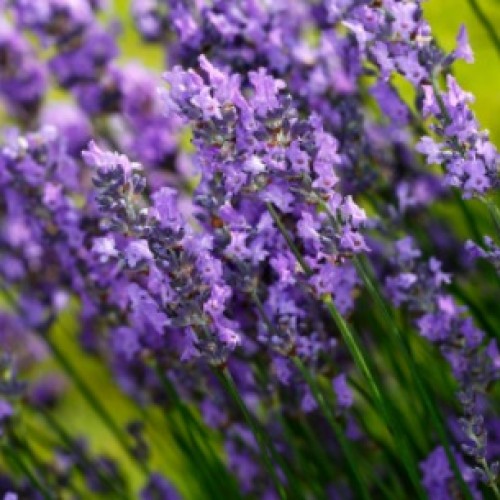
Maillette’, commonly known as Lavender Maillette, is a cultivated form of true lavender in the Lamiaceae family. True lavender is native to the Mediterranean region and has been grown for centuries for its fragrant flowering tops, soothing herbal preparations, perfumery, distillation, and traditional household use.

Lavender Maillette is a fine lavender type known for its floral, herbaceous aroma with a dry facet. The essential oil is steam distilled from the flowering tops. This small-batch distillation for Stillpoint carries the classic true lavender profile, but with its own place-based signature — shaped by the soil, climate, harvest timing, distiller, and the living field where it was grown.

Botanical Profile
  • Botanical Name: Lavandula angustifolia ‘Maillette’
  • Family: Lamiaceae
  • Common Names: Lavender Maillette, Maillette Lavender, True Lavender, Fine Lavender
  • Plant Type: Aromatic perennial subshrub
  • Part Used for Distillation: Flowering tops
  • Growth Habit: Compact, woody-based, branching subshrub with upright flowering stems and narrow aromatic leaves
  • Height: Usually about 1–3 feet tall, depending on growing conditions, pruning, climate, and field management
  • Flowering Season: Late spring through summer, depending on region, altitude, and climate
  • Harvest Time for Distillation: Flowering tops are typically harvested when the flowers are in bloom and the aromatic compounds are well developed
Physical Characteristics
  • Leaves: Narrow, linear to lance-shaped leaves; gray-green to silvery-green; highly aromatic when brushed or crushed
  • Stems: Woody at the base with slender green flowering stems rising above the foliage
  • Flowers: Small tubular purple to violet-blue flowers arranged in terminal spikes
  • Flowering Tops: The aromatic flowering spikes are the primary plant part used for distillation
  • Aroma: Floral, herbaceous, soft, sweet, slightly dry, clean, and deeply recognizable as true lavender
  • Overall Form: Compact, orderly, sun-loving, and highly aromatic, with a refined flowering structure
Native Habitat + Growth Conditions
  • Native To: True lavender is native to the Mediterranean region, especially dry, sunny, rocky areas of southern Europe
  • Preferred Soil: Well-drained, sandy, rocky, or calcareous soils; does not like heavy, waterlogged soil
  • Sunlight: Full sun
  • Climate: Dry, sunny, temperate to Mediterranean climates
  • Water Needs: Low to moderate once established; prefers good drainage and air flow
  • Ecological Notes: Lavender supports pollinators, especially bees, and thrives in exposed, sunlit conditions where many softer plants would struggle
Energetic Botanical Signature
Lavender Maillette teaches through order, light, and aromatic softness held on woody stems. It is not a sprawling, watery, chaotic plant. It grows with structure — compact, upright, sun-loving, and rooted in dry ground. Its medicine rises through narrow leaves and flowering spikes, offering calm without collapse and softness without weakness.

This is the doctrine of true lavender: peace requires structure. Lavender does not become soothing because it is fragile. It becomes soothing because it knows how to hold form, gather light, survive dry places, and still offer fragrance, nectar, and comfort. Lavender Maillette carries the teaching that gentleness is not the absence of strength. It is strength refined enough to become peace.
Energetics

Energetic Properties

Gentle Strength • Emotional Balance • Sacred Softening

Lavender Maillette is an oil of gentle strength.

Not weak. Not passive. Not “sweet little lavender” in a fake purple bottle. Real true lavender has backbone. It is soft, yes — but soft in the way an elder can be soft. Wise. Formidable. Clear. Kind without being flimsy.

Valerie Ann Worwood has referred to Lavender as the grandmother of oils, and that feels right. Lavender has that grandmother medicine: steady hands, deep knowing, no need to prove itself, and the ability to calm a room without dominating it.

Lavender Maillette carries this with a refined, small-batch grace. It is floral and herbaceous with a dry facet, so it does not become syrupy or sentimental. It has tenderness, but it also has structure. It can hold the nervous system, quiet the mind, soften the emotional body, and smooth the jagged places in the field.

This oil is like a warm hand on the back.

It helps reduce frustration, irritability, anger, overstimulation, and emotional static so something new can actually come in. Not because Lavender shuts you down, but because it helps the mind stop clenching around the same damn loop.

Lavender Maillette is deeply balancing. It supports the psyche when the inner field feels scattered, frayed, overheated, or emotionally bruised. It helps bring the system back toward center — not by forcing peace, but by creating the conditions where peace can return.

She says:
Come back to yourself.
Soften the edges.
You are safe enough to exhale.
You do not have to fight every moment.

Energetic Themes
  • Supports emotional balance when the system feels scattered, reactive, or overwhelmed
  • Helps calm frustration, irritability, anger, and emotional agitation
  • Softens nervous tension and stress-related holding
  • Encourages the mind to quiet so new information, perspective, or insight can come in
  • Supports rest, sleep, and emotional decompression
  • Helps soothe the auric field when the energy feels ragged, overstimulated, or “too exposed”
  • Brings warmth, comfort, and a sense of emotional safety
  • Supports the release of stress without forcing emotional catharsis
  • Helps restore harmony between the emotional body, nervous system, and physical body
  • Encourages gentleness without collapse
  • Supports peaceful transitions, bedtime rituals, grief tenderness, and recovery after stress
  • Acts as a Bridge Oil energetically, helping integrate different parts of the self back into coherence
Chakra Connections

Crown Chakra
Lavender Maillette has a soft relationship with the crown chakra, especially when the mind is overstimulated and the spirit feels disconnected from peace.
  • Supports quiet spiritual connection without forcing intensity
  • Helps soften mental overactivity before prayer, meditation, or rest
  • Encourages a feeling of gentle guidance and inner spaciousness
  • Supports trust when the nervous system is too tense to receive
  • Helps calm the top of the field when thoughts feel loud, crowded, or relentless
  • Encourages surrender without bypassing the body
Lavender Maillette does not blast the crown open. It helps the mind bow gently enough for grace to enter.

Third Eye Chakra
Lavender Maillette supports the third eye by quieting mental noise and helping the mind become more receptive.
  • Helps reduce mental looping and overthinking
  • Supports clear perception when stress has made everything feel distorted
  • Encourages calm focus without forcing concentration
  • Helps soften frustration so new information can be received
  • Supports intuitive listening when the mind is too loud
  • Helps bring perspective when emotional reactivity has narrowed the view
Lavender does not always take you deeper into meditation in a dramatic way. Its gift is often more practical: it helps the mind stop arguing long enough to listen.

Throat Chakra
Lavender Maillette may support the throat chakra when irritation, frustration, or emotional tension has made communication sharp or constricted.
  • Helps soften reactive speech
  • Supports calmer self-expression
  • May assist when words are blocked by stress, anger, or overwhelm
  • Encourages truthful communication without harshness
  • Helps soothe the energetic throat when too much has been swallowed or snapped out
  • Supports peace-making conversations when the body needs to come down first
Lavender helps the throat remember that truth does not have to arrive with teeth.

Heart Chakra
Lavender Maillette has a beautiful affinity for the heart chakra because it offers warmth, security, and emotional soothing without drama.
  • Supports emotional balance and heart-centered calm
  • Helps soften grief, sadness, and tenderness without pushing the heart open
  • Encourages self-compassion during stress, exhaustion, or emotional bruising
  • Helps reduce irritability and defensiveness so connection can return
  • Supports the feeling of being held, comforted, and gently restored
  • Helps smooth the auric field around the heart when the emotional body feels raw
This is where Lavender’s grandmother medicine really shows up. Not as a rescue. As presence. As warmth. As that quiet, steady feeling of, “I’m here. Breathe.”

Solar Plexus Chakra
Lavender Maillette can support the solar plexus when stress, irritability, frustration, or emotional pressure has heated the system.
  • Helps calm reactive anger and internal pressure
  • Supports emotional regulation when control patterns get tight
  • Encourages confidence through calm rather than force
  • Helps soften the “I have to handle everything” pattern
  • Supports digestion of experience when the belly tightens from stress
  • Helps bring the will back into balance with the heart
Lavender does not weaken the solar plexus. It helps it stop acting like a clenched fist.

Sacral Chakra
Lavender Maillette supports the sacral chakra through emotional softening, flow, and comfort in the body.
  • Helps soften emotional rigidity
  • Supports ease when feelings feel too sharp or too much
  • Encourages gentle reconnection with pleasure, rest, and body comfort
  • Helps soothe stress held in the lower belly and pelvis
  • Supports emotional flow without flooding
  • Encourages tenderness toward the self when shame or tension has interrupted ease
Lavender’s sacral medicine is not wild sensual fire. It is warm water, clean sheets, soft breath, and the slow return of safety in the body.

Root Chakra
Lavender Maillette supports the root chakra by helping the body feel safe enough to settle.
  • Encourages grounding through calm
  • Supports sleep, rest, and nervous system downshifting
  • Helps reduce fear-based tension and bracing
  • Supports recovery after stress, shock, overstimulation, or exhaustion
  • Encourages the body to feel held rather than on guard
  • Helps restore a sense of basic peace and stability
Lavender does not root like Vetiver or Cedarwood. It roots through reassurance. Through softness. Through the feeling that the body can finally stop standing watch.

Spiritual Use
  • Useful before meditation, prayer, rest, or dreamwork when the mind needs to quiet
  • Supportive in rituals for peace, emotional balance, and nervous system repair
  • Helpful in bedtime rituals, bath rituals, and recovery practices after stress
  • Useful in heart-centered work when tenderness needs support without force
  • Supportive after conflict, irritability, or emotional overstimulation
  • Helpful in auric clearing when the field feels jagged, frayed, or too open
  • Useful in blends for grief tenderness, especially when the body needs comfort and rest
  • Supportive when someone needs to receive new insight but the mind is too tight to let anything in
  • Helpful as a spiritual Bridge Oil, connecting body, heart, mind, and spirit into a more coherent field
Energetic Cautions

Lavender is gentle, but gentle does not mean it is always the right oil for every moment.
  • Lavender can feel too soft when someone needs activation, courage, or strong movement
  • It may feel emotionally exposing if someone is not ready to soften
  • Some people dislike lavender because of overexposure to fake fragrance products, and that association matters
  • Use carefully with people who have scent-triggered headaches or strong fragrance aversions
  • Avoid assuming everyone experiences lavender as calming
  • With deep grief, Lavender may comfort the nervous system, but it should not be used to suppress real feeling
Lavender Maillette is not here to numb the truth.
It is here to make the truth easier to sit with.

This oil helps smooth the emotional body, quiet the mind, soften the aura, and bring the system back toward balance. It reminds us that gentleness can be powerful, softness can be protective, and peace is not weakness.
Lavender Maillette is grandmother medicine: wise, kind, steady, and not fooled by your bullshit.

Affirmation
I soften without disappearing. I allow my mind to quiet, my heart to settle, and my body to remember the safety of peace.

Traditional & Folklore

Lavender carries a long, tangled folklore trail — medicine, bathing, love, chastity, protection, sleep, kings, queens, plague houses, linen drawers, sickrooms, and spiritual cleansing.

For Lavender Maillette specifically, we need to be honest: Maillette is a modern cultivated form of true lavender, not an ancient variety used by the Greeks or Romans by that name. The old folklore belongs to the larger true lavender lineage, while Maillette carries that ancestral lavender current in a refined French cultivar form.

Maillette is described as a French field variety grown since the 1950s and used heavily in French lavender production, so its “folklore” is more Provence, perfumery, distillation, and cultivated lavender fields than ancient temple myth. 

Greek + Roman Lavender
  • Lavender was known in the ancient Mediterranean world, though historical references may sometimes involve different lavender species, especially Lavandula stoechas, rather than modern cultivated Lavandula angustifolia types.
  • Dioscorides, the Greek physician writing in the first century, discussed lavender-like plants medicinally, and later herbal history connects lavender with concerns of the chest, digestion, headache, and other complaints. 
  • The Romans are strongly associated with lavender through bathing, washing, perfuming, and scenting spaces.
  • Lavender’s name is often connected to the Latin lavare, meaning “to wash,” which reflects its long association with baths, cleanliness, and scented water. 
  • This gives lavender one of its deepest folklore signatures: purification through softness.
  • Not harsh cleansing.
  • Not scrubbing the soul raw.
  • Lavender cleanses like warm water, clean linen, and a quiet room after too much noise.
Aphrodite, Venus + Love
  • I would not make a direct historical claim that Lavender was sacred to Aphrodite unless we find a strong source for that specific connection.
  • Aphrodite’s classic plant symbols are more commonly myrtle, rose, apple, and other love/fertility symbols — not lavender as a primary sacred plant.
  • But lavender absolutely carries love folklore in European traditions.
  • In the Middle Ages, lavender was considered an herb of love and was used in aphrodisiac and romantic contexts. Some traditions also connected lavender water with chastity, which is wonderfully contradictory because humans are a mess and folklore tells on us. 
  • Lavender’s love magic has two faces:
    • Attraction and sweetness
    • Chastity and devotion
    • Sensuality and purity
    • Softening and restraint
  • That duality is very lavender.
  • It can soothe the body, soften the heart, scent the skin, calm the nerves, and still hold a thread of clarity and restraint.
  • Lavender is not lust-fire like Cinnamon or Jasmine.
  • It is love after the room gets quiet.
Protection + Evil Eye Folklore
  • Lavender has a strong place in European protection folklore.
  • Dried lavender was hung in homes, placed above doors, carried, burned, or bundled to help repel evil spirits, bad luck, illness, and the evil eye.
  • In some Iberian traditions, lavender was thrown into St. John’s Day fires for cleansing and protection. 
  • Traditional protective uses include:
    • Hanging lavender over thresholds
    • Placing lavender in sachets
    • Burning or scattering lavender for cleansing
    • Carrying lavender for protection
    • Using lavender in household blessing practices
    • Keeping lavender near beds or linens
  • This is where lavender becomes more than “relaxing.”
  • It becomes boundary medicine.
  • Soft, yes.
  • But not defenseless.
  • Lavender says: peace belongs here, and whatever disturbs that peace can get the hell out.
Medieval + Household Magic
  • In medieval and early modern Europe, lavender belonged to the home.
  • It was used in:
    • Sachets
    • Linen chests
    • Bathing herbs
    • Scented waters
    • Sleep pillows
    • Love charms
    • Protection bundles
    • Sickroom preparations
    • Household freshening
  • Lavender was associated with cleanliness, purity, devotion, constancy, luck, compassion, and love, though some Victorian flower-language traditions oddly assigned it “distrust.” Again, folklore is not tidy. 


  • This is part of lavender’s real magic: she lives in ordinary sacred places.
  • The bed.
  • The bath.
  • The drawer.
  • The sickroom.
  • The doorway.
  • The garden path.
  • Lavender does not need a golden throne. It has always known the altar can be a clean pillowcase.
Queens, Royal Use + English Lavender Lore
  • Lavender has long been associated with English household and royal use.
  • Queen Elizabeth I is often said to have loved lavender, using it as perfume and in tea, including for migraines. 
  • Lavender was also valued in Tudor and later household traditions for scenting linens, perfuming rooms, and supporting cleanliness.
  • During plague times, lavender was believed by some to help protect against illness or purify the air. 

  • Whether or not lavender could actually protect anyone from plague — no, we are not making that claim — the folklore tells us what people believed lavender could do:
    • Cleanse the air
    • Protect the body
    • Comfort fear
    • Sweeten the room
    • Bring order into chaos
    • Make unbearable conditions feel a little more human

French Lavender Fields + Maillette’s Cultivated Lineage
  • Lavender Maillette belongs to the French cultivated lavender story.
  • Maillette is a true lavender cultivar, not a wild ancient lavender type, and it has been grown as a French field variety since the mid-20th century. It became important in French Lavandula angustifolia essential oil production because of its cultivation qualities and oil yield. 
  • Biolandes notes that lavender distillation has been practiced for more than 150 years and that lavender oil played a major role in perfumery, especially in eaux de cologne
  • Maillette’s folklore is therefore not “ancient goddess plant.”
  • Its folklore is the modern sacred agriculture of Provence-style lavender:
    • Rows of purple flowers
    • Harvest timing
    • Distiller skill
    • Perfumery history
    • Small-batch aromatic devotion
    • The relationship between field, still, and finished oil

  • This is where your small-batch Stillpoint distillation matters.
  • Maillette is not generic lavender.
  • It carries the old lavender lineage through a particular cultivated body, a particular field, a particular distiller, and a particular moment in time.
Sleep, Dreams + Peaceful Spirit
  • Lavender has long been placed near the bed, tucked into pillows, stored with linens, and used in nighttime preparations.
  • Folkloric uses include:
    • Sleep sachets
    • Dream pillows
    • Bedside bundles
    • Linen scenting
    • Bathing before sleep
    • Calming the spirit before rest
  • Lavender’s sleep folklore is less about knocking someone unconscious and more about creating an atmosphere where the body feels safe enough to surrender.
  • That is spiritual work.
  • Sleep requires trust.
  • Lavender helps make the room feel trustworthy.
Purity, Devotion + Soft Power
  • Lavender’s symbolic meanings often include purity, devotion, love, constancy, calm, cleanliness, and protection. (Icy 
  • But this purity is not sterile.
  • It is not moralistic.
  • It is the purity of clear water, clean sheets, honest tears, and a nervous system that has finally stopped fighting itself.
  • Lavender Maillette carries this in a refined way.
  • It is floral, herbaceous, and slightly dry — soft without being mushy, elegant without being cold.
  • Its magic is not dramatic.
  • Its magic is coherence.
The Folklore Medicine

Lavender’s folklore is the story of peace with a spine.

It belongs to the Greeks and Romans through medicine, bathing, and fragrant cleansing. It belongs to medieval Europe through love charms, protection bundles, evil-eye folklore, sleep pillows, and household magic.

It belongs to queens and sickrooms, linen drawers and plague houses, gardens and perfumers, lovers and exhausted humans just trying to find one clean breath before bed.

Lavender Maillette carries that old lavender current through a modern French cultivated form — refined, floral, herbaceous, dry-edged, and beautifully suited to small-batch distillation.

It does not need to be loud.
It does not need to prove itself.

Lavender says:
Wash the body.
Quiet the mind.
Protect the threshold.
Sweeten the room.
Let peace come back in.
Chemistry

Chemical Components

Lavender Maillette essential oil has the classic true lavender chemistry that makes Lavandula angustifolia so useful for the nervous system, skin, sleep, pain, emotional balance, and formulation work.

It is not “just calming.” That is the lazy version of lavender.

True lavender is chemically elegant. It carries both softness and function — the relaxing ester quality of linalyl acetate, the gentle floral-herbaceous clarity of linalool, and smaller supporting constituents that help shape its skin-supportive, analgesic, anti-inflammatory, antispasmodic, and emotionally balancing profile.

Lavender Maillette is especially valued for its fine, floral-herbaceous aroma with a dry facet. It feels smooth, balanced, and refined — not harsh, not medicinal, not camphor-heavy. This is part of what separates true lavender from Spike Lavender and Lavandin. Spike Lavender tends to contain more camphor and 1,8-cineole. Lavandin can feel stronger, sharper, and more disinfectant-like. Lavender Maillette stays in the true lavender lane: soft, clear, nervous-system friendly, and beautifully versatile.

That is the chemistry of Lavender Maillette’s gift: calm without collapse, softness without weakness, and restoration without heaviness.

Main Chemical Families

Esters
  • Lavender Maillette is strongly shaped by esters, especially linalyl acetate.
  • Esters help give true lavender its soft, sweet, smooth, calming aromatic quality.
  • Linalyl acetate may support:
    • Nervous system calming
    • Relaxation
    • Sleep support
    • Emotional settling
    • Antispasmodic effects
    • Muscle and tension support
    • Stress-related discomfort
  • This is one of the reasons true lavender is so beloved for rest, massage, emotional balance, and bedtime blends.
  • Esters bring the “exhale” quality.
Energetically, linalyl acetate is the part of lavender that says: loosen your grip, my friend. You are allowed to come down from the ceiling.

Linalyl Acetate
  • Linalyl acetate is one of the signature constituents of true lavender.
  • It contributes to Lavender Maillette’s:
    • Soft floral aroma
    • Smooth drydown
    • Relaxing effect
    • Skin comfort
    • Emotional ease
    • Sleep-supportive profile
  • It helps make the oil feel less sharp and more round.
  • This constituent is part of why Lavender Maillette feels refined rather than loud.
  • It supports the body in unwinding without feeling sedated into oblivion.
This is not a hammer. This is a hand on the nervous system.

Monoterpene Alcohols
  • Lavender Maillette also contains monoterpene alcohols, especially linalool.
  • Linalool contributes a fresh, floral, herbaceous, slightly sweet aroma.
  • Linalool may support:
    • Nervous system relaxation
    • Mood balance
    • Skin comfort
    • Pain and tension support
    • Sleep and rest
    • Emotional steadiness
    • Antimicrobial-oriented skin care
  • Monoterpene alcohols are generally considered more skin-friendly than some sharper chemical families, though dilution still matters.
  • This is part of why true lavender is used so widely in skincare, wound support, massage, bath blends, and emotional formulas.
Energetically, linalool brings lavender’s steadying intelligence. It does not flatten the system. It helps the system remember balance.

Linalool
  • Linalool is another defining constituent of Lavender Maillette.
  • It helps explain lavender’s use for:
    • Stress
    • Anxiety-like tension
    • Sleep support
    • Restlessness
    • Headaches
    • Skin irritation
    • Minor wounds and burns
    • Pain linked to nervous system tension
  • In Lavender Maillette, linalool works with linalyl acetate to create that classic true lavender effect: calm, clear, soft, and useful as hell.
  • This is one of the reasons lavender can feel both emotionally tender and therapeutically practical.
Linalool is the part of lavender that meets the nerves, the skin, and the heart at the same table.

Monoterpenes
  • Lavender Maillette may contain smaller amounts of monoterpenes such as limonene, β-ocimene, and related trace constituents.
  • These lighter molecules help contribute to:
    • Freshness
    • Diffusion
    • Brightness
    • Aromatic lift
    • The clean herbaceous top note
  • They keep Lavender Maillette from feeling heavy or sleepy in a dull way.
  • The brightness matters.
  • This is why good true lavender can calm you while still feeling clean and alive.
Energetically, these lighter notes are the little window opening in the blend. Peace, but not a nap trap.

Lavandulyl Acetate + Lavandulol
  • True lavender may also contain characteristic lavender constituents such as lavandulyl acetate and lavandulol.
  • These are part of what gives true lavender its distinctive fine lavender signature.
  • They may contribute to:
    • The soft floral complexity
    • The refined lavender identity
    • The gentle fruity-herbaceous nuance
    • The elegant dry facet
    • The difference between true lavender and rougher lavender-like oils
  • These constituents are not always the major players, but they matter aromatically.
  • They help create the part of the scent that says, “This is real lavender. Not purple laundry detergent pretending to have a soul.”
Camphor + 1,8-Cineole — Usually Low in True Lavender
  • In true lavender, camphor and 1,8-cineole are usually present only in low amounts.
  • This is important because it helps distinguish Lavender Maillette from:
    • Spike Lavender
    • Lavandin
    • More medicinal/camphoraceous lavender types
  • Low camphor and low 1,8-cineole help make Lavender Maillette:
    • Softer
    • Less sharp
    • Less medicinal
    • More appropriate for calming blends
    • More skin and nervous-system friendly in feel
  • This is why true lavender is usually the preferred choice for emotional support, sleep, children’s blends when appropriate, skincare, burns, and nervous-system formulas.
Lavender Maillette does not come in with a camphor hammer. It comes in with a quiet hand and a very good plan.

Therapeutic Implications of This Chemistry'

Nervous system support:
  • The linalool and linalyl acetate profile supports Lavender Maillette’s use for stress, nervous tension, emotional overwhelm, restlessness, and anxiety-like states.
  • It may help the body shift out of bracing and into a calmer state.
Sleep + rest:
  • Lavender’s ester and alcohol chemistry helps explain its traditional and modern use for sleep support, bedtime rituals, and relaxation.
  • It does not force sleep.
  • It helps make rest possible.
Pain + tension support:
  • Lavender Maillette may support pain patterns connected to stress, tension, headaches, sore muscles, or nervous-system activation.
  • Its chemistry supports both physical ease and emotional settling.
Skin comfort + wound support:
  • Linalool, linalyl acetate, and related constituents help support lavender’s long-standing use in skin care, minor wounds, burns, irritation, and skin recovery blends.
  • True lavender is especially useful because it supports both the tissue and the person inside the tissue.
Headache support:
  • Lavender’s calming, analgesic-leaning chemistry makes it useful in blends for tension headaches, stress headaches, and overstimulation.
  • It is especially helpful when the head hurts because the whole system has been gripping too hard.
Respiratory ease:
  • Lavender Maillette is not a forceful respiratory oil, but its calming and anti-inflammatory-leaning qualities may support breathing when tension, stress, or irritation are part of the pattern.
  • It softens the breath rather than blasting it open.
Emotional balance:
  • Lavender Maillette’s chemistry supports emotional steadiness, softness, and inner regulation.
  • It may be helpful when someone feels frayed, sad, anxious, depleted, raw, or unable to settle.
Formulation support:
  • Lavender’s balanced chemistry makes it a true Bridge Oil.
  • It can connect sharper, heavier, sweeter, greener, resinous, floral, citrus, and herbaceous oils into a more coherent formula.
  • It helps blends stop arguing with themselves.
Lavender Maillette is chemistry in service of peace.

Not fake peace. Not scented-product purple nonsense. Real peace — the kind that comes when the nervous system softens, the skin feels tended, the breath gets easier, and the body remembers it does not have to stay clenched forever.
Recipes & Blends

Recipes & Blends

Lavender Skin Comfort Blend
Physical Support | Minor Skin Irritation + Early Skin Repair
  • Lavender Maillette Essential Oil (Lavandula angustifolia ‘Maillette’): 10 drops
  • Helichrysum Essential Oil (Helichrysum italicum): 4 drops
  • German Chamomile Essential Oil (Matricaria recutita): 2 drops
  • Tea Tree Essential Oil (Melaleuca alternifolia): 4 drops
  • Carrot Seed Essential Oil (Daucus carota): 5 drops
  • Frankincense Essential Oil (Boswellia carterii): 5 drops
This blend is for skin that needs calm, comfort, and support — especially minor irritation, redness, scrapes, small burns, bug bites, or places where the skin feels reactive and tender.
  • Lavender Maillette supports skin comfort, repair, and nervous system ease
  • Helichrysum supports deep skin restoration and old tissue tenderness
  • German Chamomile brings cooling comfort to irritated or inflamed-feeling skin
  • Tea Tree adds cleansing support without taking over the whole blend
  • Carrot Seed supports skin renewal and earthy repair
  • Frankincense brings grounding, breath, and skin-supportive resinous depth
Dilute in a suitable carrier oil, balm, or salve base before topical use. A 1% dilution is generally appropriate for sensitive or irritated skin; 1–2% may be appropriate for general adult body use. Avoid deep wounds, serious burns, infected skin, or anything that needs medical care.

Quiet the Head Blend
Physical Support | Tension Headache + Nervous System Overload
  • Lavender Maillette Essential Oil (Lavandula angustifolia ‘Maillette’): 10 drops
  • Peppermint Essential Oil (Mentha × piperita): 3 drops
  • Roman Chamomile Essential Oil (Chamaemelum nobile): 5 drops
  • Sweet Marjoram Essential Oil (Origanum majorana): 7 drops
  • Basil Linalool Essential Oil (Ocimum basilicum ct. linalool): 5 drops
  • Cedarwood Atlas Essential Oil (Cedrus atlantica): 10 drops
This blend is for tension headaches, tight neck and shoulders, mental overload, and that “my head is too full and my body is too tight” feeling.
  • Lavender Maillette helps calm the nervous system and soften tension
  • Peppermint brings cooling clarity and head-clearing freshness
  • Roman Chamomile eases stress-related tension and emotional irritability
  • Sweet Marjoram softens muscular holding and nervous strain
  • Basil Linalool supports mental clarity when the mind feels fatigued or foggy
  • Cedarwood Atlas grounds the blend and helps pull energy out of the overworked head
Dilute before topical use. Apply to the back of the neck, shoulders, upper back, or temples at a very low dilution, keeping well away from the eyes. A 1% dilution is usually enough for headache support. Do not use Peppermint near the face of young children.

Grandmother Medicine Blend
Energetic Support | Emotional Safety + Deep Comfort
  • Lavender Maillette Essential Oil (Lavandula angustifolia ‘Maillette’): 12 drops
  • Neroli Essential Oil (Citrus aurantium var. amara): 3 drops
  • Sandalwood Essential Oil (Santalum album or Santalum spicatum): 5 drops
  • Mandarin Essential Oil (Citrus reticulata): 10 drops
  • Rose Absolute (Rosa damascena): 1 drop
  • Vanilla CO2 Extract (Vanilla planifolia): 4 drops
This blend is for the nervous system that needs to feel held. Not fixed. Not lectured. Held.
  • Lavender Maillette brings grandmother medicine — wise, steady, soft, and strong
  • Neroli supports the heart and nervous system when tenderness is close to the surface
  • Sandalwood grounds the spirit and quiets inner noise
  • Mandarin brings gentle warmth, innocence, and emotional sweetness
  • Rose supports the wounded heart without forcing it open
  • Vanilla CO2 adds comfort, softness, and the feeling of being wrapped in something kind
Use in ritual body oil, bath oil, grief tenderness blends, bedtime anointing, or quiet heart practices. Dilute well before topical use. Apply to the heart, feet, back of neck, wrists, or belly when the emotional body needs warmth and safety.

Bridge Back to Peace Blend
Energetic Support | Aura Smoothing + Emotional Integration
  • Lavender Maillette Essential Oil (Lavandula angustifolia ‘Maillette’): 10 drops
  • Ho Wood Essential Oil (Cinnamomum camphora ct. linalool): 8 drops
  • Bergamot Essential Oil (Citrus bergamia): 8 drops
  • Clary Sage Essential Oil (Salvia sclarea): 5 drops
  • Palo Santo Essential Oil (Bursera graveolens): 3 drops
  • Rhododendron Essential Oil (Rhododendron anthopogon): 6 drops
This blend is for smoothing the field after emotional static, conflict, teaching, client work, grief waves, or the kind of day where your aura feels like it got dragged behind a truck.
  • Lavender Maillette brings balance, integration, and energetic coherence
  • Ho Wood softens the nervous system and supports emotional steadiness
  • Bergamot brings lightness, mood support, and a clean emotional lift
  • Clary Sage helps loosen emotional rigidity and mental overcontrol
  • Palo Santo supports clearing, spiritual reset, and sacred atmosphere
  • Rhododendron opens breath and spaciousness around the upper field
Use before meditation, journaling, energy work, sleep, or after emotionally intense days. Dilute before applying to the heart, throat, back of neck, solar plexus, or feet. If using Bergamot that is not FCF/bergapten-free, avoid sun or UV exposure on the area of application after topical use.

Affirmation
I soften without disappearing. I allow my mind to quiet, my heart to settle, and my body to remember the safety of peace.
Safety Etc.

Safety Information

 
Lavender Maillette essential oil is generally considered one of the gentler essential oils when properly diluted, but gentle does not mean “use it like water.” It is still concentrated plant chemistry and deserves respect.
 
Topical Use
  • Dilute before applying to the skin.
  • General adult dilution: 1–2%.
  • For sensitive skin: 0.5–1%.
  • For facial use: 0.25–1%, depending on the person and formulation.
  • For short-term localized use: up to 3% may be appropriate for healthy adult skin.
  • Avoid applying undiluted, especially on sensitive, broken, inflamed, or freshly shaved skin.
  • Patch testing is recommended.
Skin Sensitivity
  • Lavender Maillette is usually well tolerated, but skin reactions are still possible.
  • Use lower dilution for people with:
    • Sensitive skin
    • Reactive skin
    • Eczema-prone skin
    • Fragrance sensitivity
    • History of essential oil reactions
    • Very young or very delicate skin
  • Discontinue use if redness, burning, itching, rash, irritation, headache, nausea, or discomfort occurs.
Phototoxicity
  • Lavender Maillette essential oil is not known to be phototoxic.
Diffusion + Inhalation
  • Use in a well-ventilated space.
  • Diffuse in short intervals.
  • Avoid heavy or prolonged diffusion.
  • Use caution around people with asthma, migraines, respiratory sensitivity, or scent-triggered symptoms.
  • Lavender may be calming for many people, but not everyone loves lavender. If someone associates lavender with fake fragrance products or gets headaches from it, respect that. The body gets a vote.
Internal Use
  • Internal use is not recommended unless supervised by a qualified practitioner trained in aromatic medicine.
  • Do not add Lavender Maillette essential oil to water, tea, capsules, food, or the mouth without professional guidance.
Pregnancy & Lactation
  • Use cautiously during pregnancy and lactation.
  • Use low dilution only.
  • Avoid heavy or frequent use.
  • For pregnancy-related stress, sleep, nausea, pain, or skin concerns, professional guidance is best.
Pediatric Use
  • Use cautiously with children.
  • Avoid use with infants unless guided by a qualified practitioner.
  • Use very low dilution for children.
  • Avoid applying near the face, mouth, nose, eyes, or hands.
  • Diffuse only with good ventilation, short timing, and the ability for the child to leave the space.
Medical Considerations
Use caution with:
  • Very sensitive skin
  • Fragrance allergies
  • Asthma or respiratory sensitivity
  • Migraine triggered by scent
  • Active dermatitis, eczema, or irritated skin
  • Pregnancy or lactation
  • Individuals under medical care or taking multiple medications
  • People using sedative medications or sleep medications, especially with heavy inhalation use
Pets
  • Use thoughtful care around animals.
  • Do not apply directly to pets unless guided by a qualified animal aromatherapy professional.
  • Use good ventilation if diffusing.
  • Allow animals to leave the room.
  • Avoid diffusing around birds.
  • Keep bottles out of reach of pets.
Storage
  • Store in a cool, dark place.
  • Keep away from heat, light, and oxygen.
  • Keep the cap tightly closed.
  • Keep out of reach of children and pets.
General Safety Note
Lavender Maillette is soft, beautiful, and deeply useful, but it is not a permission slip to be sloppy. Use it diluted, use it thoughtfully, and listen to the body. A little real lavender goes a long way. Too much lavender is still too much lavender — even grandmother medicine needs boundaries.

References

  • Battaglia, Salvatore. The Complete Guide to Aromatherapy, 3rd ed., Vol. I: Foundations & Materia Medica. Black Pepper Creative, 2018.
  • Culpeper, Nicolas. Complete Herbal: Consisting of a Comprehensive Description of Nearly All Herbs with Their Medicinal Properties and Directions for Compounding the Medicines Extracted from Them. W. Foulsham & Co., 1972.
  • Holmes, Peter, and Mimi Camp. Aromatica: A Clinical Guide to Essential Oil Therapeutics. Singing Dragon, 2016.
  • Mailhebiau, Philippe. Portraits in Oils: The Personality of Aromatherapy Oils and Their Link with Human Temperaments. C.W. Daniel, 1995.
  • Mojay, Gabriel. Aromatherapy for Healing the Spirit. Healing Arts Press, 1997.
  • Price, Shirley. Aromatherapy for Health Professionals. Churchill Livingstone, 1995.
  • Salmon, William. Botanologia. The English Herbal: or, History of Plants. Adorned with Exquisite Icons or Figures, of the Most Considerable Species, The Whole in an Alphabetical Order. Printed by I. Dawks, for H. Rhodes, 1710.
  • Tisserand, Robert, and Rodney Young. Essential Oil Safety: A Guide for Health Care Professionals. 2nd ed., Churchill Livingstone Elsevier, 2014.
  • Written by Dr. Jeanine Davis, Extension Specialist. “Lavender: History, Taxonomy, and Production.” NC State Extension News. newcropsorganics.ces.ncsu.edu/herb/lavender-history-taxonomy-and-production.

Reviews (7)

Write a review

Note: HTML is not translated!
    Bad           Good
Powered By OpenCart
Stillpoint Aromatics © 2026