
Botany
Clary Sage, scientifically known as Salvia sclarea, is a plant species in the genus Salvia, a part of the larger mint family, Lamiaceae. Originating in the Mediterranean Basin, it has been naturalized in many places and can be found growing widely in various regions, including France.
Clary Sage is a biennial or short-lived herbaceous perennial plant. The plant typically grows to a height of about 1 meter (3 feet) but can occasionally reach up to 2 meters (almost 7 feet). It features square stems covered in hairs, and the leaves are arranged in opposite pairs. The lower leaves are broad, elliptical, and can reach up to 20 cm (8 inches) in length. They often have a wrinkled texture and feature a distinctive downy or hairy appearance, particularly on the underside.
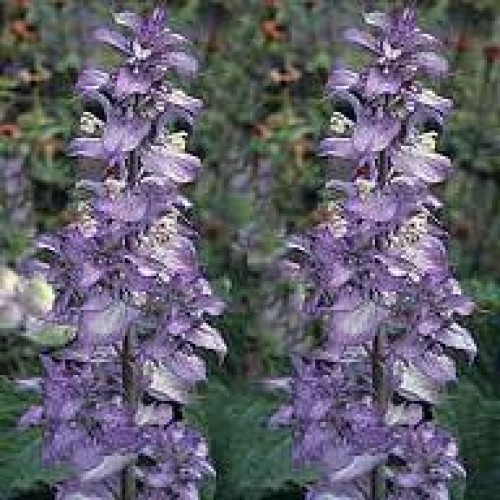
The Clary Sage plant blooms from late spring to late summer. Its inflorescences are large, with numerous, densely packed flowers that are arranged in verticillasters (whorls). The flowers range in color from pale mauve to lilac or white to pink with a pink mark on the edge.
Notably, Clary Sage is grown extensively in the Provence region of France for its essential oil, considered one of the finest and most sought after. This oil is extracted through steam distillation from the plant's flowering tops and foliage and is used widely in aromatherapy and perfumery.
It's important to note that despite the common name similarity, Clary Sage is different from common Sage, Salvia officinalis, which is a different species within the same genus.
